WASHINGTON — Congress has delivered a rare bipartisan rebuke to President Donald Trump over U.S. military involvement in Iran, with both chambers approving war powers resolutions directing the removal of American forces from hostilities absent explicit congressional authorization.
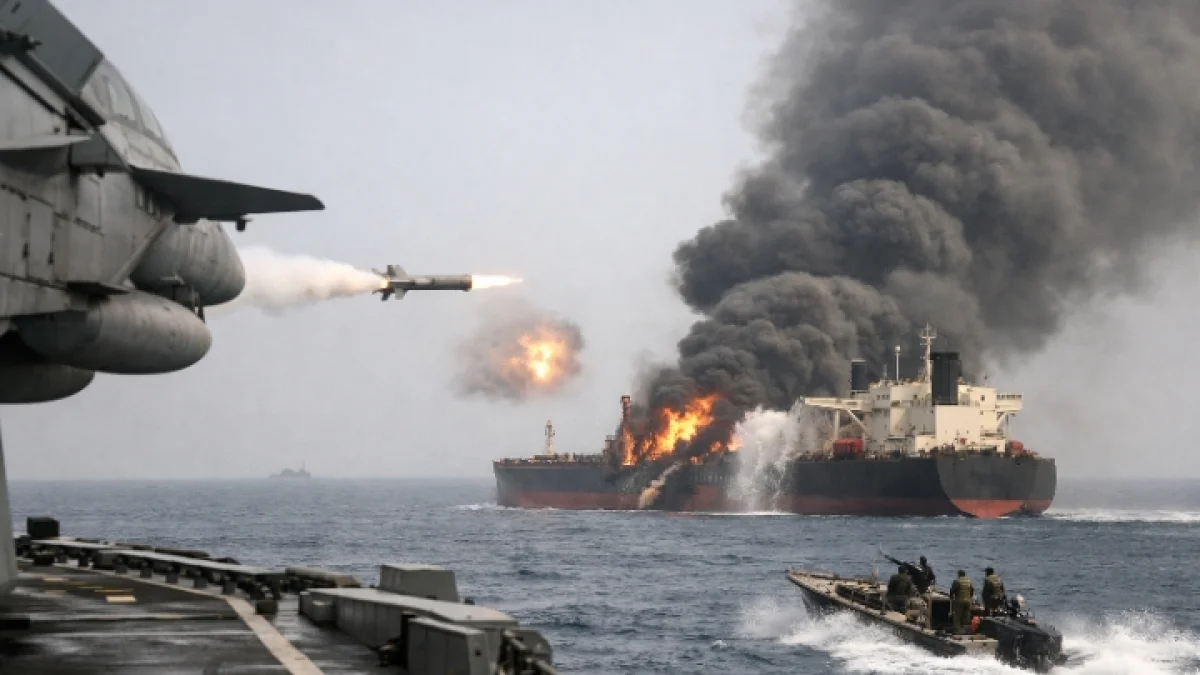
The votes mark the most significant congressional pushback yet against the president's conduct of the conflict, which began in late February 2026 with U.S. and Israeli strikes on Iranian targets. They test long-standing tensions over the division of war powers between the executive and legislative branches under the 1973 War Powers Resolution.
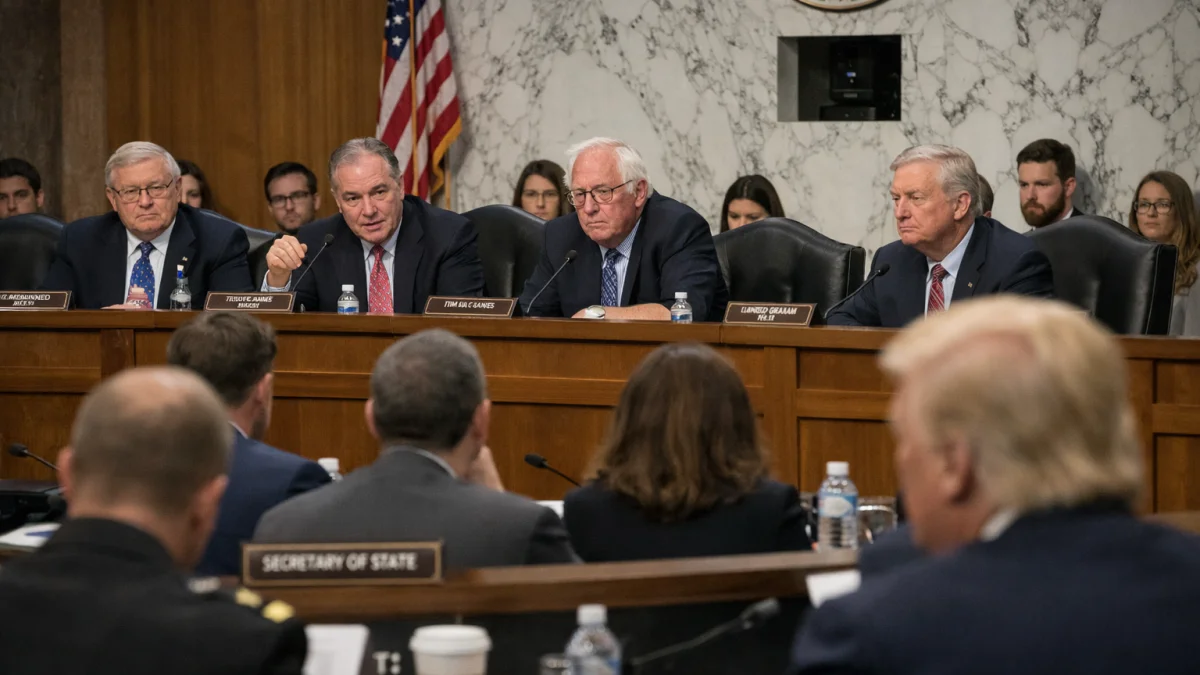
The House passed its resolution on June 3 by a 215-208 vote, with four Republicans joining Democrats. The Senate followed on June 23 with a 50-48 vote, also featuring support from four GOP senators — Susan Collins of Maine, Lisa Murkowski of Alaska, Bill Cassidy of Louisiana, and Rand Paul of Kentucky. The measures direct Trump to halt military action against Iran unless Congress declares war or specifically authorizes the use of force. While concurrent resolutions of this type do not require the president's signature and lack the force of law, they represent a formal expression of congressional will and carry political weight.
The development is significant because it highlights eroding support for the Iran conflict even within the president's own party, more than three months into hostilities that have involved strikes killing Iranian leaders including Supreme Leader Ali Khamenei, infrastructure damage, and the deployment of additional U.S. troops in the region. It underscores ongoing debates about whether presidents can sustain prolonged military engagements without congressional approval, a recurring issue since the War Powers Resolution was enacted over presidential veto in the wake of the Vietnam War.
Trump has criticized the votes as "unpatriotic" and argued they weaken his negotiating position. Republican leaders, including House Speaker Mike Johnson, had previously sought to block or delay the measures, warning they could undermine U.S. leverage. Senate Republicans reversed course the day after the initial passage, defeating a related procedural motion.
The conflict's origins trace to escalating tensions following Trump's return to office. U.S. and Israeli operations targeted Iranian nuclear and military sites, framed by the administration as necessary to counter threats. No formal declaration of war or Authorization for Use of Military Force (AUMF) from Congress preceded the actions, consistent with executive interpretations of Article II powers but at odds with congressional prerogatives under Article I.
Multiple prior attempts to invoke war powers failed in earlier months, but shifting sentiment — driven by the war's costs, duration, and domestic unpopularity — enabled the recent breakthroughs. Public opinion data and congressional statements indicate fatigue with open-ended engagements.
Legally, the resolutions invoke the War Powers Resolution's requirement that presidents notify Congress within 48 hours of introducing forces into hostilities and terminate them within 60 days absent authorization. Successive administrations, including Trump's, have interpreted these provisions narrowly, often citing ongoing threats or existing AUMFs. Courts have generally avoided deep intervention in such disputes, leaving resolution to the political branches.
The bipartisan votes, while narrow and symbolic, signal potential limits on unilateral executive action. They come as the administration pursues diplomatic efforts, including negotiations involving figures like JD Vance, to resolve the conflict. Democrats framed the actions as a constitutional imperative, with Senate Minority Leader Chuck Schumer stating that Congress was reasserting its role as the branch with the power to declare war.
Republicans who supported the measures cited concerns over costs, strategy, and precedent. Opponents within the party emphasized the need for presidential flexibility in national security.
The episode revives historical parallels, including congressional efforts to constrain presidents in Korea, Vietnam, and more recent conflicts in Libya and Syria. In each case, assertions of executive authority met legislative resistance, often resolved through compromise or political pressure rather than outright legal confrontation.
As of late June 2026, U.S. forces remain engaged in the region, with the administration monitoring Iranian responses and diplomatic channels. The resolutions do not compel immediate withdrawal, and Trump is expected to continue operations while pursuing a settlement. Uncertainties persist regarding enforcement mechanisms, potential veto overrides (unlikely given margins), and the conflict's broader regional fallout, including effects on oil markets, alliances, and nuclear proliferation risks. Officials continue to track developments in Tehran and allied capitals.
The congressional action does not end the war but establishes a documented record of legislative dissent, potentially shaping future executive decisions and public debate over American military commitments.