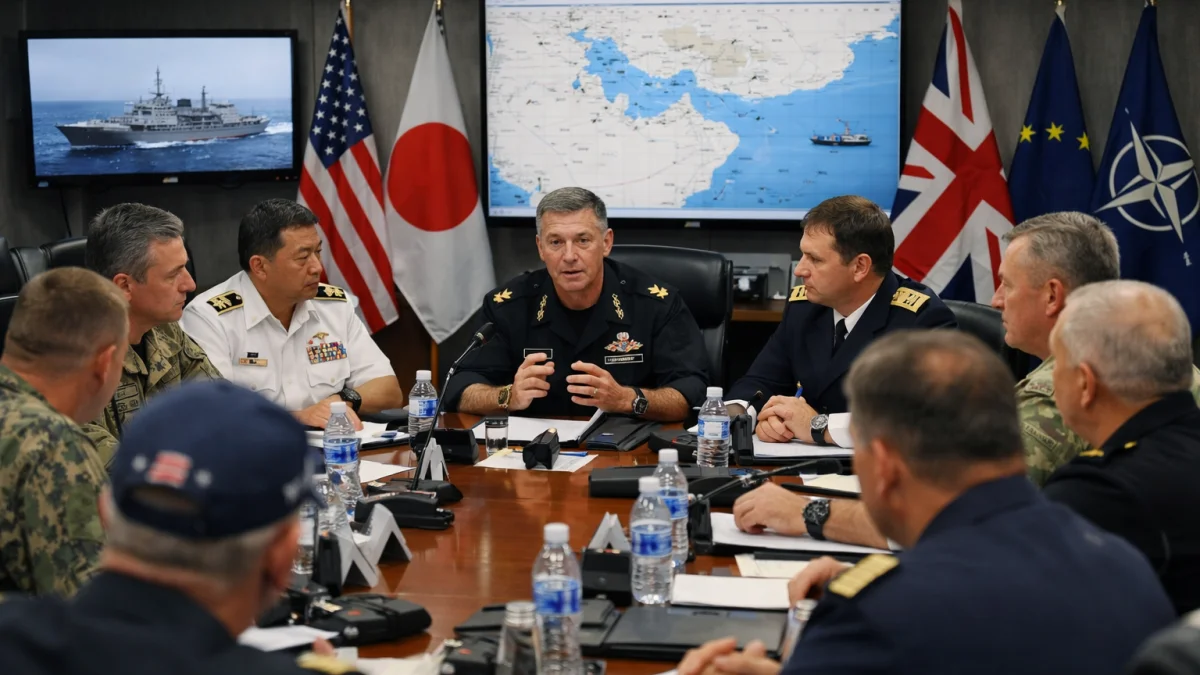
BRUSSELS — Allied governments are consulting on a coordinated response to maritime security challenges following a series of high-level meetings that highlighted concerns over threats to commercial shipping, critical sea lanes and regional deterrence, according to official statements issued in recent days.
European allies and Canada this month pledged to assume greater responsibility for maritime security in the North Atlantic, the Baltic Sea and the Arctic, committing to expand joint training, exercises, maritime command-and-control and investments in surveillance and other capabilities. The governments said the initiative reflected a deteriorating security environment and would strengthen NATO's collective deterrence while remaining closely coordinated with the United States.
The consultations follow the NATO summit in Ankara on July 7-8, where allied leaders reaffirmed their commitment to collective defence and endorsed measures to bolster industrial resilience, defence investment and cooperation against a range of security threats. Maritime security featured prominently in summit discussions alongside broader efforts to improve readiness across the alliance.
NATO also announced new flagship projects with partners in the Gulf under the Istanbul Cooperation Initiative, including cooperation on maritime security, countering unmanned aerial systems and protecting critical infrastructure. Alliance officials said the projects would be implemented in consultation with Bahrain, Kuwait, Qatar and the United Arab Emirates to address evolving regional security challenges.
Separately, leaders participating in the so-called Coalition of the Willing agreed to increase coordination against Russia's "shadow fleet," saying participating states would expand intelligence sharing, coordinate boarding operations conducted in accordance with international law and develop common operational approaches to maritime enforcement.
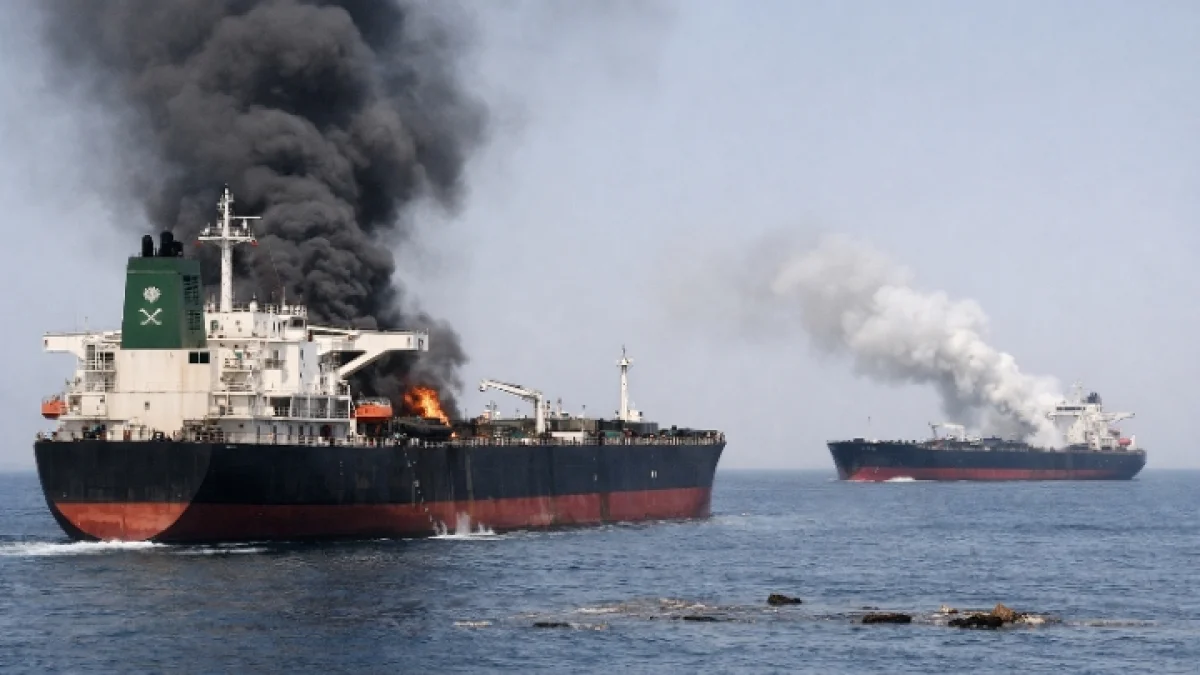
The consultations come amid heightened concern over security in strategic waterways, including the Strait of Hormuz, where allies have discussed options for closer coordination with Gulf partners as tensions have affected commercial shipping. Reuters reported last week that France and Britain proposed a multinational maritime mission aimed at helping safeguard navigation through the waterway, although diplomats cautioned that discussions remained at an early stage.
Officials across the allied group have emphasized that the various initiatives are intended to improve coordination, deterrence and the protection of international maritime routes rather than establish a single new operational command.
No formal announcement has been made on additional joint deployments beyond the commitments already outlined, and allied governments said consultations on implementation and future coordination will continue through existing NATO and partner frameworks.