SINGAPORE — Global financial markets reacted on Sunday to renewed tensions affecting oil shipping through the Strait of Hormuz after fresh security incidents involving commercial vessels heightened concerns over one of the world's most important energy transit routes, prompting investors to monitor potential risks to energy supplies and global trade.
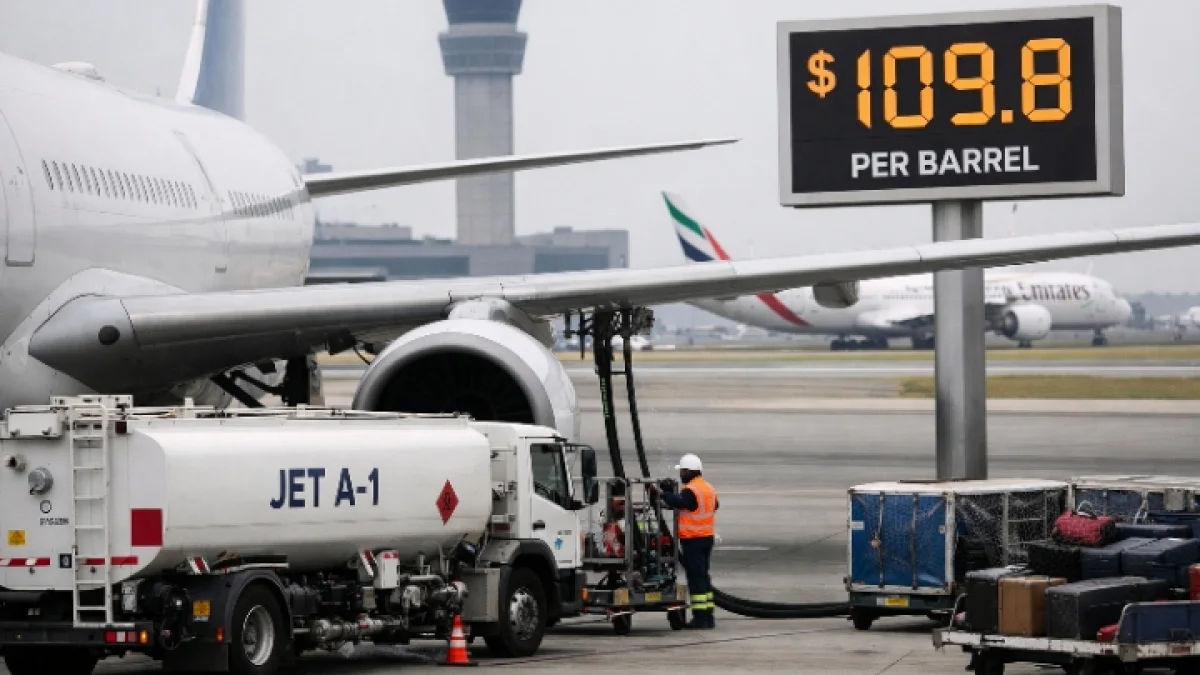
The Strait of Hormuz carries a significant share of globally traded crude oil and refined petroleum products, making any disruption closely watched by energy markets, shipping companies and governments. Recent attacks on commercial vessels and heightened military activity have renewed concerns even as some tanker movements had resumed following an earlier interim agreement intended to restore shipping through the waterway.
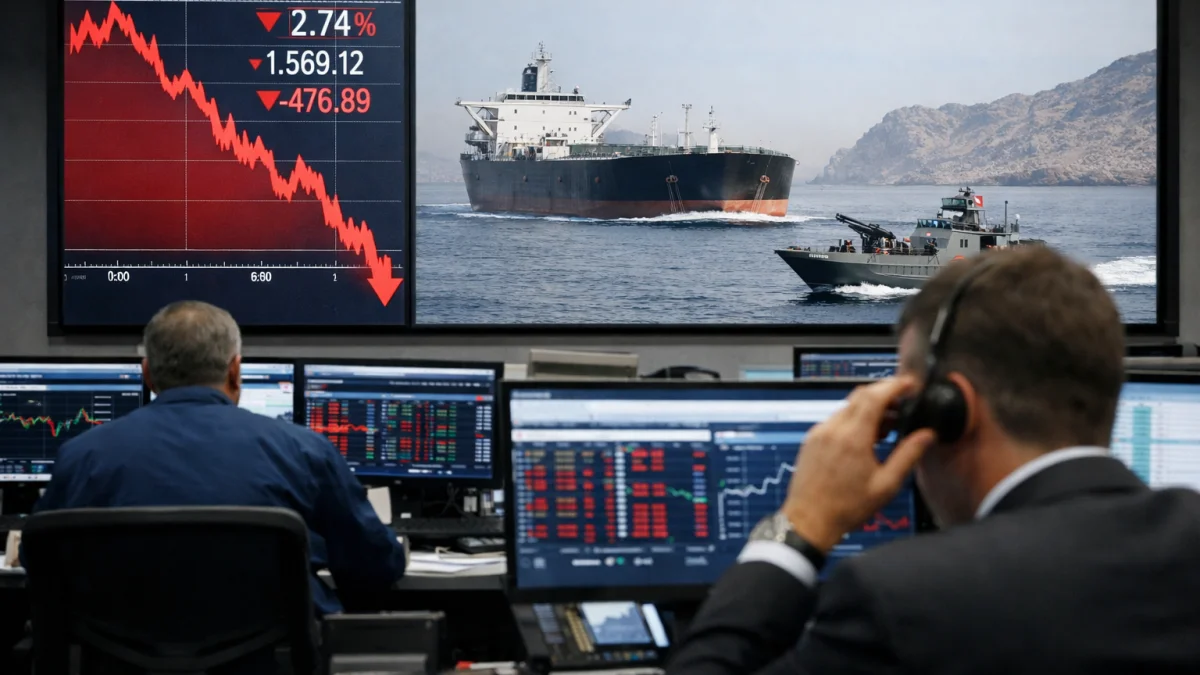
Oil prices had previously retreated as shipments gradually resumed through the strait, but market sentiment shifted after a commercial tanker was struck on Saturday, according to shipping reports and officials. Industry participants said insurers and shipping operators continued to assess operational risks while monitoring security guidance for vessels transiting the Gulf.
The United States said it conducted strikes against Iranian targets following what it described as continued aggression against commercial shipping, while Iranian authorities said they had responded by targeting U.S.-linked military assets in the region. Washington and Tehran have each accused the other of violating an interim peace arrangement announced earlier this month. Independent verification of the competing claims was not immediately available.
Shipping companies have continued to exercise caution despite limited traffic resuming through the strait. Takaya Soga, chief executive of NYK Line, told the Financial Times that shipping restrictions could persist for months because of lingering security threats, including concerns over naval mines, even if diplomatic efforts continue.
Market participants also monitored freight rates and insurance costs, which have remained elevated during the period of heightened tensions. Analysts said movements in oil prices and shipping activity reflected changing assessments of supply risks as cargoes continued to navigate the region under enhanced security measures.
As of Sunday, commercial shipping through the Strait of Hormuz had not returned to normal levels, according to shipping data and industry officials, while governments and maritime authorities continued to issue security guidance for vessels operating in the area. No new agreement altering current shipping arrangements had been officially announced.