ANN ARBOR — U.S. consumer sentiment improved in June but remained near historically weak levels as households continued to express concerns about living costs and the economic effects of the Iran conflict, according to the University of Michigan’s Surveys of Consumers released on June 26.
The University of Michigan’s Consumer Sentiment Index rose to 49.5 in June from 44.8 in May, marking a rebound after three consecutive months of declines. The reading, however, remained below the level recorded before the start of the Iran conflict and nearly 20% lower than a year earlier, the survey’s director Joanne Hsu said.
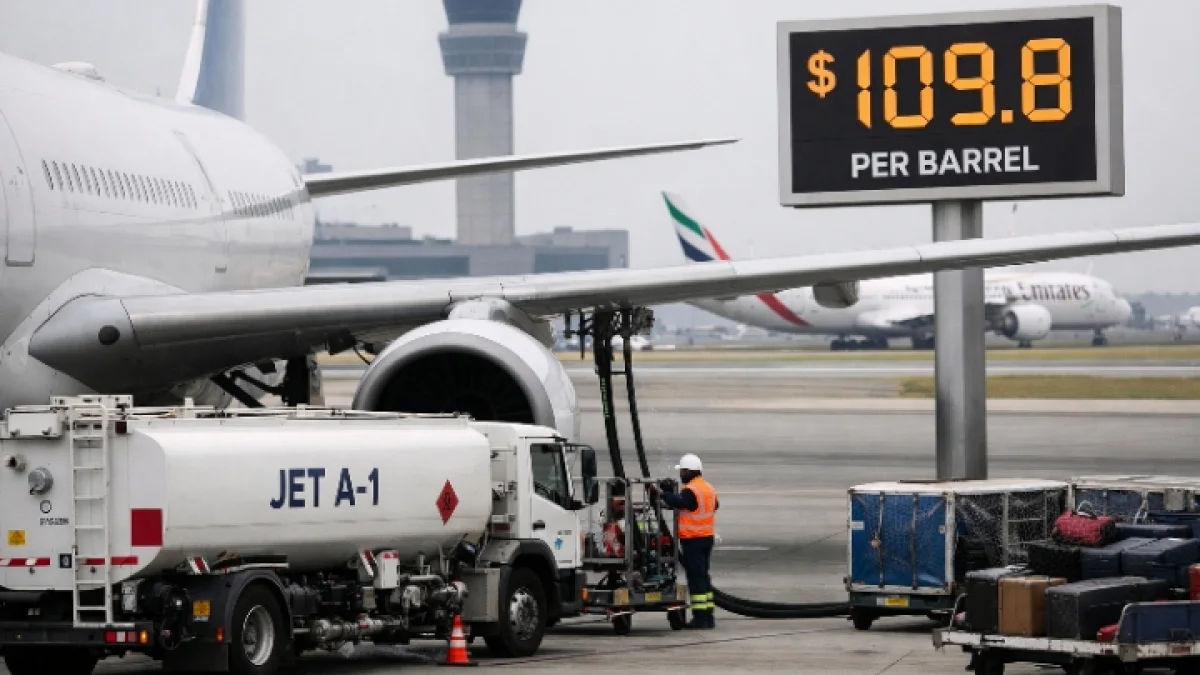
The survey found that consumers reported some relief as gasoline prices moderated, easing concerns linked to energy costs and the conflict’s impact on fuel markets. The Expectations Index, which measures views on future economic conditions, increased to 50.7 from 44.1 in May, while the Current Conditions Index rose to 47.7 from 45.8.
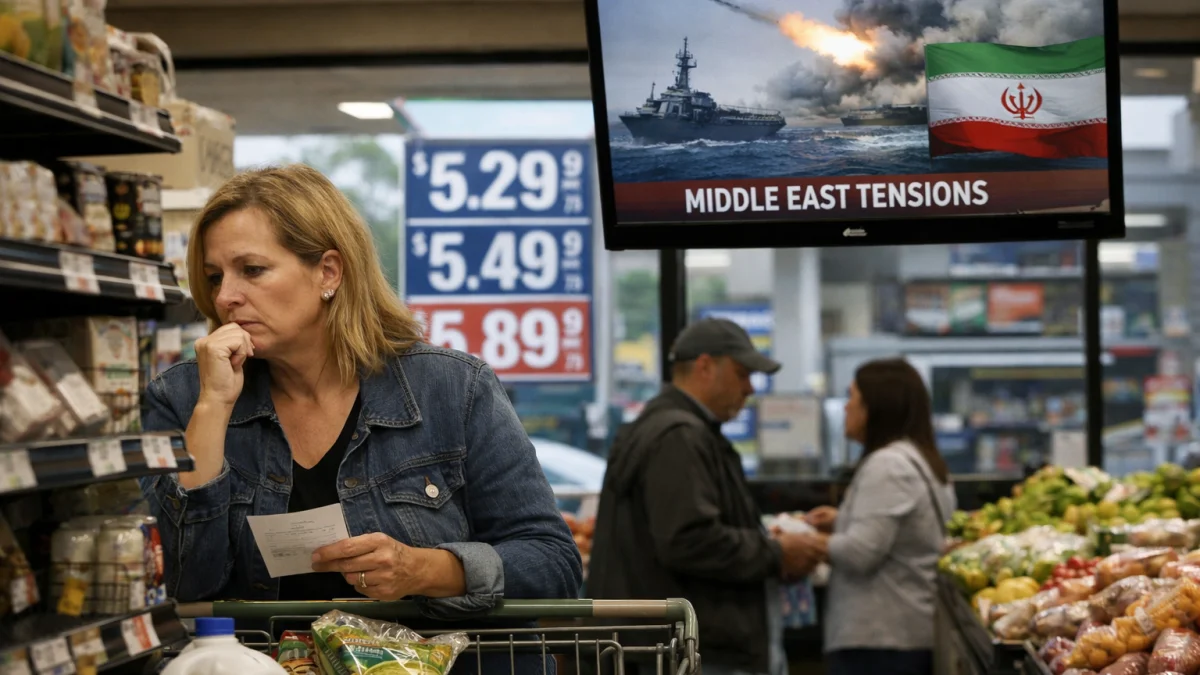
Despite the improvement, inflation remained a central concern for households. The University of Michigan said more than half of consumers continued to mention high prices as a factor affecting their personal finances for the third consecutive month. Year-ahead inflation expectations declined slightly to 4.6% from 4.8% in May but remained elevated compared with levels before the Iran conflict began.
“While consumers certainly welcomed the recent decline in gas prices, the persistence of high prices overall continues to weigh on their budgets,” Hsu said in the survey release. She added that consumers remained concerned about inflation reducing their living standards in the year ahead.
Consumer sentiment deteriorated earlier in 2026 as disruptions linked to the Iran conflict contributed to higher energy prices and increased uncertainty. In May, the index fell to 44.8, with the University of Michigan reporting that sentiment was near a level comparable with previous historic lows. The survey attributed much of the weakness to concerns about prices, energy costs and the conflict’s potential economic impact.
The June survey indicated that some concerns about the longer-term effects of the conflict had eased as energy prices declined. Expected business conditions over the next five years increased, but overall confidence remained below earlier 2026 levels.
Financial markets have also responded to developments surrounding the Iran conflict, with oil prices and investor risk sentiment shifting as reports indicated easing tensions and continued diplomatic engagement.
The University of Michigan is scheduled to release its preliminary July consumer sentiment data on July 17, according to its survey calendar.