For long stretches each day, the search begins with silence.
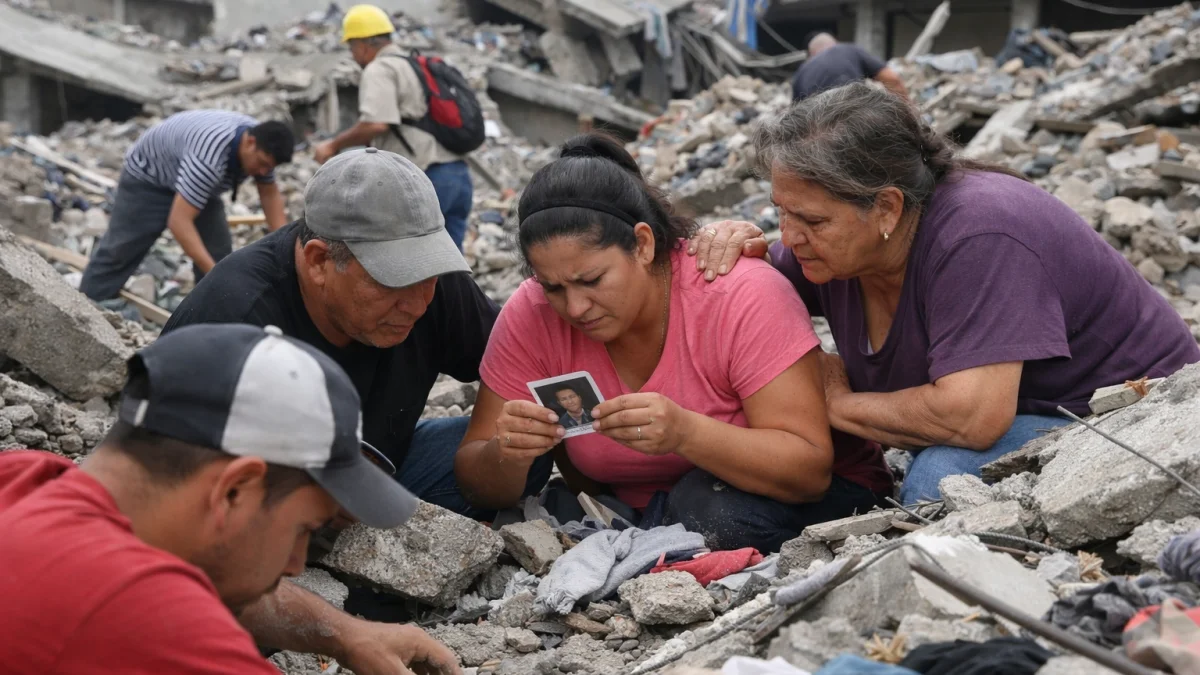
Outside the shattered remains of the Los Cocos public housing complex in Venezuela's La Guaira state, relatives, neighbors and rescue workers pause together, listening for the faintest sound beneath mountains of broken concrete. Cellphones are muted. Machinery stops. Then, when a signal is given, the stillness gives way to shouted instructions, the strike of pickaxes and the slow work of removing debris, even as hopes of finding more survivors diminish.
More than a week after twin earthquakes measuring magnitudes 7.2 and 7.5 struck Venezuela's northern coast on June 24, many families remain suspended between hope and grief. Rescue operations continue, but for thousands of people whose relatives disappeared when apartment blocks, shopping centers and homes collapsed, each passing day has shifted the search from rescue toward recovery.
The disaster has become one of the deadliest natural catastrophes in modern Venezuelan history. Authorities say more than 2,200 people have died, while tens of thousands remain unaccounted for. Entire neighborhoods in La Guaira, Catia La Mar and parts of Caracas suffered extensive destruction, with tens of thousands of buildings damaged or destroyed.
Yet the search continues because rare rescues have demonstrated that survival remains possible even after the conventional window closes.
On Thursday, rescuers pulled 44-year-old security guard Hernán Alberto Gil alive from the collapsed Galerías Playa Grande shopping center after he had spent nearly eight days trapped beneath the rubble. International rescue specialists from several countries worked for days to reach him, tunneling through unstable debris while using tubes to provide water and maintain contact. His rescue offered a brief moment of relief for exhausted emergency crews and waiting families gathered nearby.
Earlier in the week, rescue teams also recovered a father and son alive after four days beneath collapsed structures. A mother and her infant had been rescued the previous day, and a young child was later pulled from the rubble nearly six days after the earthquakes. Each rescue briefly renewed hope among families refusing to leave search sites despite aftershocks, heavy rain and increasingly dangerous conditions.
Those moments, however, have become increasingly rare.
At Los Cocos, Reuters journalists observed rescue workers recovering bodies while relatives watched nearby. The operation alternated between periods of silence intended to detect possible survivors and painstaking excavation. The uncertainty has become part of daily life for families who have spent days waiting for confirmed news about missing parents, children, siblings and neighbors.
Much of the early rescue effort depended not only on professional responders but also on residents themselves.
Before hundreds of international specialists arrived, volunteers, neighbors and relatives dug through collapsed buildings with basic tools, often complaining about shortages of heavy equipment and limited official resources. Teachers, construction workers and local residents joined spontaneous rescue efforts across affected communities, driven by the possibility that someone they knew remained trapped.
As international assistance expanded, more than 1,600 foreign rescuers from dozens of countries joined Venezuelan emergency services. Specialized urban search-and-rescue teams, military units, medical personnel and humanitarian organizations established field hospitals, temporary shelters and logistical support for displaced communities. The World Health Organization and other aid agencies have warned that the humanitarian response now extends beyond rescue operations to include healthcare, sanitation and disease prevention.
The disaster has also exposed broader challenges facing Venezuela.
Relief operations have unfolded against a backdrop of longstanding economic hardship and a healthcare system already under strain. Some residents and volunteers have criticized the pace of the official response and shortages of equipment. Reuters reported allegations that members of security forces looted property in some affected areas, accusations the government has disputed while announcing arrests of several officials linked to theft.
For many families, however, politics remains secondary to the immediate task of finding relatives.
Near collapsed apartment buildings, crowds continue to gather whenever rescuers announce signs that someone might still be alive. Every pause in excavation is met with attentive silence. Every movement of debris is watched closely. Even when recoveries confirm the worst, relatives often remain until victims have been identified and removed with dignity.
The earthquakes also left thousands homeless, forcing many survivors into temporary shelters or makeshift camps while engineers assess damaged buildings. Hundreds of aftershocks have complicated rescue work and delayed decisions about whether structures can be entered safely. Entire communities now face months, if not years, of reconstruction alongside the emotional burden carried by families still waiting for answers.
As the emergency enters its second week, the remarkable rescue of Hernán Alberto Gil stands alongside the quieter reality confronting thousands of other Venezuelan families. For every person brought out alive, many more remain missing beneath collapsed buildings.
Even so, each day in places like Los Cocos begins the same way. Rescue workers ask for silence. Families wait. The machinery stops. For a few moments, everyone listens, hoping that somewhere beneath the concrete, another voice will answer.