LONDON—Universities in several countries have strengthened campus security measures, expanded coordination with law enforcement and reviewed policies governing protests and access to facilities as administrators respond to heightened geopolitical tensions and concerns over student safety.
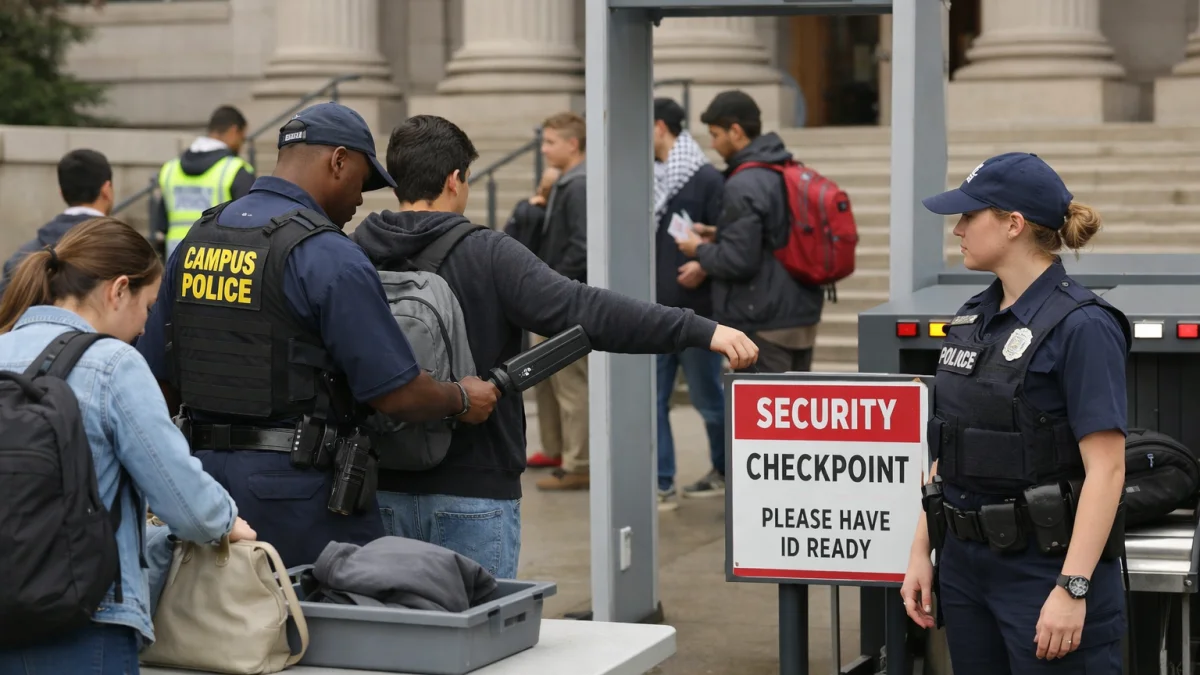
The steps include tighter access controls, additional security patrols, updated guidance for campus events and enhanced emergency planning, according to university statements and government announcements issued in recent months. Officials have emphasized that the measures are intended to protect students and staff while preserving academic activity and lawful expression.
In Britain, the government in March announced additional support for higher education institutions to address extremism, harassment and intimidation on campus. The Department for Education said universities would receive updated guidance on managing external speakers and events, while the Office for Students would strengthen oversight of institutions' compliance with their legal responsibilities to prevent radicalization. Education Secretary Bridget Phillipson said the measures were designed to ensure students and staff "feel safe and supported" while protecting freedom of speech and academic freedom.
Universities elsewhere have also introduced heightened precautions in response to specific security concerns. In the Philippines, City of Malabon University increased security personnel, inspections and monitoring after receiving a threat earlier this year while continuing classes in coordination with police, who said there was no confirmed immediate danger. Earlier this month, authorities declared Silliman University safe after an extensive search found no explosives following an emailed bomb threat.
Some institutions have linked their security reviews to broader international developments. Columbia University said it had expanded public safety patrols, reinforced access procedures for campus residences and provided additional training for frontline personnel following heightened concerns within its community over interactions with law enforcement.
The United Nations Educational, Scientific and Cultural Organization (UNESCO) has also urged that universities remain protected during periods of conflict, stating that higher education institutions should continue to serve as spaces dedicated to knowledge and international cooperation. The agency called on all parties involved in armed conflicts to respect their obligations under international humanitarian law and safeguard educational institutions.
University leaders have generally said there is no single global security standard being adopted. Instead, institutions are tailoring measures to local risk assessments, consultation with public authorities and the specific needs of their campuses.
Administrators and education officials have indicated that security protocols will continue to be reviewed as global developments evolve, with most universities maintaining that academic operations should proceed while monitoring conditions and communicating updates to students and staff as needed.