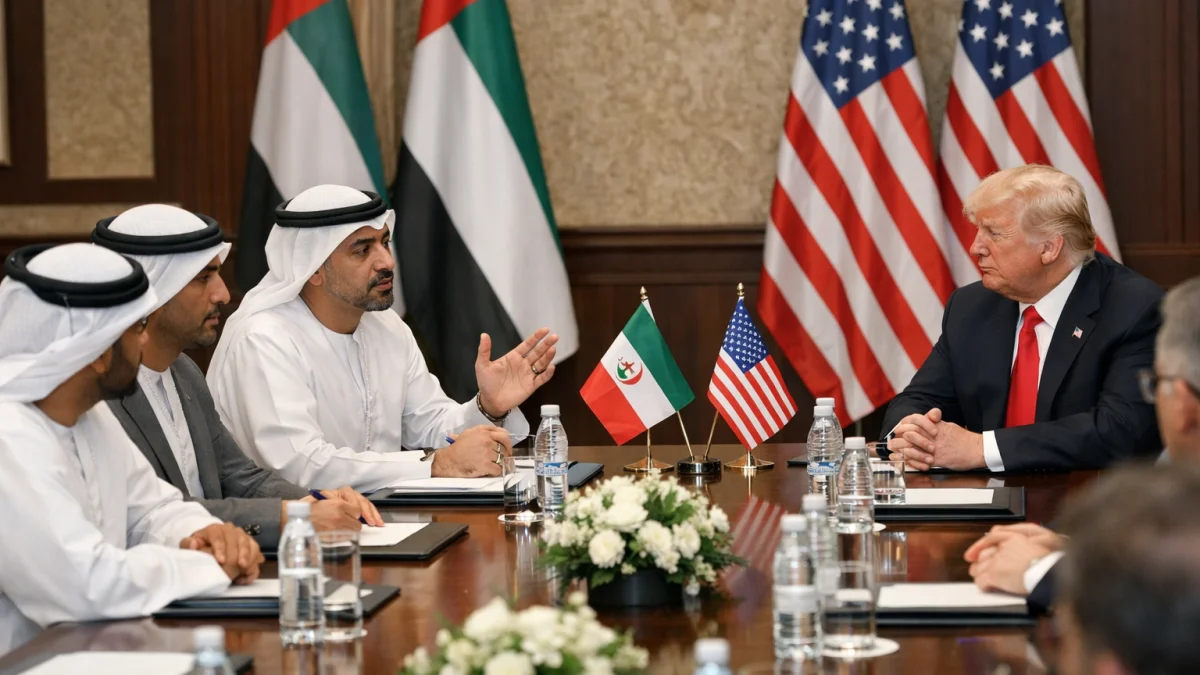
ABU DHABI — UAE officials have privately expressed frustration with aspects of U.S. President Donald Trump's Iran policy in the wake of recent developments in the conflict, according to diplomats and analysts familiar with the discussions.
Senior Emirati figures have conveyed concerns over the handling of the U.S.-Iran agreement and its implications for Gulf security following months of Iranian attacks on the region, sources told Reuters and other outlets. The discontent centers on perceived gaps in addressing Iran's missile capabilities, proxy networks and oversight roles in key waterways, rather than outright public criticism of the Trump administration.
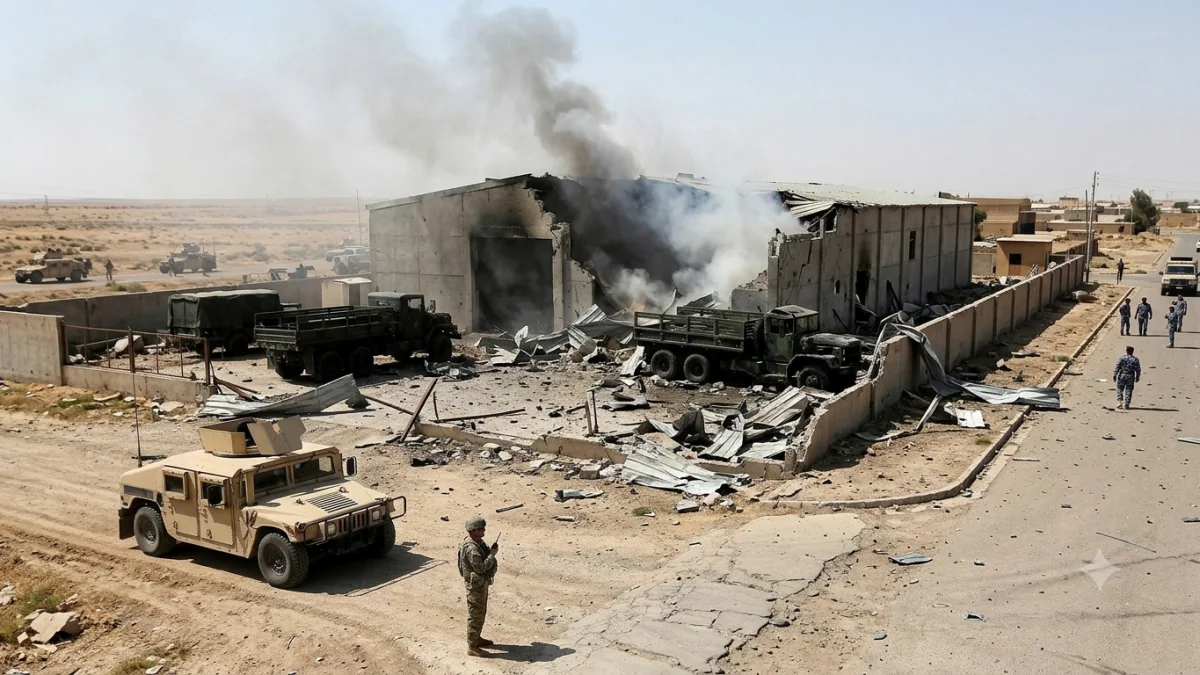
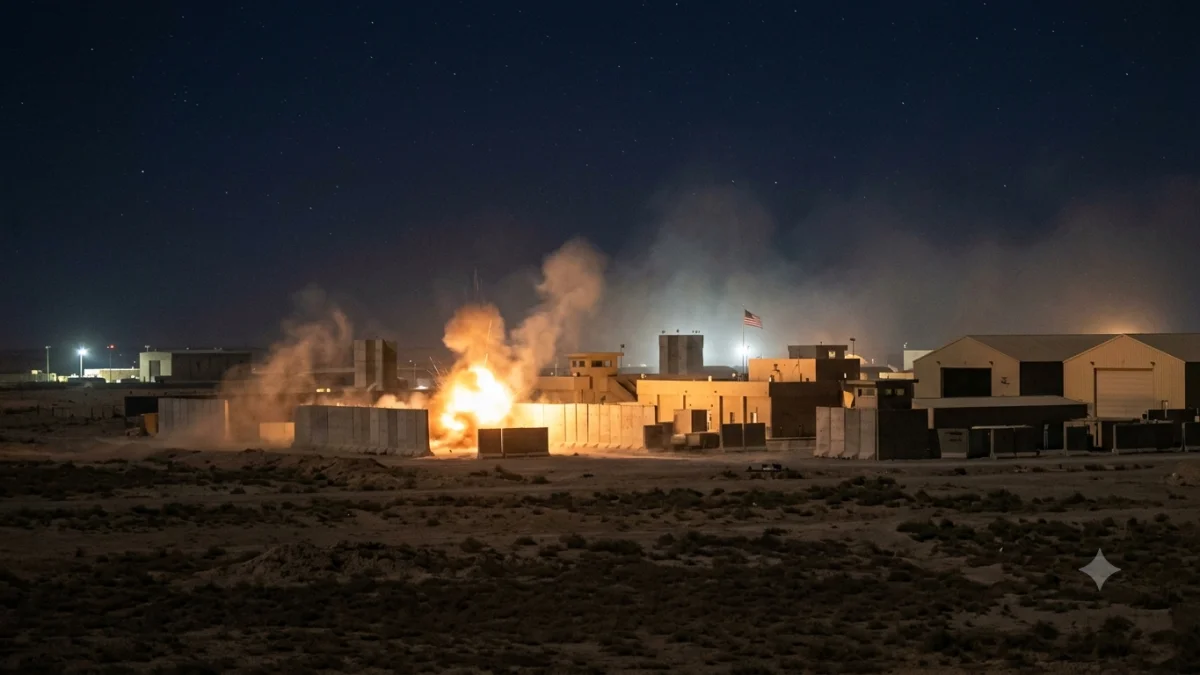
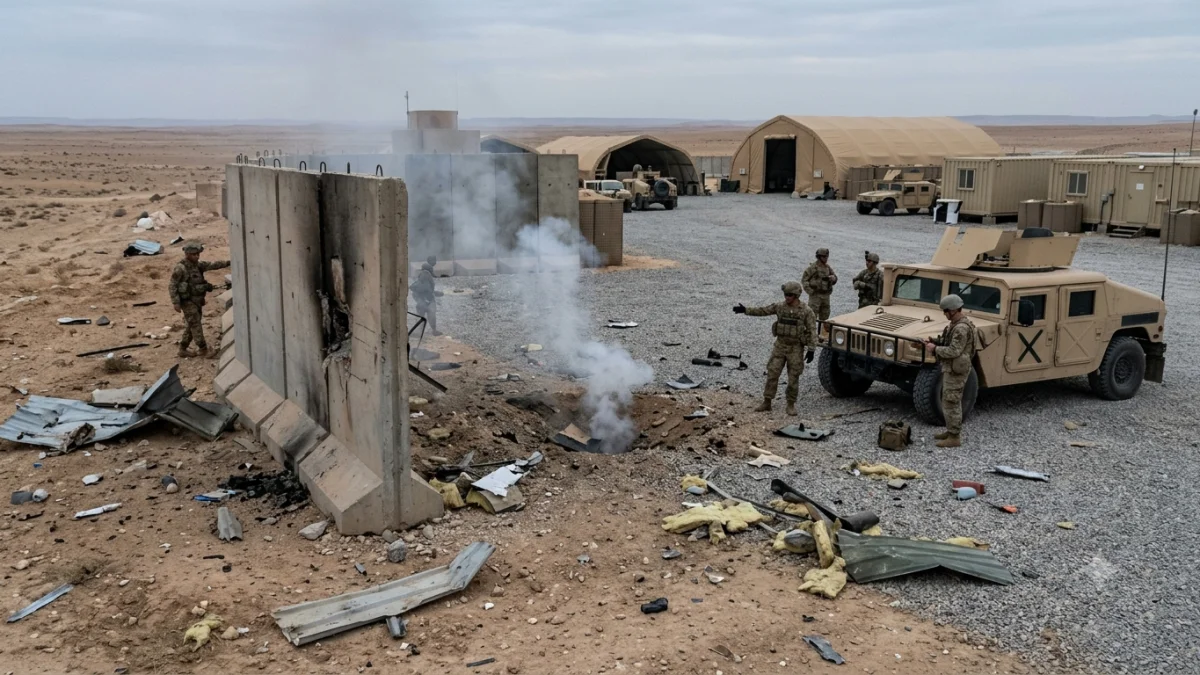
The United Arab Emirates bore a significant portion of Iranian retaliatory strikes during the 2026 conflict, which erupted after U.S. and Israeli actions against Iranian targets. Iranian missile and drone attacks hit UAE territory, including areas near military installations, resulting in reported casualties and damage, though precise figures remain attributed to official statements from involved parties.
UAE officials, who had pushed for a more decisive outcome against Iran's broader threats, have signaled unease with elements of the emerging détente. A senior Gulf diplomat, speaking on condition of anonymity, described the war as highlighting vulnerabilities and raising questions about the adequacy of U.S. responses during the escalation.
"The victim’s role has merged with that of the mediator," UAE diplomat Anwar Gargash posted on social media in May, reflecting broader regional sentiments at the time.
Publicly, the UAE has maintained a pragmatic stance, emphasizing de-escalation while safeguarding its interests. The Foreign Ministry has stressed the need for Iran to comply with international resolutions and address damages from attacks that included ballistic missiles and drones targeting infrastructure.
U.S. Secretary of State Marco Rubio visited Abu Dhabi this week as part of a regional tour to consult Gulf allies on the agreement reached in Switzerland. Rubio stated that discussions would include Iran's missile program and ensure partners' views are considered.
Gulf states, including the UAE, had urged restraint before the conflict intensified and later supported ceasefire efforts to prevent further disruption, even as they sought stronger assurances. The pact reportedly includes provisions for the Strait of Hormuz and a potential reconstruction framework for Iran, elements that have prompted private reservations in Abu Dhabi over long-term security.
Analysts note that the UAE, which deepened ties with the U.S. and Israel during the conflict, continues to prioritize strategic partnerships despite the frustrations. Officials have avoided direct public criticism of Trump, who was previously viewed favorably for his business-oriented approach in the Gulf.
Details of specific policy disagreements remain unclear, with UAE representatives emphasizing stability and economic priorities. The country has pursued diversification, including decisions on energy production frameworks.
As Rubio's consultations continue, both U.S. and UAE sides have reiterated commitment to their bilateral relationship. No immediate changes to security arrangements have been announced.