WASHINGTON — The Trump administration is weighing whether to return to a broader military campaign against Iran as renewed fighting and the collapse of a fragile ceasefire have complicated efforts to secure a negotiated settlement, even as U.S. officials continue indirect diplomatic contacts with Tehran, according to administration statements and officials familiar with the discussions.
President Donald Trump has publicly signaled a tougher stance in recent days, declaring that a U.S.-Iran ceasefire was "over" while also confirming that negotiations would continue through intermediaries. The mixed messaging has underscored the administration's attempt to maintain military pressure without formally abandoning diplomacy.
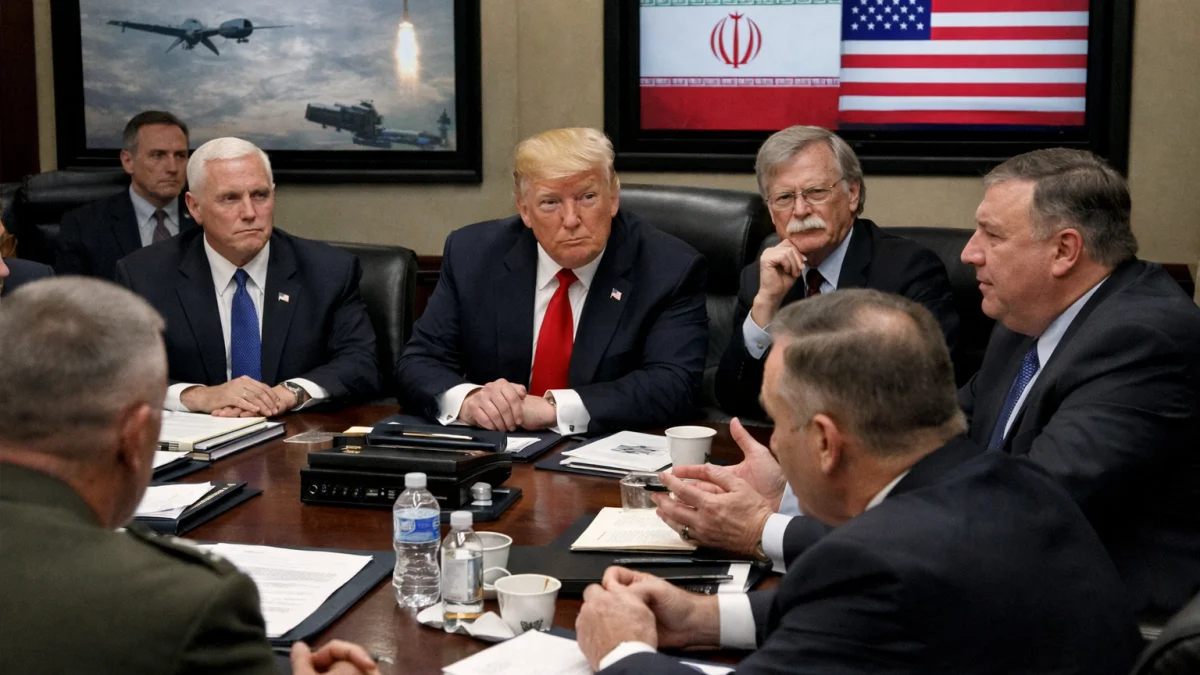
Officials familiar with internal deliberations previously told U.S. media that Trump had held discussions with senior national security advisers, including Defense Secretary Pete Hegseth and Chairman of the Joint Chiefs of Staff Gen. Dan Caine, about the possibility of renewed large-scale strikes against Iranian targets. According to those accounts, the president opted, for the time being, to continue pursuing negotiations rather than authorize an expanded military campaign.
Tensions have intensified following renewed exchanges of military action linked to security in the Strait of Hormuz, one of the world's most important shipping routes for oil exports. The United States has sought a public Iranian commitment to ensure unrestricted commercial navigation through the waterway, while Iranian officials have accused Washington of violating earlier understandings reached during ceasefire negotiations.
In a Truth Social post on Friday, Trump warned that he had instructed the U.S. military to prepare overwhelming retaliation if Iran were to carry out any assassination attempt against him, saying missiles were "locked and loaded" for such a scenario. Iranian authorities have rejected accusations that Tehran is pursuing such a plot.
Iranian Foreign Minister Abbas Araqchi traveled to Oman for discussions involving regional mediators as diplomatic efforts continued despite the latest deterioration in security conditions. Tehran has maintained that it remains committed to negotiations but has accused Washington of failing to honor previous commitments under the interim arrangements.
The renewed tensions follow weeks of intermittent hostilities that disrupted shipping, unsettled energy markets and complicated attempts to convert an earlier memorandum of understanding into a lasting agreement. While both Washington and Tehran remain engaged through intermediaries, neither side has announced a breakthrough, and no new comprehensive agreement had been officially confirmed as of Saturday.