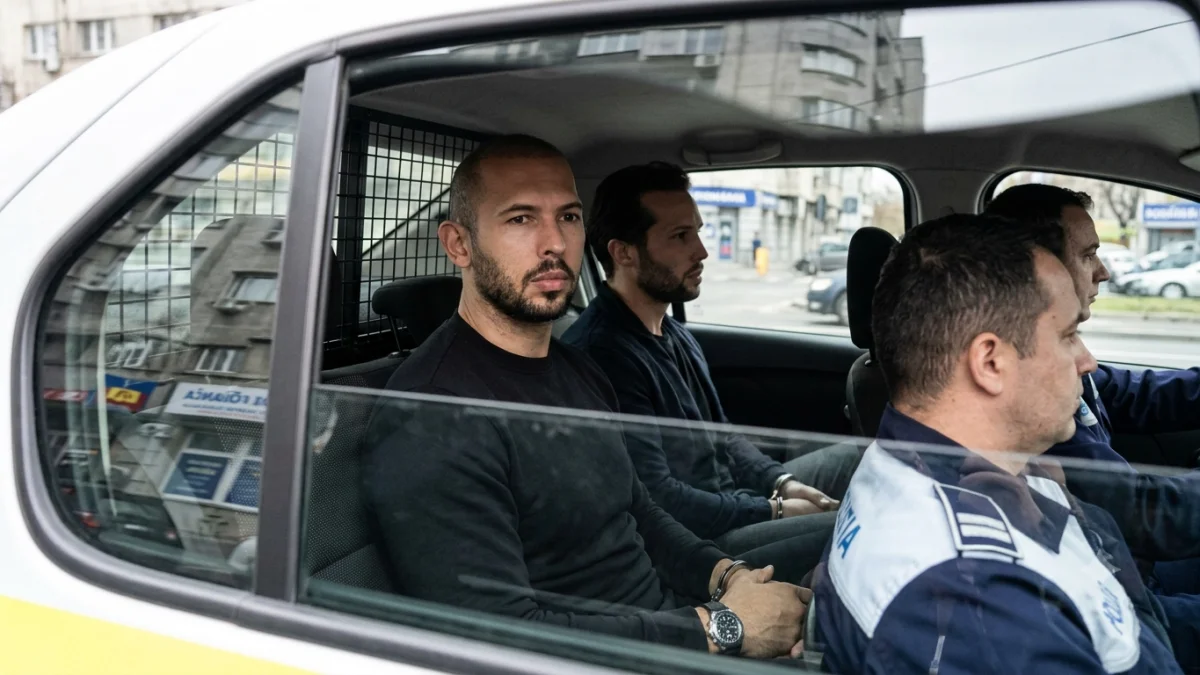
The arrest of Andrew and Tristan Tate in Miami on a U.S. warrant linked to a British extradition request has shifted one of the most closely watched cross-border criminal cases into a new legal phase, testing how multiple jurisdictions coordinate prosecutions involving serious criminal allegations, competing legal claims and international extradition obligations.
The development matters because it moves the case beyond investigations and procedural disputes toward questions over where and when the brothers should face trial. British authorities are seeking their extradition over allegations including rape, human trafficking for sexual exploitation and other offences dating from 2010 to 2017. The brothers deny all allegations. Their appearance before a U.S. federal court is expected to begin a process governed not by the merits of the criminal accusations themselves but by the legal requirements of the extradition treaty between the United States and the United Kingdom and applicable U.S. law.
The case illustrates the growing complexity of transnational criminal proceedings in an era when suspects, alleged victims, evidence and financial activities frequently span multiple countries. Prosecutors in Britain, Romania and the United States have all become involved in different aspects of the Tate brothers' legal affairs over recent years, creating overlapping legal timelines that require coordination between judicial authorities rather than simultaneous criminal trials in every jurisdiction.
Unlike a criminal trial, extradition proceedings generally focus on procedural and treaty requirements. U.S. courts typically examine whether a valid extradition request exists, whether the alleged offences are covered by treaty, whether sufficient legal standards have been met and whether statutory protections apply. They do not ordinarily determine guilt or innocence regarding the underlying criminal allegations, which remain matters for the requesting country's courts if extradition is ultimately approved.
The proceedings also highlight the balance that democratic legal systems attempt to maintain between international law enforcement cooperation and defendants' procedural rights. British prosecutors have emphasized the seriousness of the charges, while lawyers representing the Tate brothers have consistently argued that the allegations are unfounded and that their clients have been subjected to unfair legal treatment. Those competing positions are likely to remain central throughout any extradition litigation.
The latest arrest follows months of legal activity in Britain. In June, England's High Court rejected the brothers' challenge to the Crown Prosecution Service's decision not to disclose the identities of certain complainants before extradition. The court concluded prosecutors had acted lawfully in withholding the information at that stage of the proceedings, while making clear that the ruling addressed procedural issues rather than the substance of the criminal allegations.
That earlier litigation underscores another important aspect of cross-border prosecutions: procedural disputes often become as consequential as the underlying criminal allegations. Questions surrounding disclosure, witness protection, access to evidence and jurisdiction frequently shape the pace of international cases, particularly when defendants reside outside the requesting country.
The case also demonstrates how international criminal investigations increasingly depend on sustained cooperation between police forces, prosecutors and courts. Mutual legal assistance, extradition treaties and coordinated investigative work have become essential tools in cases involving alleged trafficking, financial crimes and organized criminal activity that extend beyond national borders. Legal specialists have long noted that such cooperation can improve accountability while also increasing procedural complexity and extending litigation timelines.
Public attention has added another layer of complexity. Andrew Tate's large online following and the brothers' prominence on social media have ensured that court proceedings receive unusually intense scrutiny. Judges in several jurisdictions have therefore been required to consider issues involving publicity, witness protection and fair trial rights alongside more traditional procedural questions.
The case also illustrates the distinction between criminal investigations occurring in separate jurisdictions. Proceedings in one country do not automatically invalidate or replace those in another. Instead, governments generally determine sequencing through diplomatic agreements, prosecutorial coordination and judicial decisions. Earlier reporting indicated that Romanian and British authorities had previously coordinated aspects of their respective proceedings, demonstrating the practical challenges of managing concurrent investigations involving the same defendants.
For prosecutors, the Miami arrest represents progress in securing the defendants' presence before a court after years of legal maneuvering across multiple countries. For the defense, the extradition process provides another opportunity to challenge the legal basis for transfer and to argue that procedural safeguards have not been fully satisfied. Neither outcome determines the eventual resolution of the criminal allegations themselves.
The confirmed position remains that Andrew and Tristan Tate have been arrested in the United States following a British extradition request and are expected to appear before a federal court. British authorities continue to seek their transfer to face criminal charges, while the brothers continue to deny all allegations. Authorities are now monitoring the U.S. extradition proceedings, any related judicial rulings and the interaction between those proceedings and other ongoing legal matters involving the brothers in multiple jurisdictions.