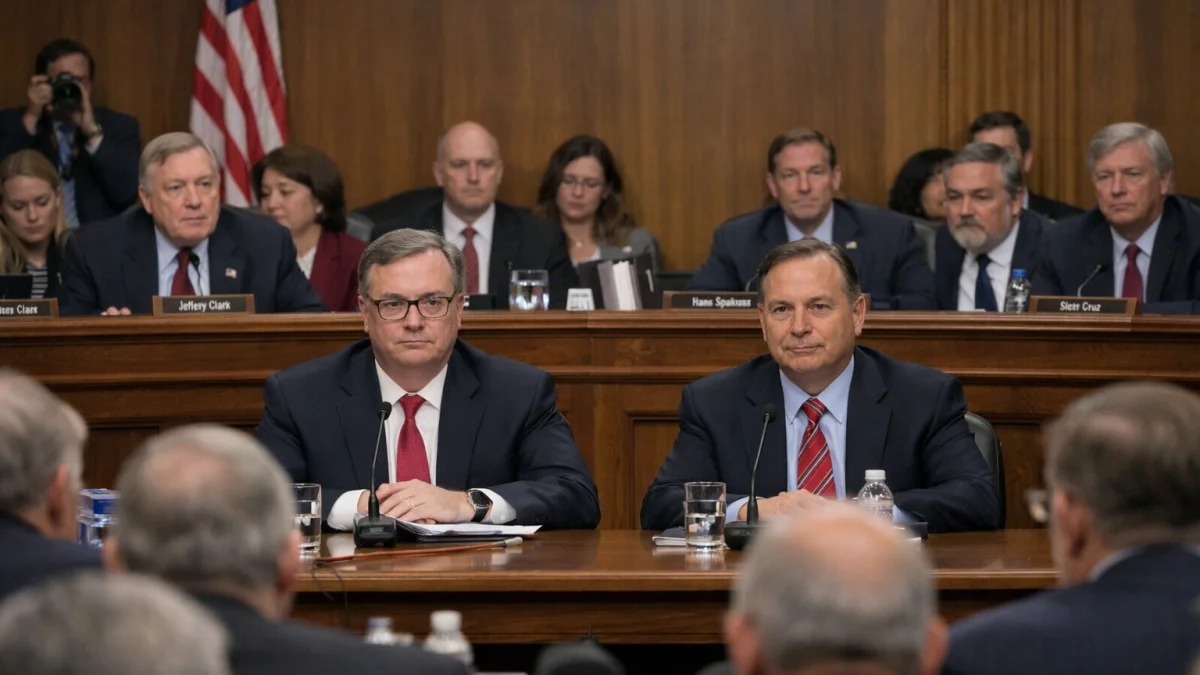
Confirmation hearings for several of President Donald Trump's nominees have become a focal point for broader questions about the independence of federal institutions, the administration of elections, and the scope of executive authority. While each nomination concerns a different office, senators from both parties have increasingly used the confirmation process to examine whether senior officials would preserve the autonomy of agencies and adhere to established legal and constitutional constraints.
The hearings matter beyond the fate of individual nominees. They provide one of the Senate's principal constitutional opportunities to evaluate how the executive branch intends to exercise authority during Trump's second term, particularly after a series of administration initiatives that have expanded presidential influence over executive agencies and generated legal challenges. As a result, questioning has extended well beyond professional qualifications to include commitments on prosecutorial independence, election administration, ethics, and institutional safeguards.
Particular attention has centered on Todd Blanche, Trump's nominee for attorney general and the current acting attorney general. Blanche entered Senate Judiciary Committee hearings facing scrutiny over his previous role as Trump's personal attorney, his handling of Justice Department matters while serving in senior leadership, and concerns raised by Democrats, former prosecutors, and advocacy groups regarding potential conflicts of interest. Republicans, meanwhile, have argued that Blanche possesses substantial legal experience and have expressed confidence that he will secure confirmation despite the controversy.
The hearings have highlighted a recurring constitutional question: whether the Justice Department should maintain operational independence from the White House even though the attorney general serves at the president's pleasure. Democratic senators have sought commitments that prosecutorial decisions would be guided by evidence and law rather than political considerations. Republicans have countered that presidential elections confer authority to implement policy priorities through executive appointments while emphasizing that Senate confirmation remains an important accountability mechanism.
Election administration has emerged as another prominent line of inquiry. The administration's broader efforts to reshape aspects of federal election oversight have intensified debate over the relationship between federal and state authority in administering elections. Recent disputes involving election agencies, voter registration policies, and voting-system guidance have heightened congressional attention to whether executive agencies can remain independent while carrying out responsibilities established by statute. Several of those initiatives are also being examined through ongoing litigation, underscoring that many legal questions remain unresolved.
These issues extend beyond election policy itself. Independent agencies were historically designed to reduce direct political influence over specialized regulatory and oversight functions. Legal scholars note that while presidents possess broad appointment authority, Congress has frequently structured certain agencies with statutory protections intended to promote impartial administration. Recent executive actions affecting independent agencies have therefore renewed debate over the constitutional balance between presidential control and congressional design, with courts expected to continue defining the boundaries of executive authority.
The confirmation hearings also illustrate the Senate's institutional role during periods of divided public opinion. Even when the president's party holds a Senate majority, confirmation proceedings remain one of the few public forums where nominees testify under oath, answer questions about future conduct, and create an official record that may later be referenced during congressional oversight or judicial proceedings. For nominees expected to oversee law enforcement, elections, or regulatory agencies, senators have placed particular emphasis on prior statements, ethical obligations, and willingness to follow established legal standards rather than political preferences.
Historical experience suggests that disputes over executive independence are not unique to any single administration. Previous confirmation hearings for attorneys general, inspectors general, election officials, and leaders of independent agencies have similarly focused on recusal standards, investigative independence, and the separation between political direction and statutory responsibilities. What distinguishes the current hearings is their intersection with ongoing legal disputes involving presidential authority, election administration, and the evolving role of federal agencies following significant judicial decisions affecting executive power.
Supporters of the administration argue that voters elected Trump to reshape federal institutions and that his nominees should be evaluated primarily on competence and their ability to implement lawful policy objectives. Critics contend that appointments to positions overseeing criminal investigations, elections, or regulatory enforcement require demonstrable independence because those offices exercise powers intended to operate free from partisan influence. The confirmation process has therefore become a venue for competing constitutional interpretations rather than solely an assessment of professional qualifications.
As hearings continue, the immediate question is whether nominees can persuade enough senators that they will faithfully execute their statutory responsibilities while serving within a politically charged administration. Confirmation votes will determine leadership across key federal institutions, but the broader legal and constitutional debates surrounding agency independence, election oversight, and executive authority are likely to continue in Congress and the courts. For now, lawmakers are monitoring nominees' testimony, committee deliberations, and any additional commitments placed on the official record before final Senate consideration.