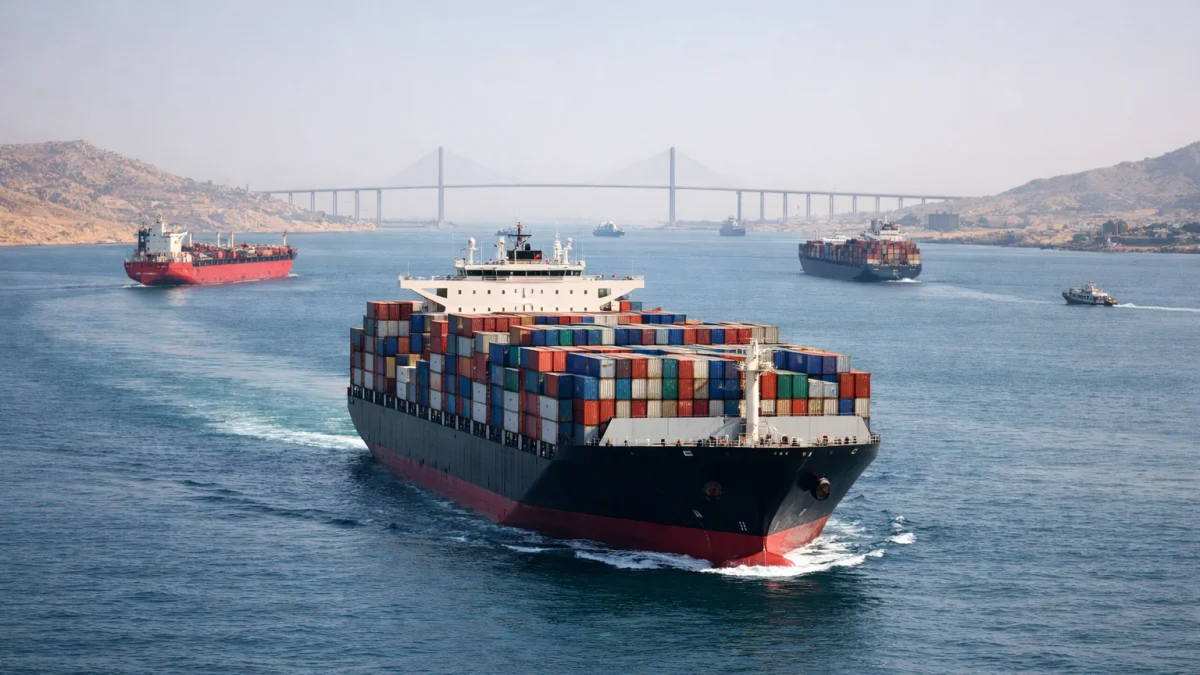
LONDON — Commercial vessels have begun resuming transit through the Strait of Hormuz, one of the world's most important maritime routes, following recent conflict-related disruptions that had severely curtailed shipping activity in the region, maritime authorities and shipping companies said on Thursday.
The renewed movement comes after diplomatic efforts and ceasefire arrangements involving the parties to the recent conflict enabled limited reopening measures for the waterway, which connects the Persian Gulf with global markets. Maritime officials said ships that had been stranded for weeks or months have started making carefully coordinated passages through the strait under enhanced security procedures.
The International Maritime Organization (IMO) said this week that vessels had begun sailing through the corridor under a framework designed to facilitate the movement of ships and crews affected by the conflict. According to the agency, the program was established in coordination with regional authorities and shipping operators to support safe transit through the area.
Shipping companies have also reported progress. Danish shipping group Maersk said on Thursday that two of its vessels had exited the Gulf through the Strait of Hormuz after undergoing extensive security assessments and coordination with maritime security partners.
"We continue to monitor the situation closely and conduct comprehensive risk assessments before any transit," the company said in a statement.
The Strait of Hormuz is a critical chokepoint for global energy supplies and international trade. Before the latest disruptions, the route carried a substantial share of the world's seaborne oil exports. The recent escalation led many shipowners to suspend or limit operations, while numerous vessels remained anchored awaiting security assurances.
Despite the resumption of some voyages, industry groups and shipping executives have cautioned that traffic has not yet returned to normal levels. Several operators have said confidence in the route will depend on sustained stability, continued demining efforts, and clear guarantees for commercial shipping.
Regional governments have also introduced temporary navigation measures to guide vessels through designated transit corridors. Officials in Oman said this week that temporary routes had been established to assist commercial traffic while broader maritime recovery efforts continue.
U.S. Energy Secretary Chris Wright said on Tuesday that oil flows through the Strait of Hormuz had returned to near-normal levels, although maritime authorities noted that some restrictions and safety measures remain in place.
As of Thursday, ships were continuing to move through the waterway under heightened monitoring, while maritime agencies and shipping companies maintained that conditions remain under review and that further operational decisions will depend on security developments in the region.