WASHINGTON — The U.S. Senate on Wednesday continued advancing President Donald Trump's administration by confirming several key nominees to senior government and judicial positions, extending a steady pace of approvals as Republicans used their Senate majority to fill vacancies across the executive branch and federal courts.
Among the latest confirmations, the Senate approved Matthew Schwartz, a former personal attorney to Trump, to serve on the 2nd U.S. Circuit Court of Appeals in a 50-45 vote. Schwartz became the third attorney who has personally represented Trump to win confirmation to a federal appeals court during the president's second term. During his confirmation process, Schwartz told lawmakers he would apply the law impartially and recuse himself from cases involving Trump when appropriate.
The Senate also has continued processing additional judicial nominees, including Arthur Roberts Jones for the U.S. District Court for the Southern District of Texas, following committee consideration and procedural votes, according to Senate records.
Republican leaders have argued that confirming nominees promptly is essential to staffing the federal government and judiciary. Senate Republicans have highlighted the pace of confirmations during the current Congress, saying the chamber has approved dozens of Article III judges and hundreds of civilian nominees since Trump returned to office.
Democratic senators have opposed several nominees, arguing that some selections place political loyalty above qualifications or judicial independence. During debate over Schwartz's nomination, Democrats criticized Trump's continued appointment of former personal lawyers to lifetime judicial positions, while Republicans defended the nominee's legal credentials and experience in private practice and federal appellate litigation.
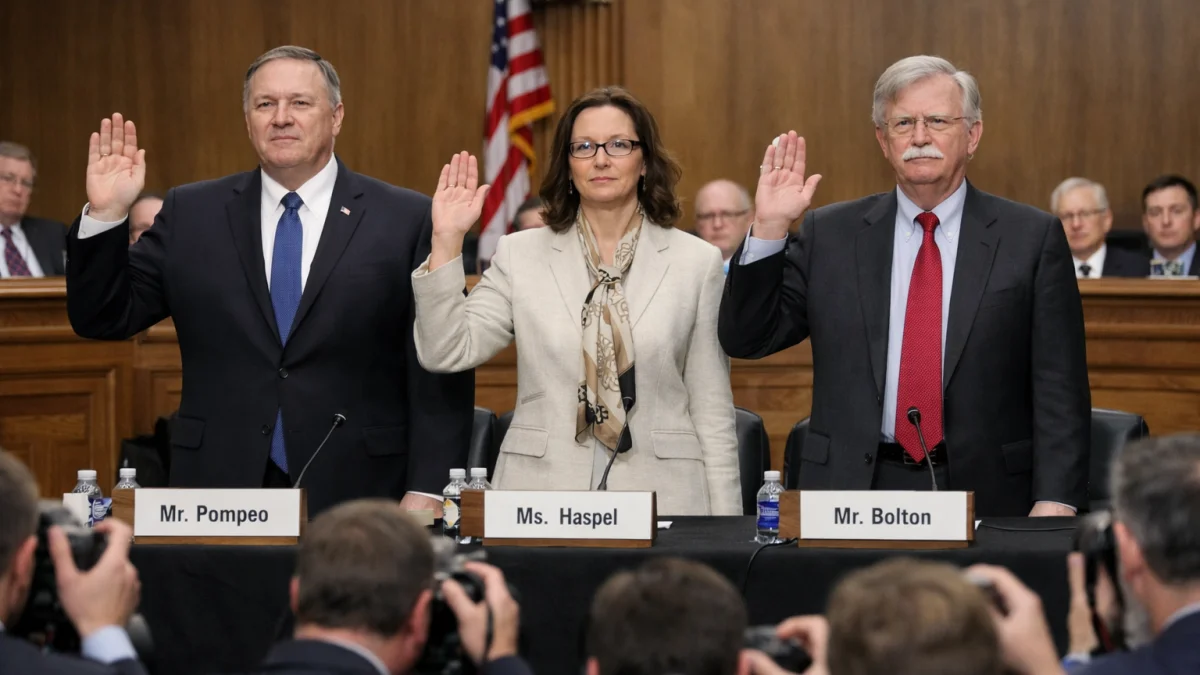
The Senate's confirmation agenda remains active beyond the judiciary. On Wednesday, the Senate Intelligence Committee held a long-delayed confirmation hearing for Jay Clayton, Trump's nominee to serve as director of national intelligence. Lawmakers questioned Clayton over his handling of subpoenas issued to journalists while serving as U.S. attorney in Manhattan, as well as broader concerns about the independence of the intelligence community. Clayton's nomination has not yet received a final Senate confirmation vote.
The White House has continued urging the Senate to confirm nominees across executive agencies, while lawmakers from both parties are expected to consider additional nominations in the coming days as committees and the full Senate work through the remaining confirmation calendar.