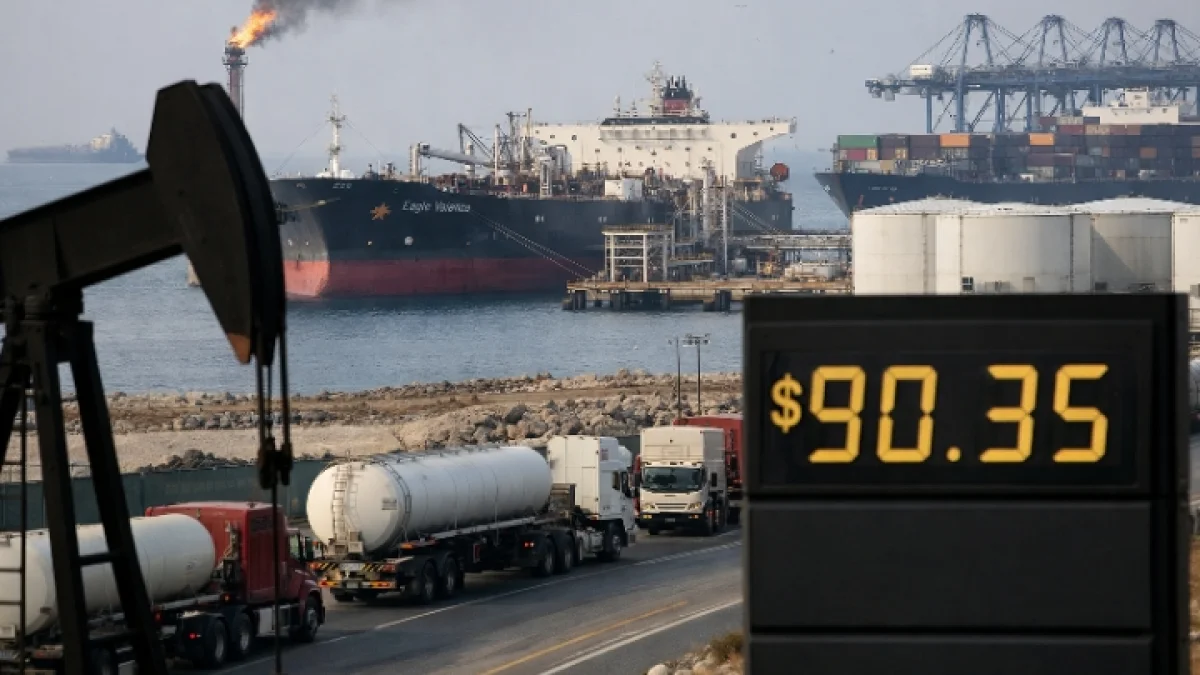
Oil prices climbed above $90 a barrel on July 20 after renewed military strikes and attacks on commercial shipping in and around the Gulf intensified concerns over energy supplies, pushing Brent crude to its highest level in more than a month and reversing expectations that markets were moving toward greater stability. The latest gains reflect a renewed geopolitical risk premium as traders reassess the security of one of the world's most important oil transit corridors.
The move is significant not only because of the price level itself but because it tests assumptions that global supply chains had become more resilient after earlier disruptions in 2026. Oil prices influence transportation, manufacturing, aviation, chemicals and agriculture, meaning sustained increases can spread through the global economy by raising freight costs, production expenses and consumer prices. While physical shortages have not been broadly confirmed, the market is responding to heightened uncertainty over future supply rather than current consumption alone.
The immediate concern centers on the Strait of Hormuz, through which a substantial share of globally traded crude oil and petroleum products normally passes. Reports of attacks on tankers and reduced commercial shipping activity have increased insurance costs, lengthened voyage planning and encouraged some operators to delay or reroute shipments. Even when oil continues to flow, additional transport costs and logistical uncertainty can tighten effective supply and support higher prices.
The latest rally also illustrates how energy markets react to geopolitical risk before measurable shortages emerge. Oil futures incorporate expectations about future availability, making prices sensitive to military developments, shipping disruptions and official security assessments. Analysts cited by Reuters and other market observers say repeated attacks on vessels transiting the Gulf have contributed to reduced tanker movements, reinforcing expectations that supply could tighten if hostilities continue.
For global supply chains, higher crude prices come after several years of businesses attempting to diversify sourcing, increase inventories and improve resilience following the COVID-19 pandemic and earlier geopolitical disruptions. Those adjustments have reduced some vulnerabilities, but energy remains a fundamental input across nearly every industrial sector. Rising fuel prices increase shipping rates for container lines, trucking fleets and airlines, potentially raising costs for manufacturers and retailers even where direct energy supplies remain uninterrupted.
Inflation is another closely watched implication. Many central banks have spent recent years attempting to bring inflation closer to policy targets following earlier price shocks. A sustained increase in oil prices could complicate that process by lifting gasoline, diesel and transport costs while feeding into broader consumer prices. Economists generally distinguish between temporary energy spikes and longer-lasting supply disruptions, making the duration of the current market tension an important variable for monetary policymakers.
The International Energy Agency's July market assessment suggested that global oil demand is recovering while supply remains dependent on improvements in Gulf exports and refinery operations. The agency also noted that renewed hostilities could alter expectations for future market balances after earlier projections pointed toward improving supply conditions.
At the same time, several factors may limit the scale of any sustained rally. Governments retain strategic petroleum reserves that can be released during severe disruptions, while some producers outside the conflict zone have capacity to increase exports if market conditions warrant. OPEC+ has also reaffirmed its commitment to market stability and announced production adjustments that remain subject to evolving conditions, indicating that supply policy could respond if disruptions persist.
Market participants are also weighing whether current price movements reflect temporary risk premiums or the beginning of a longer period of constrained supply. Previous episodes of geopolitical tension have often produced sharp price increases that eased once shipping conditions improved or diplomatic efforts reduced immediate risks. Conversely, prolonged disruptions to critical maritime routes have historically generated wider economic effects through freight costs, insurance premiums and industrial input prices.
Businesses with complex international supply chains are therefore monitoring not only crude prices but also shipping availability, refinery operations, marine insurance rates and delivery schedules. Energy-intensive industries such as chemicals, aviation, heavy manufacturing and logistics remain particularly exposed, while import-dependent economies in Asia and Europe are likely to remain sensitive to developments affecting Gulf energy exports.
For now, the confirmed picture is that renewed Gulf hostilities have lifted Brent crude above $90 a barrel and renewed concerns over the security of energy shipments through the Strait of Hormuz. Officials, energy agencies and financial markets are closely monitoring military developments, commercial shipping activity, oil production levels and policy responses from producing countries to determine whether current disruptions remain temporary or evolve into a more sustained challenge for global energy markets and supply chains.