JERUSALEM — Israel’s decision to formally recognize the mass killings of Armenians by the Ottoman Empire during World War I as genocide has been welcomed by some members of Israel’s Armenian community as a long-awaited acknowledgment, while others have expressed mixed feelings over the timing and political context of the move.
The Israeli government unanimously approved a resolution proposed by Foreign Minister Gideon Sa’ar recognizing what it described as the Armenian genocide, marking a major shift after decades in which Israel had avoided official recognition of the term due to diplomatic considerations, particularly regarding relations with Turkey. The decision is expected to proceed to the Knesset for further approval.
Sa’ar said the recognition reflected a historical and moral responsibility. “It is never too late to do the right thing,” he said after the cabinet vote, according to statements released by his office. He said the decision recognized the historical record of the destruction of the Armenian community during the collapse of the Ottoman Empire.
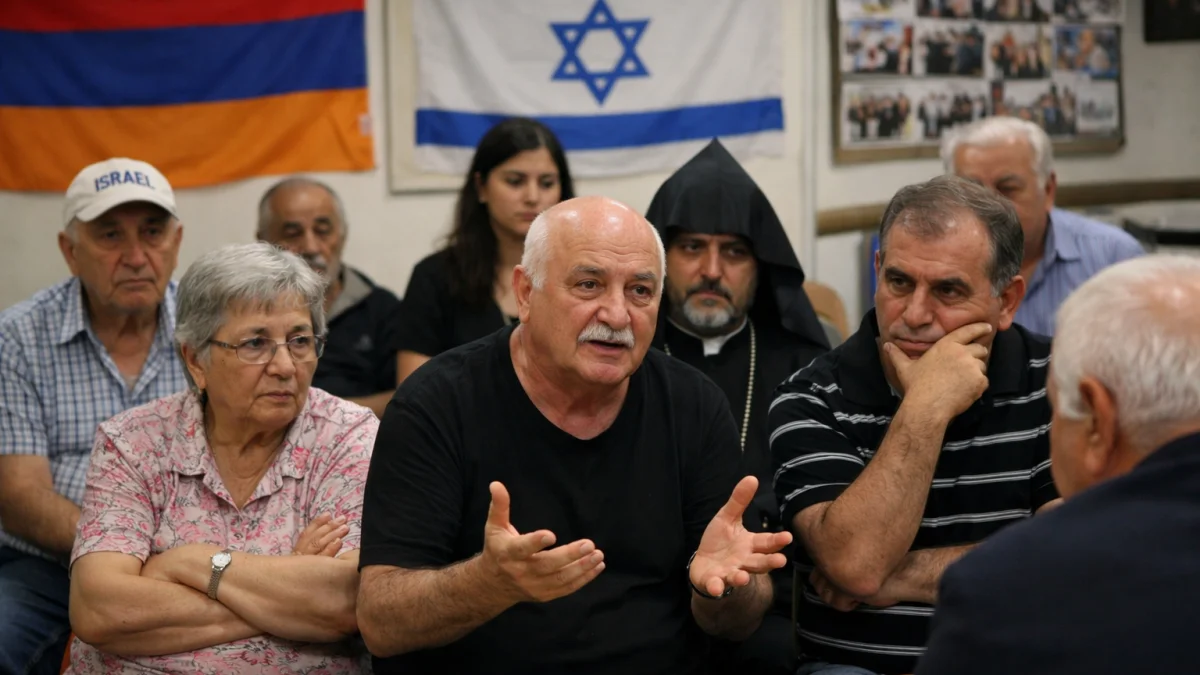
Members of Israel’s Armenian community, which has longstanding roots in Jerusalem and other cities, reacted with both appreciation and caution. Some welcomed the move as recognition of a tragedy that Armenians and scholars have long described as genocide, while others questioned whether the decision was influenced partly by deteriorating relations between Israel and Turkey.
The Armenian genocide refers to the mass deportations, killings and destruction of Armenian communities in the Ottoman Empire beginning in 1915. Historians widely recognize the events as genocide, with estimates of Armenian deaths ranging from hundreds of thousands to around 1.5 million. Turkey has rejected the genocide designation, arguing that the deaths occurred during a broader period of conflict and rejecting claims of a state-organized campaign of extermination.
The recognition comes amid strained ties between Israel and Turkey, which have worsened in recent years. Turkish officials have historically opposed international recognition of the Armenian genocide, and Ankara has previously criticized moves by other governments to adopt the designation.
Israel’s Armenian community has maintained cultural and religious institutions for centuries, including the Armenian Quarter in Jerusalem’s Old City, which remains a center of Armenian heritage. Community members have continued to advocate for recognition of the events of 1915 while also raising concerns about protecting Armenian identity and heritage.
The Israeli government’s resolution now awaits the next stage of parliamentary consideration, with the Knesset expected to determine whether the recognition becomes formal state policy through legislation or parliamentary action.