JUBA — Teachers across South Sudan, many unpaid for more than a year, are struggling to keep schools operational amid chronic salary delays and severe funding shortages in the country’s fragile education system.
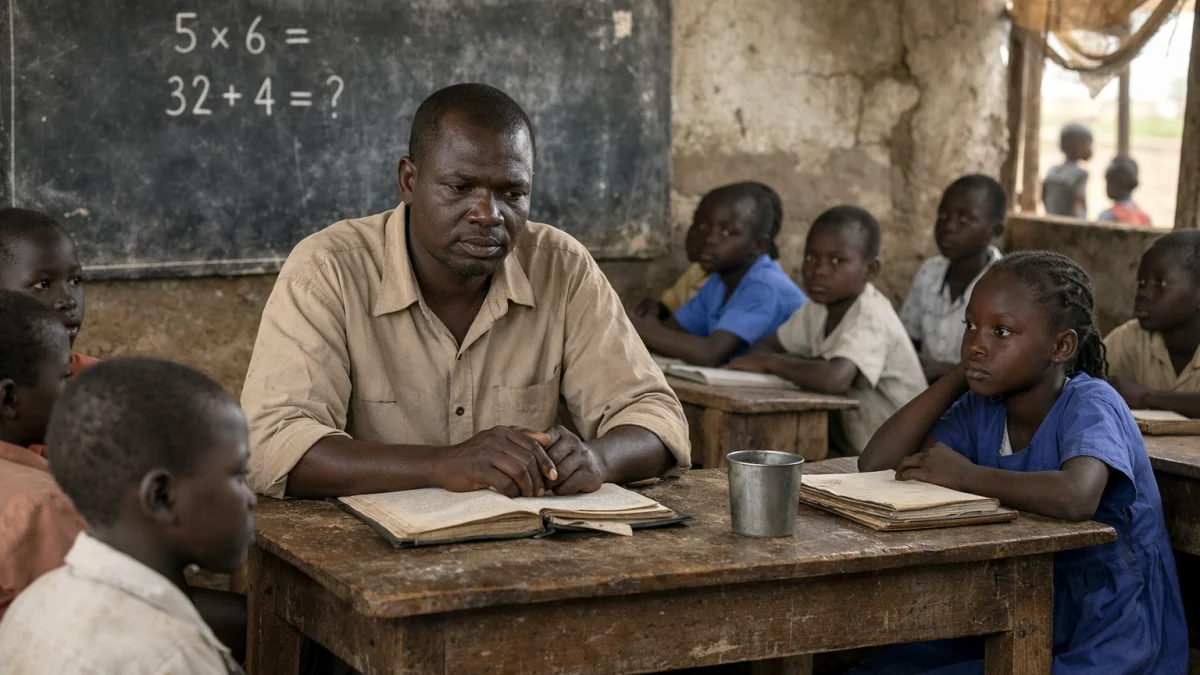
Hundreds of educators in Juba and other areas continue working without regular government pay, relying on personal resources or volunteer efforts to hold classes, according to reports from local schools and unions. At Gumbo Basic School in the capital, staff have received no salaries for over a year while maintaining daily operations for students.
The South Sudan Teachers’ Union has highlighted arrears stretching up to 18 months in some cases, with teachers describing severe hardship for their families. Many have supplemented income through other work or left government schools for private ones.
A study by Education International released in April 2025 documented widespread financial instability, with official monthly salaries ranging from about $3 to $58, often paid irregularly due to administrative and budgetary constraints. More than 80 percent of teachers are volunteers not on the government payroll, according to UNICEF.
“Teachers are paid 1,200 SSP per month [by the government], that is less than $5 USD. Who can survive on that?” a teacher identified as Lado told UNICEF in earlier reporting that reflects ongoing conditions.
South Sudan’s education system faces deep structural challenges following years of conflict, with one of the world’s lowest literacy rates and millions of children out of school. Less than half of primary teachers have formal training, exacerbating quality issues as schools struggle with absenteeism and burnout among staff.
The government has faced repeated calls to clear arrears and improve coordination between ministries. International partners, including UNICEF and Education Cannot Wait, have supported incentives and training programs, but systemic payment problems persist.
Teachers’ unions have threatened strikes in the past over the delays, though many educators say they continue working out of commitment to students. Environmental and security factors in remote areas further complicate access and operations.
As of Thursday, details on the latest government efforts to address arrears or release pending payments remained unclear. Officials from the Ministry of General Education and Instruction had not issued a recent public update on timelines for resolution. International organizations continue monitoring the situation as schools aim to maintain continuity for enrolled children.