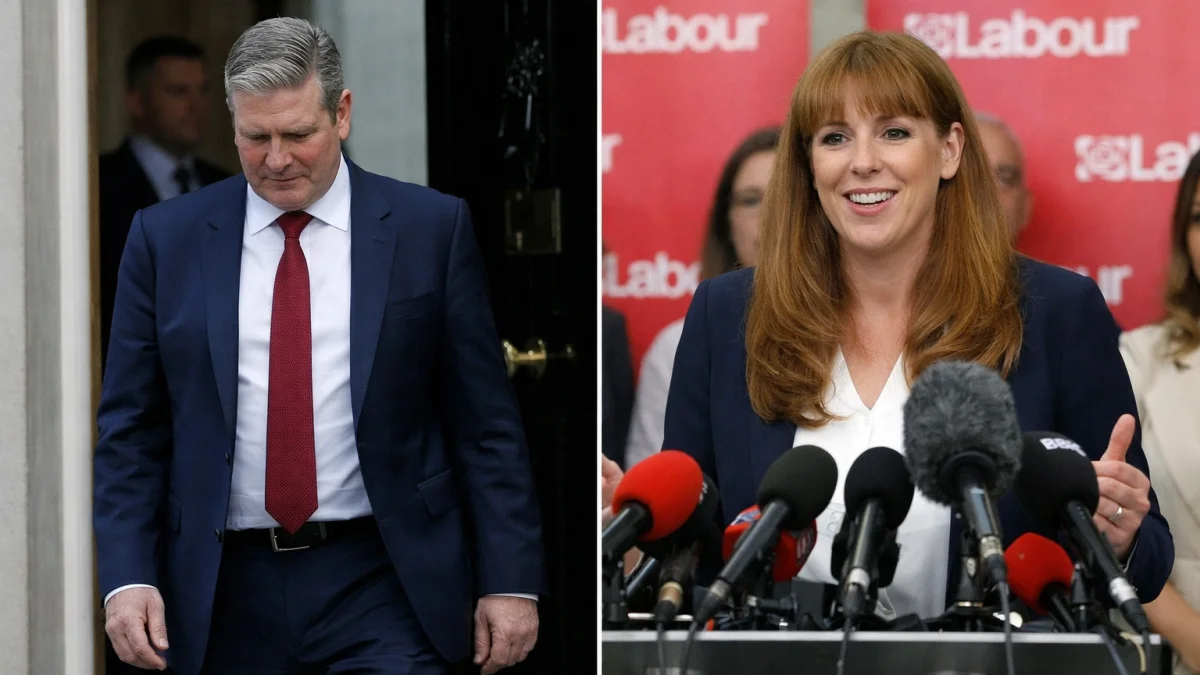
LONDON — Britain's governing Labour Party completed its leadership transition following the resignation of Prime Minister Keir Starmer, with Andy Burnham confirmed as the party's new leader and preparing to take office as prime minister after being elected unopposed.
Burnham was formally confirmed as Labour leader at a special party conference on July 17 after securing sufficient backing from Labour lawmakers and affiliated organizations, according to the Labour Party and parliamentary records. He was the only validly nominated candidate after the nomination process concluded.
Starmer announced on June 22 that he would resign as Labour leader and prime minister after a period of pressure over his leadership, saying he would remain in office until the party completed an orderly transition. The Labour Party's National Executive Committee subsequently approved a timetable for selecting a successor.
Burnham, previously mayor of Greater Manchester before returning to Parliament as the newly elected MP for Makerfield, pledged in his acceptance speech to focus his government on economic growth, improving living standards and rebuilding public confidence. The Labour Party said he received the backing of 379 Labour MPs and 23 affiliated organizations during the nomination process.
The change in leadership means Britain will have its seventh prime minister in a decade. Burnham is expected to be formally appointed prime minister by King Charles III after Starmer tenders his resignation, in line with constitutional convention. Reuters reported that Burnham has already outlined initial policy changes, including abandoning the government's proposed digital identity scheme and redirecting funding toward cost-of-living priorities.
The Labour leadership contest did not proceed to a ballot of party members because Burnham was the only candidate to secure the required nominations under party rules. The House of Commons Library said the special conference mechanism is used to confirm the leader when only one valid candidate remains.
Burnham inherits a substantial parliamentary majority but also faces pressure over slowing economic growth, strained public services and broader geopolitical challenges. Analysts say he will be expected to demonstrate policy continuity where appropriate while setting out his own governing agenda in the coming weeks.
The transfer of power is scheduled to conclude on Monday, when Burnham is expected to enter Downing Street after Starmer's formal resignation, completing the Labour Party's leadership transition.