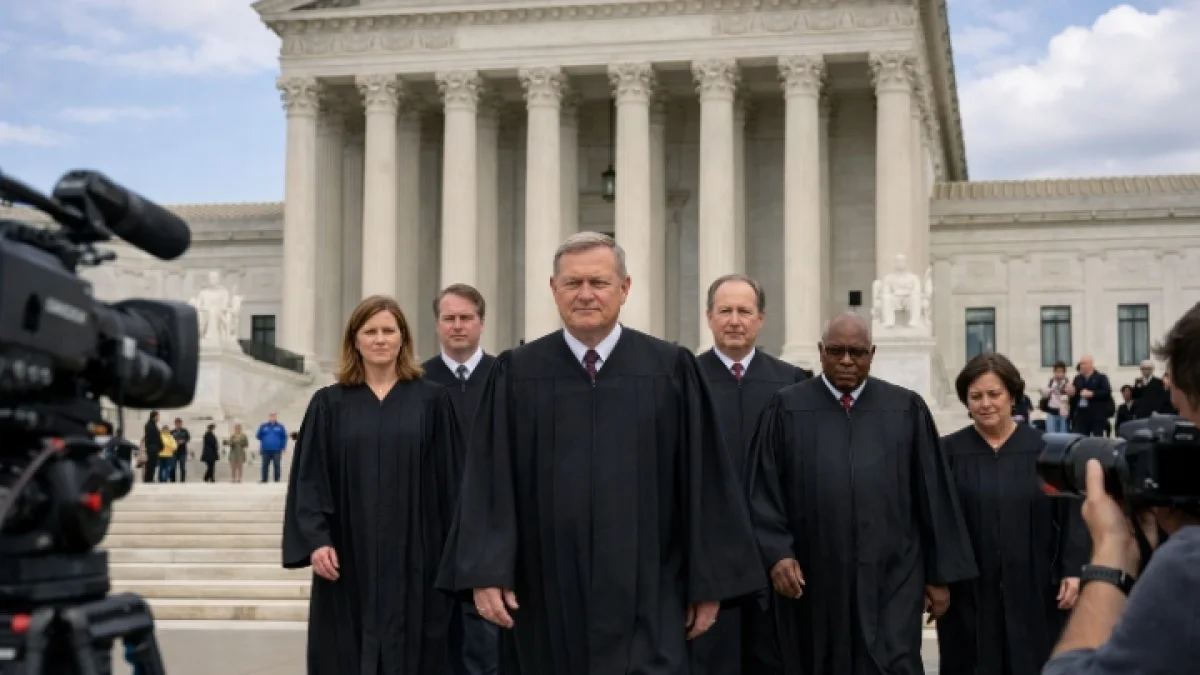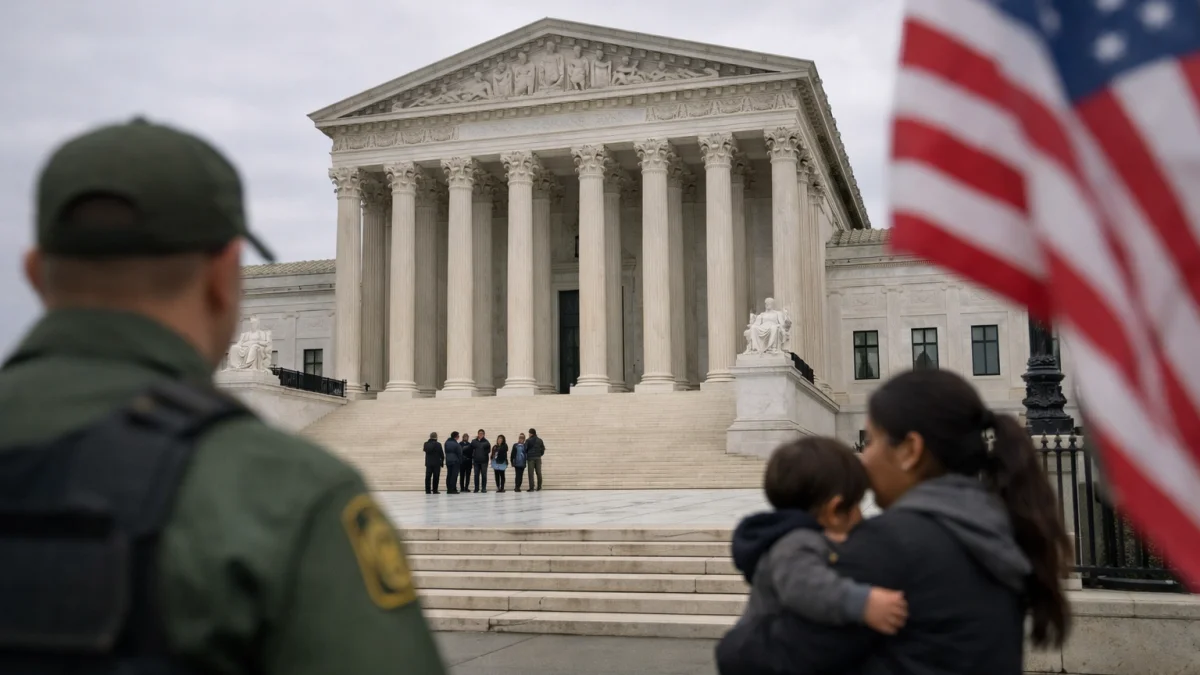
WASHINGTON — The U.S. Supreme Court this week issued a pair of decisions that broaden the executive branch’s authority over key immigration policies, handing President Donald Trump’s administration significant legal victories on matters involving asylum processing and Temporary Protected Status, according to the court’s opinions and administration officials.
The rulings mark one of the most consequential developments in immigration law since Trump returned to office in 2025, reinforcing presidential discretion over border management and humanitarian immigration programs while narrowing the scope of judicial intervention in certain executive decisions. Civil rights organizations and immigrant advocates criticized the decisions, while administration officials said they affirmed powers granted by federal immigration law.
In one case, Mullin v. Al Otro Lado, the court ruled 6-3 that federal authorities may deny entry to asylum seekers waiting in Mexico until they physically enter the United States, reversing a lower court decision that had found the practice inconsistent with federal law. Writing for the majority, Justice Samuel Alito said, “An alien ‘arrives in the United States’ only when he crosses the border,” according to the published opinion.
The decision clears the way for the administration to revive the border processing practice commonly known as “metering,” under which officials limit the number of asylum seekers processed at ports of entry during periods of high demand. The Department of Homeland Security has indicated it may reinstate the policy.
In a separate 6-3 ruling, the court held that decisions by the Homeland Security secretary regarding Temporary Protected Status designations are largely insulated from judicial review, allowing the administration to move forward with ending TPS protections for migrants from Haiti and Syria while legal challenges continue. The ruling affects hundreds of thousands of people currently living and working legally in the United States under the program, according to court filings and government statements.
The court divided along ideological lines in both cases, with the three liberal justices dissenting. The published opinions identify Justice Elena Kagan as author of the dissent in the TPS case, while Justice Sonia Sotomayor dissented in the asylum-processing case.
Immigrant advocacy organizations said the decisions would reduce legal protections for migrants and asylum seekers, while administration officials argued the rulings confirmed that immigration enforcement and border management remain primarily executive responsibilities under existing law.
As of Saturday, no subsequent Supreme Court action had altered either ruling. The administration has not announced specific implementation dates for any renewed border-processing measures beyond stating that the decisions permit it to proceed under the court’s interpretation of federal law.