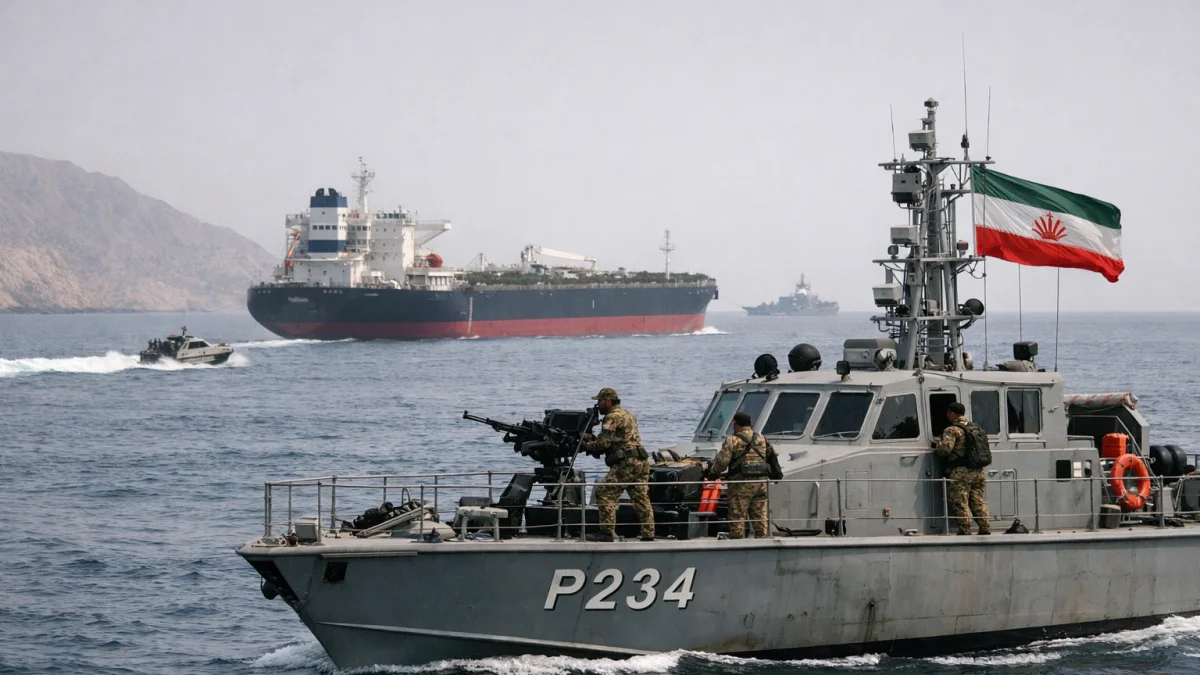
LONDON — Shipping companies are preparing for further disruption to traffic through the Strait of Hormuz after renewed military tensions in the Gulf pushed tanker movements to their lowest levels in months and raised concerns over the safety of crews and vessels operating in one of the world’s most important maritime energy corridors.
Shipping data reviewed by market analysts showed oil and gas tanker traffic through the strait had fallen to its lowest level since late May, while industry sources said some vessels were reducing the visibility of their movements by switching off public tracking systems. The decline followed renewed clashes between the United States and Iran and reports of attacks affecting commercial shipping in the region.
The Strait of Hormuz, located between Iran and Oman, is a critical route for global energy shipments, carrying a significant share of seaborne oil and gas exports from Gulf producers. Disruptions there can affect tanker schedules, insurance costs and supply chains for energy-dependent industries.
The International Maritime Organization (IMO) said it remained concerned about the safety of seafarers and commercial vessels operating near the waterway. IMO Secretary-General Arsenio Dominguez said attacks on commercial ships had placed crews at risk and urged governments, shipowners and operators to avoid exposing seafarers to unnecessary danger while security conditions remained uncertain.
The maritime agency said hundreds of ships and thousands of seafarers had been affected by the regional crisis, with vessels facing difficulties departing the Gulf safely.
Shipping firms have responded by reviewing voyage plans, assessing security risks and considering delays or alternative arrangements where possible. Analysts said prolonged disruption could increase costs for tanker operators through higher insurance premiums, longer waiting times and operational restrictions.
The latest market concerns have also affected energy markets, with oil prices rising as traders assessed the potential impact on global supply flows. Liquefied natural gas shipments have also faced disruption, with industry data indicating no LNG carriers had transited the strait since July 11 amid heightened security concerns.
U.S. and Iranian authorities have issued competing statements over the status of the waterway, with Washington saying efforts were continuing to keep shipping routes open and Tehran asserting control over passage conditions.
Shipping operators and maritime authorities are continuing to monitor developments, with the immediate focus remaining on vessel safety, navigation risks and whether commercial traffic through the Strait of Hormuz can resume more normal operations.