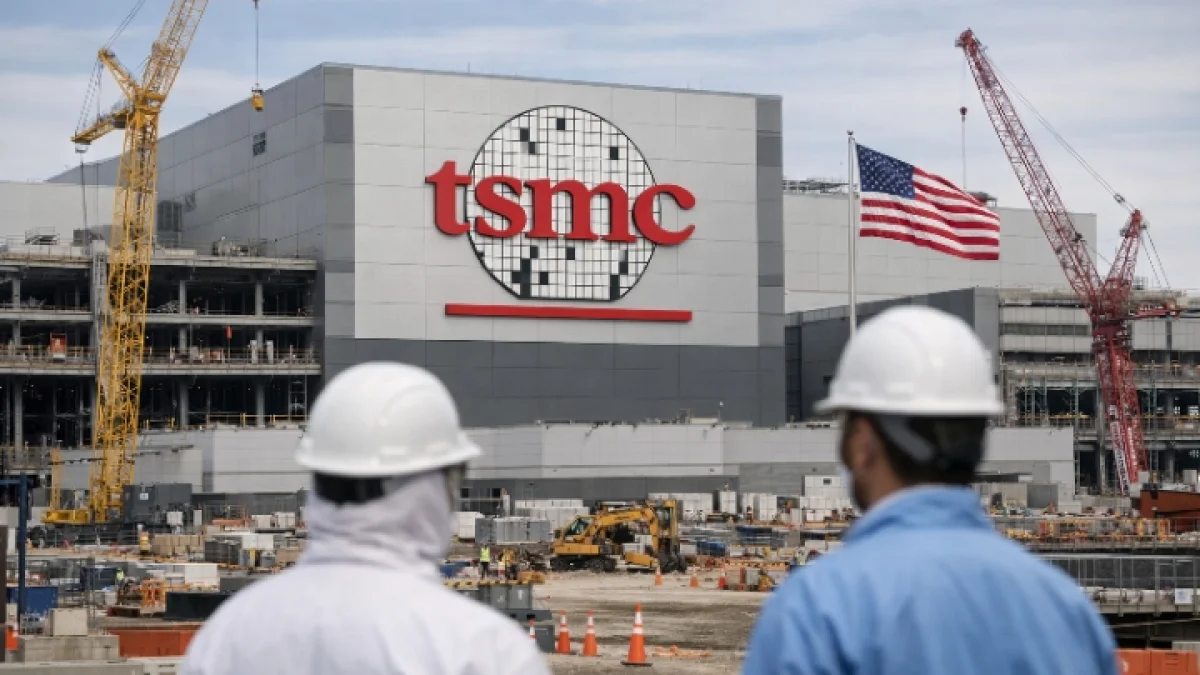
On a sweltering July afternoon, the hum of air conditioners competed with another, less visible demand on the U.S. power grid. Across the Mid-Atlantic, utilities asked thousands of customers enrolled in demand-response programs to reduce electricity use as record heat pushed consumption close to historic highs. The emergency measures helped avert blackouts, but they also underscored a broader shift unfolding well beyond a single heat wave: communities that host the rapidly expanding network of data centers powering artificial intelligence are finding themselves at the center of a new debate over electricity, infrastructure and who bears the costs.
The challenge reaches far beyond server rooms. New data centers promise construction jobs, tax revenue and investment in local economies. Yet they also require enormous amounts of electricity, forcing utilities, regulators and residents to confront questions about grid capacity, electricity prices and the pace of infrastructure expansion. In many of the regions attracting AI investment, the conversation has shifted from whether data centers should be built to how communities can absorb their growing appetite for power.
The U.S. Energy Information Administration expects electricity demand to post its strongest four-year growth since 2000, driven largely by large computing facilities. After years of relatively flat consumption, utilities are planning for sustained increases as AI accelerates investment in digital infrastructure.
For residents living near major data-center hubs, those projections translate into practical concerns. They ask whether substations, transmission lines and generating capacity can expand quickly enough to keep homes cool during heat waves while supporting facilities that operate around the clock. They wonder whether future utility bills will reflect investments made to accommodate industrial-scale electricity users.
Those concerns have become increasingly visible in rural communities targeted for new developments. While many local officials welcome economic activity, surveys cited by researchers show residents expressing worries about electricity costs, water use and pressure on existing infrastructure. Developers argue that modern data centers bring high-value investment and that technology companies increasingly pursue renewable energy contracts, battery storage and efficiency improvements to reduce their impact on local grids.
Northern Virginia illustrates both the opportunities and the strains. Long known as one of the world's largest concentrations of data centers, the region has become a focal point for electricity planning. During this week's heat emergency, congestion around data-center-heavy areas contributed to exceptionally high wholesale electricity prices, even as grid operators maintained reliable service through emergency measures and the use of additional generating resources.
Grid operators emphasize that reliability remains their primary responsibility. PJM Interconnection, which serves roughly 67 million people across the eastern United States, has warned that future demand growth leaves little spare capacity beyond next year unless additional generation and transmission projects come online. The operator has worked with utilities and policymakers to accelerate new resources while encouraging programs that temporarily reduce electricity consumption during periods of peak demand.
Federal regulators are also responding. In June, the Federal Energy Regulatory Commission directed regional grid operators to justify or revise the rules governing how very large electricity users—including data centers—connect to transmission systems. The agency said the effort aims to speed new connections while protecting existing customers from unfair costs and maintaining grid reliability.
The questions extend beyond Virginia. Wisconsin regulators recently projected a sharp increase in electricity demand over the coming years, with most of the anticipated growth linked to three large data-center developments. Similar planning exercises are unfolding in Texas, Ohio, Georgia and other states where technology companies have announced major investments.
Industry executives acknowledge that access to electricity has become one of the biggest constraints on future expansion. A recent industry survey found that many developers are considering on-site power generation if grid connections cannot be secured quickly enough. At the same time, companies reported growing scrutiny from communities concerned about electricity prices, water consumption and environmental impacts.
Utilities and technology companies argue that infrastructure built for data centers can also strengthen local grids over time. New transmission lines, substations and generating resources may improve reliability for other customers as well. Economists note that the long-term effect on electricity prices depends on how expansion costs are allocated, how quickly new power supplies come online and whether demand continues to outpace investment.
Researchers say the technology sector is also exploring ways to make computing itself more flexible. Emerging approaches would allow some AI workloads to shift across locations or temporarily reduce electricity use during periods of peak demand, treating data centers less as fixed consumers and more as participants in balancing the grid. While those systems remain in development, they point toward a future in which digital infrastructure could adapt more closely to electricity availability rather than drawing constant power regardless of conditions.
For communities living alongside the expansion, however, the debate remains grounded in everyday experience. The questions arise during planning meetings, utility hearings and summer afternoons when electricity demand climbs with the temperature. Residents weigh the promise of investment against uncertainty over future bills and infrastructure, while local officials balance economic development with the practical limits of power systems built for a different era.
As AI reshapes the digital economy, the physical consequences are becoming increasingly visible. The warehouses filled with processors and cooling equipment may sit behind secure fences, but the electricity that keeps them running flows through the same transmission lines that serve nearby neighborhoods. How those competing demands are managed will help determine not only the pace of technological growth, but also how the benefits and burdens of that growth are shared among the communities that host it.