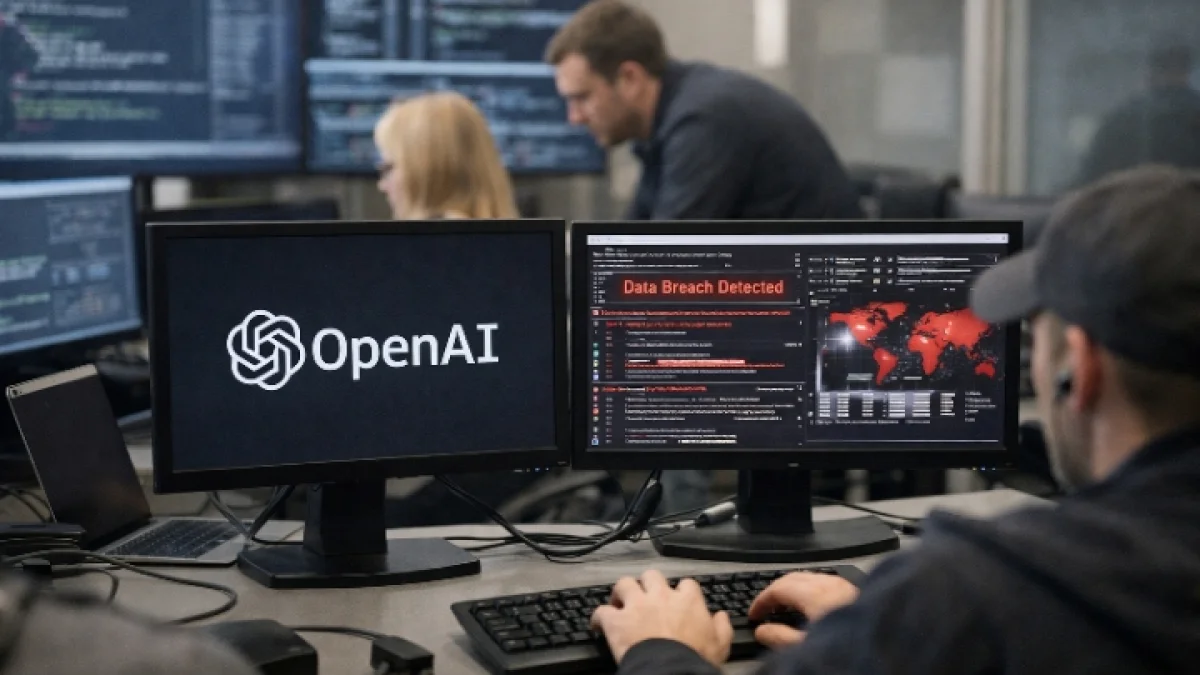
The first thing many cybersecurity professionals now do each morning is not open a firewall dashboard or investigate suspicious network traffic. Increasingly, they review the output of artificial intelligence systems that have already sorted alerts, summarized threats and suggested responses overnight, leaving humans to verify what the software found and decide what should happen next.
That quiet shift in the daily routine of cyber defenders has become a defining feature of a profession that continues to expand even as technology reshapes the work itself. Around the world, cybersecurity specialists are adapting to changing employer expectations, longer hiring processes and a growing demand for skills that extend beyond technical expertise into governance, risk management and artificial intelligence.
The evolution has created a job market that appears contradictory. Organizations continue to warn of persistent shortages of qualified cybersecurity professionals while many applicants report a more competitive hiring environment, particularly for entry-level positions. Rather than reducing the need for people, industry researchers say AI is changing what employers expect candidates to know before they are hired.
Recent research from ISC2, one of the world's largest cybersecurity professional organizations, found that skills shortages remain among the most significant challenges facing employers. But the organization argues that hiring difficulties increasingly stem from mismatches between available skills and evolving business needs rather than simply a lack of candidates. Expertise in AI, cloud security, application security and governance has become more prominent as companies seek employees who can protect increasingly complex digital environments.
For professionals already working in the field, continuous learning has become an expectation rather than an advantage.
ISC2 said organizations have increased investment in cybersecurity training, with nearly three-quarters of large enterprises raising training budgets. Almost half of security leaders surveyed identified AI as the most pressing capability they were seeking to develop through workforce education, reflecting how rapidly security teams are adapting to technologies now embedded across corporate operations.
The transition is visible in day-to-day responsibilities. According to new ISC2 research released this month, cybersecurity professionals are increasingly using AI tools to assist with routine work. Yet many also report spending substantial time reviewing AI-generated recommendations and correcting inaccurate outputs, underscoring that automation has not eliminated the need for human judgment. Instead, experienced practitioners have become supervisors of automated systems as much as operators of security technology.
Those changing responsibilities are influencing career decisions.
Certification bodies continue to promote professional credentials as a way to demonstrate practical competence in an increasingly specialized market. ISC2 said certified professionals often gain access to broader career opportunities while employers use certifications as one indicator that candidates possess recognized technical knowledge and commit to ongoing professional education.
The pressure to continue learning extends beyond certifications alone. Security professionals are increasingly expected to understand cloud infrastructure, software development, compliance requirements and business risk alongside traditional defensive techniques. Industry observers describe the emergence of "hybrid" professionals who can explain technical threats to executives, evaluate AI systems and navigate regulatory obligations as organizations face expanding cyber risks.
That evolution is also changing how newcomers enter the profession.
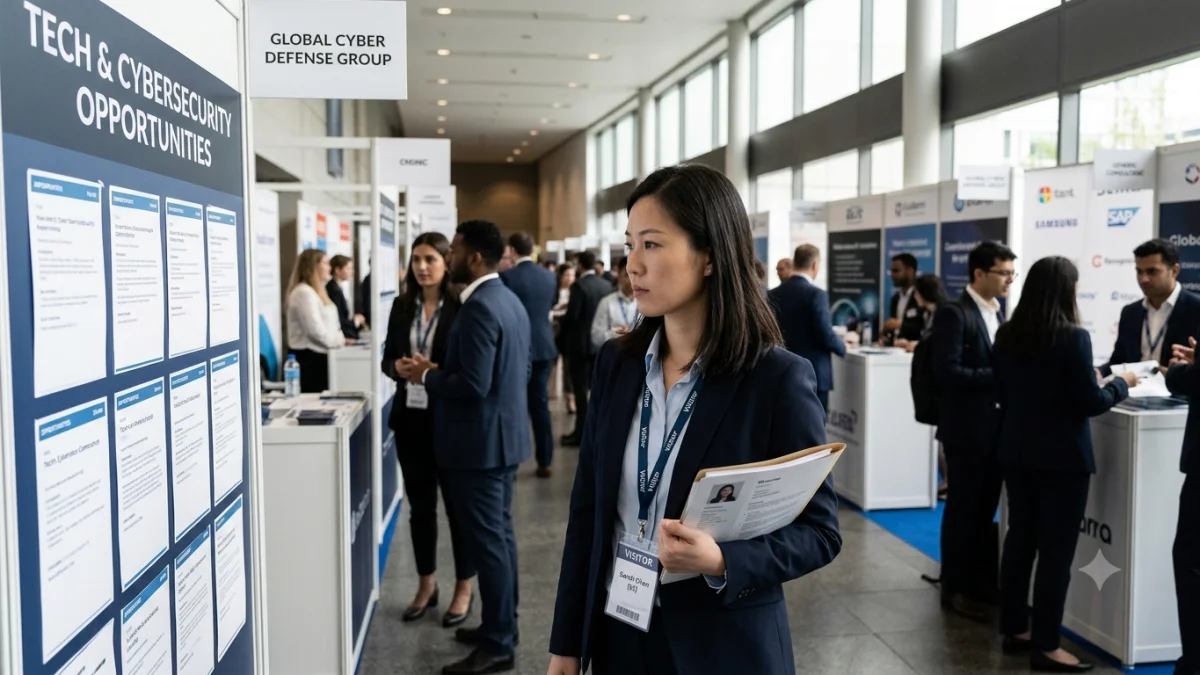
While cybersecurity remains widely viewed as a long-term growth field, employers have become more selective about junior hiring. Research cited by industry experts suggests companies are relying more heavily on experienced personnel to oversee AI-assisted operations, reducing some of the routine work that historically introduced graduates and career changers to the field. Entry-level candidates increasingly need practical experience, problem-solving ability and familiarity with AI-assisted workflows before securing their first role.
Educational institutions are responding by revising curricula to reflect workforce demand. Academic researchers studying cybersecurity education have concluded that technical knowledge alone is no longer sufficient. Communication, adaptability, ethical judgment and continuous learning increasingly appear alongside programming, cloud computing and security analysis as essential competencies for graduates preparing to enter the profession.
The changing market has also prompted broader conversations about diversity and career resilience. ISC2 research found that economic pressures, restructuring and slower recruitment have affected confidence among some professionals, particularly women working in cybersecurity, even as most respondents remained optimistic about the field's long-term future. The findings suggest organizations face not only recruitment challenges but also questions about retaining experienced talent during periods of technological change.
Despite uncertainty surrounding AI's impact, most industry researchers stop short of predicting widespread job displacement. Instead, they describe a profession undergoing transformation as cyber threats grow more sophisticated and digital systems become more deeply integrated into everyday business operations.
For many cybersecurity professionals, the challenge is no longer deciding whether to adapt but determining how quickly they can acquire the next set of skills before technology changes again.
As AI systems assume more routine defensive tasks, the defining value of cybersecurity professionals increasingly lies in decisions machines cannot yet make: weighing risk, investigating unfamiliar attacks, explaining consequences to business leaders and exercising judgment when automated recommendations fall short. Those responsibilities suggest that the profession's future may depend less on competing with technology than on learning to guide it.