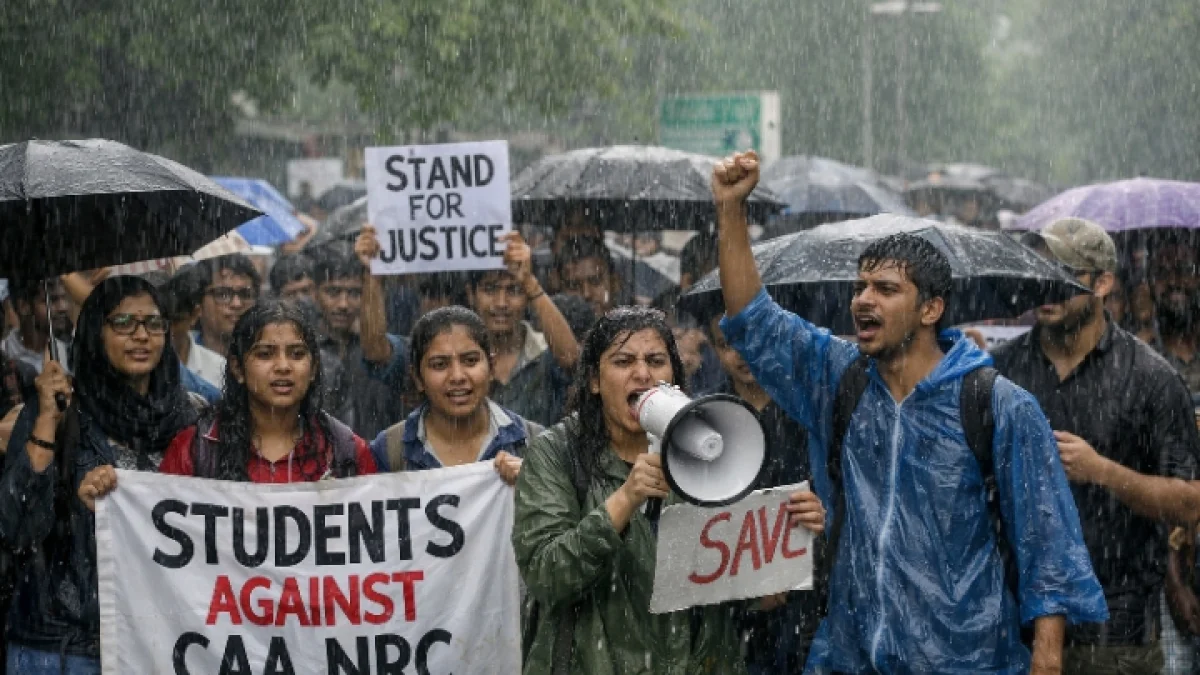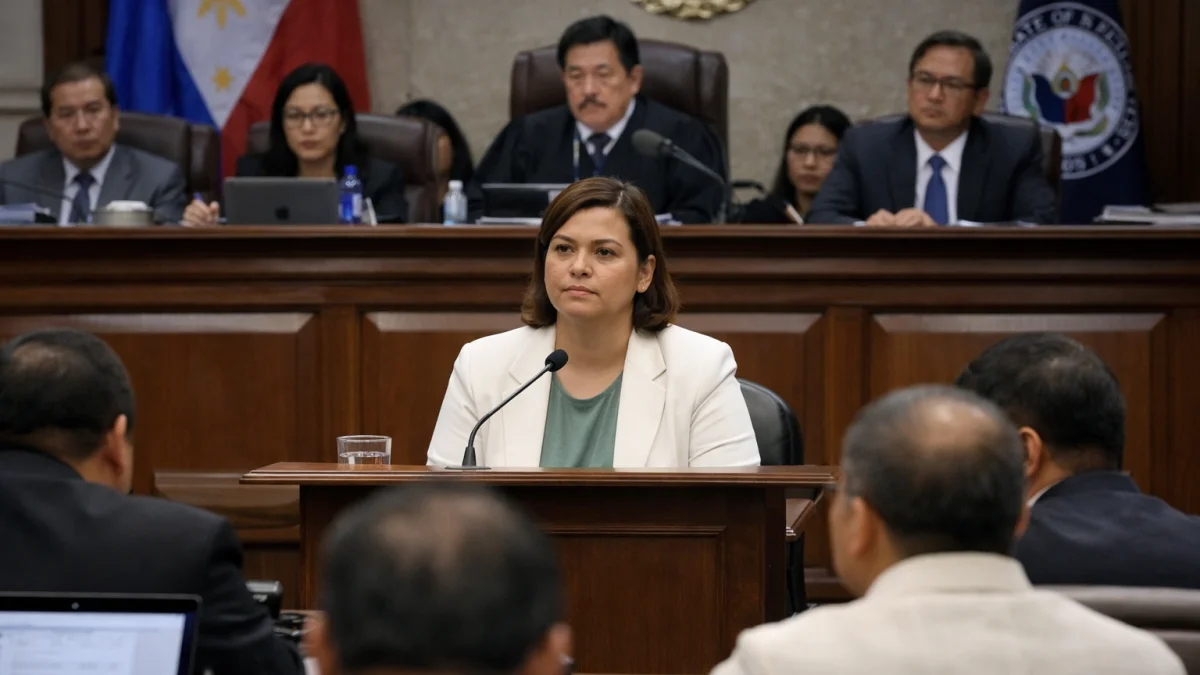
The Senate chamber has become the stage for one of the most consequential political proceedings in modern Philippine history, with senators seated not as lawmakers but as judges in the impeachment trial of Vice President Sara Duterte. Outside the building, police have maintained tight security while protesters from opposing camps have gathered to voice sharply different views of a case that reaches far beyond one politician and into broader questions about accountability, democratic institutions and the country's political future.
For many Filipinos, the proceedings are more than a constitutional exercise. They represent the latest chapter in the unraveling of an alliance that only four years earlier delivered Ferdinand Marcos Jr. to the presidency and Duterte to the vice presidency with overwhelming electoral support. The partnership between two of the country's most influential political families has since dissolved into an increasingly public struggle that now places the vice president before an impeachment court for the first time in Philippine history.
The trial has drawn sustained public attention because its outcome could reshape both the country's political landscape and the race to succeed Marcos when his term ends. Conviction would require the support of two-thirds of the 24-member Senate and could permanently disqualify Duterte from holding public office, effectively ending what many observers have viewed as a likely 2028 presidential campaign.
House prosecutors have presented the case as a test of constitutional accountability, arguing that no elected official should be exempt from scrutiny. Among the allegations are accusations that Duterte threatened President Marcos, First Lady Liza Araneta-Marcos and a former House speaker, along with claims involving the misuse of confidential government funds, unexplained wealth, bribery and corruption. Prosecutors have introduced video evidence that they argue supports some of those allegations.
Duterte has consistently rejected the accusations. Through her lawyers and in public statements, she has described the proceedings as politically motivated and portrayed herself as the target of persecution. Ahead of the trial, she said she expected to emerge "bloodied but unbowed," language that has become a rallying point for many of her supporters.
The legal contest has unfolded alongside a political drama that has affected institutions well beyond the Senate chamber. Several senators once regarded as Duterte allies have faced separate legal troubles, altering the political arithmetic surrounding the impeachment court and adding another layer of uncertainty to a process that already carries unusually high stakes.
Inside the Senate, the proceedings have reflected the complexity of the case. Lawyers for both sides have debated procedural rules, challenged evidence and questioned witnesses while court officials have sought to keep the trial moving despite its scale. Senate officials have acknowledged the large volume of documentary evidence and indicated that hearings could extend for longer sessions to avoid unnecessary delays.
The impeachment process has also become a civic event followed closely by ordinary Filipinos. Court documents have been made publicly accessible by the Senate, allowing citizens, lawyers, journalists and researchers to examine filings and evidence more directly than in many previous high-profile political proceedings.
For constitutional scholars, the case highlights the resilience of democratic institutions under pressure. The Philippine Constitution provides impeachment as the mechanism for addressing alleged misconduct by senior officials, but such proceedings inevitably unfold in an intensely political environment. The Senate's dual role as a legislative body and impeachment court has placed individual senators under scrutiny from supporters and critics alike, each side watching closely for signs of impartiality or political loyalty.
The trial has unfolded against the backdrop of broader tensions surrounding the Duterte family. Former President Rodrigo Duterte is separately awaiting proceedings before the International Criminal Court over allegations linked to his anti-drug campaign, a development that Sara Duterte has publicly connected to what she describes as efforts by political opponents to weaken her family's influence. President Marcos has rejected suggestions that the impeachment is driven by personal or political retaliation.
Beyond Manila, the case has become a subject of discussion in communities across the Philippines, reflecting deep political divisions but also widespread interest in how constitutional institutions function during periods of intense partisan conflict. Supporters describe Duterte as the victim of political persecution, while critics argue that the allegations deserve full examination through the legal process established by the Constitution. The trial has therefore become not only a judgment of one public official but also a measure of public confidence in the country's democratic system.
As testimony continues and evidence is examined, the outcome remains uncertain. What is already clear is that the proceedings have entered the country's political history as the first impeachment trial of a sitting Philippine vice president. Whatever verdict eventually emerges from the Senate chamber, the trial has already reshaped the relationship between two powerful political dynasties and underscored how constitutional institutions are tested during moments of national division.