NEW YORK — Global markets turned cautious on Monday as renewed military exchanges between the United States and Iran pushed oil prices higher, pressured equity markets and revived concerns about potential disruptions to energy supplies through the Strait of Hormuz.
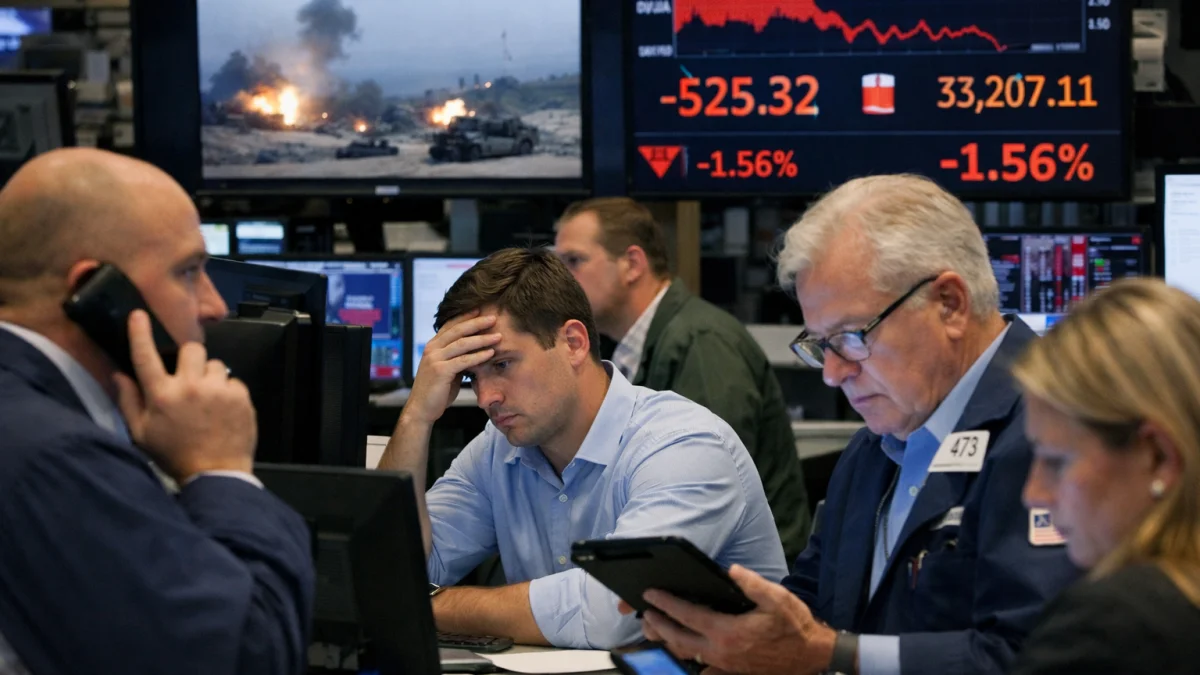
U.S. stock futures declined, with futures tied to the S&P 500 and Nasdaq falling as investors assessed the impact of the latest escalation in the Gulf. Technology and semiconductor shares came under pressure, while energy markets reacted to renewed uncertainty over one of the world’s most important oil transit routes.
Brent crude futures rose more than 4% during trading, while U.S. West Texas Intermediate crude also gained as traders weighed risks to shipments through the Strait of Hormuz. The route carried about one-fifth of global oil and liquefied natural gas supplies before the conflict began, according to market data cited by analysts.
The market reaction followed renewed strikes between Washington and Tehran. U.S. Central Command said U.S. forces carried out additional strikes against Iranian targets, while Iran’s Revolutionary Guards said it had conducted attacks against U.S. military facilities in the region. The claims from both sides could not be independently verified in full.
Investors also monitored conflicting statements over shipping conditions in the Strait of Hormuz. U.S. officials said commercial traffic remained open, while Iranian authorities said they would not allow outside intervention in managing passage through the waterway.
Higher oil prices renewed concerns about inflation and the outlook for monetary policy. U.S. Treasury yields moved higher as markets evaluated whether sustained energy price increases could affect expectations for interest rates. The dollar weakened slightly, while investors followed upcoming U.S. economic data and Federal Reserve commentary for further guidance.
Asian and European markets also reflected investor caution. South Korea’s KOSPI index fell sharply, with technology shares among the biggest decliners, while European energy stocks received support from rising crude prices.
The latest market moves came after earlier efforts to stabilize conditions around the Gulf had reduced some supply concerns. Traders are now watching official statements from Washington and Tehran, developments affecting commercial shipping, and further military activity for indications of the conflict’s next phase.