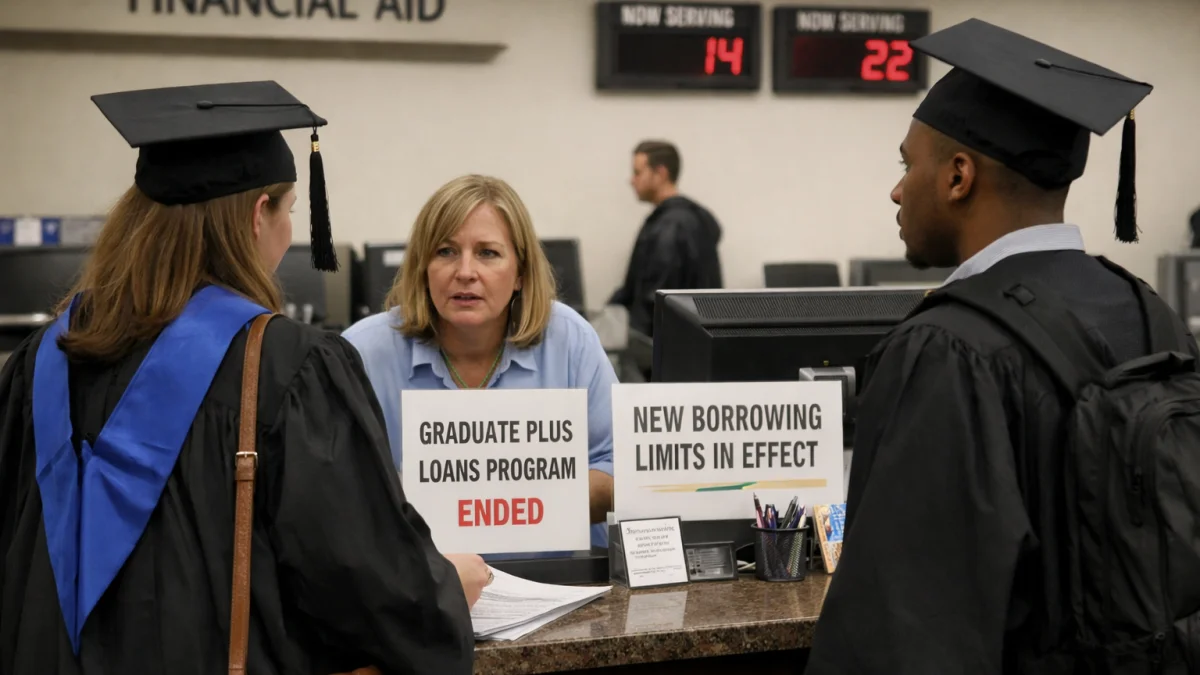
WASHINGTON — The federal Graduate PLUS loan program ended for new borrowers on July 1, marking one of the most significant changes to U.S. graduate student financing in two decades as new federal borrowing caps took effect under legislation enacted last year.
The changes, implemented by the U.S. Department of Education under the One Big Beautiful Bill Act, replace the previous system that allowed eligible graduate and professional students to borrow up to the full cost of attendance through Graduate PLUS loans. Beginning with new loans issued on or after July 1, graduate students are generally limited to $20,500 in annual Direct Unsubsidized Loans and a lifetime federal borrowing limit of $100,000, while qualifying professional degree programs are subject to higher annual and aggregate limits.
The Education Department has said students already enrolled in eligible programs who borrowed before the July 1 deadline may continue under transitional, or "legacy," provisions for a limited period, provided they remain in the same program and meet other eligibility requirements.
The department also revised guidance shortly before the changes took effect after litigation over which academic programs qualify for the higher professional borrowing limits. A federal court prompted the agency to broaden the list of programs temporarily while the legal dispute proceeds.
Supporters of the legislation have argued the new limits are intended to curb rising federal student debt and reduce taxpayer exposure by placing clearer limits on graduate borrowing. Critics, including higher education organizations and student advocates, have warned that the elimination of Graduate PLUS loans could leave students in high-cost programs with financing gaps, increasing reliance on private lenders that generally offer fewer borrower protections than federal loans.
The borrowing changes coincide with broader revisions to the federal student loan system that also affect repayment options and Parent PLUS loans. New parent borrowers now face annual and lifetime borrowing caps, while repayment choices for future borrowers have been streamlined under the revised framework. Existing borrowers generally retain access to previous repayment plans for a transition period before additional changes take effect.
Universities and financial aid offices have advised prospective graduate students to review updated federal loan eligibility before enrolling and to consider scholarships, institutional aid and other financing options if program costs exceed the new federal borrowing limits. The Department of Education has indicated it will continue issuing implementation guidance as the new rules are applied during the 2026-27 academic year.