WASHINGTON — The global economy is facing mounting headwinds from renewed conflict involving Iran and persistent inflation pressures, prompting international policymakers to warn that higher energy costs and geopolitical uncertainty could slow growth while complicating efforts to restore price stability.
The International Monetary Fund said in its July update to the World Economic Outlook that global output is expected to expand by about 3.0% in 2026, with the recovery remaining uneven as conflict-related disruptions offset gains from technology-driven investment. The IMF said global disinflation has stalled, with headline inflation revised higher for the year even as underlying price pressures have eased more gradually.
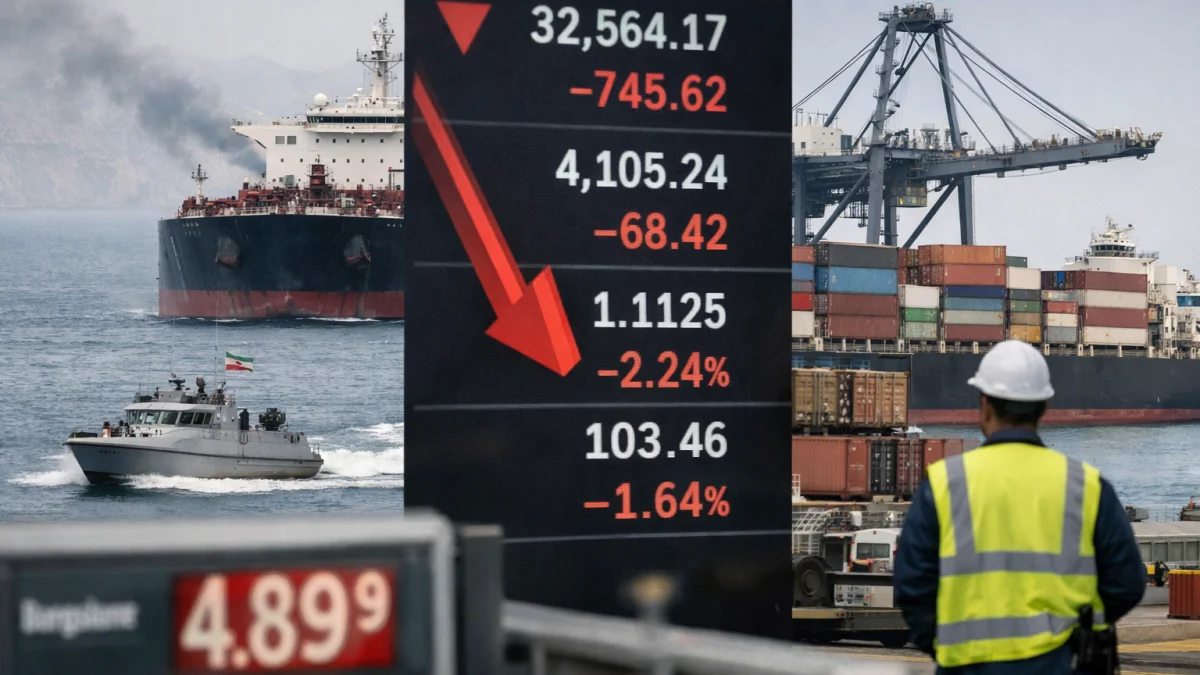
The outlook follows months of instability in the Middle East that have disrupted energy markets and raised concerns over shipping through the Strait of Hormuz, a key route for global oil exports. Although alternative supplies, strategic stockpile releases and weaker demand have helped contain larger price spikes, the IMF warned that those buffers have diminished, leaving the global economy more exposed to further supply shocks.
The Organization for Economic Co-operation and Development has also warned that the Middle East conflict has become a dominant factor shaping the global outlook. It said higher energy prices are weighing on household incomes, business costs and investment, while prolonged disruptions could tighten financial conditions and further weaken growth.
IMF officials said recent resilience reflected stronger-than-expected investment linked to artificial intelligence, expanded energy production outside the Gulf and lower energy intensity in many economies. However, they cautioned that renewed escalation in the conflict, persistent inflation or additional geopolitical shocks could undermine that outlook.
Christian Mumssen, the IMF's strategy chief, said governments should maintain credible fiscal policies and preserve price stability while preparing for a more uncertain global environment shaped by geopolitical tensions and structural economic changes.
Central banks in many advanced economies continue to weigh the risk that higher energy costs could delay progress toward inflation targets, even as economic activity moderates. Policymakers have signaled they will continue monitoring developments in commodity markets and global supply chains before adjusting monetary policy.
The IMF said downside risks remain tied to the duration of the Middle East conflict, further disruptions to energy supplies and broader geopolitical fragmentation. It urged countries to rebuild fiscal buffers, strengthen financial resilience and pursue policies that support sustainable growth while keeping inflation under control.