WASHINGTON—Federal Reserve Chair Kevin Warsh told members of the U.S. House of Representatives that the central bank remains committed to restoring and maintaining price stability while avoiding firm signals on the future path of interest rates, underscoring that upcoming policy decisions will depend on incoming economic data rather than predetermined guidance.
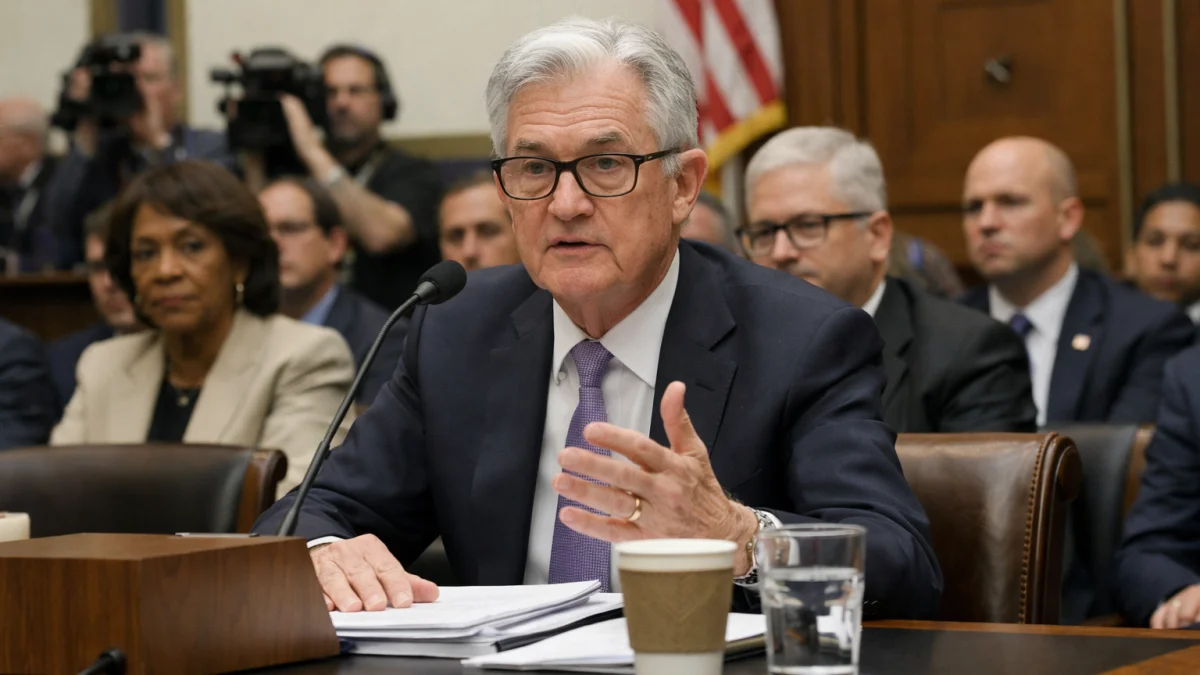
Appearing before the House Financial Services Committee for his first semiannual Monetary Policy Report since taking office, Warsh said the Federal Reserve would continue to assess inflation, employment and broader financial conditions before determining any changes to monetary policy. He emphasized that the central bank's statutory objectives remain maximum employment and stable prices, while reiterating the importance of preserving the Fed's independence in carrying out those responsibilities.
Lawmakers questioned Warsh on inflation, interest rates, artificial intelligence, financial regulation and the Federal Reserve's communications strategy. Throughout the hearing, he declined to provide explicit guidance on the timing or direction of future rate decisions, arguing that policymakers should retain flexibility as economic conditions evolve.
Warsh told lawmakers the central bank is reviewing a broader range of economic indicators and analytical tools to improve its assessment of inflation and the economy. He said the Fed had established expert task forces to examine issues including monetary policy frameworks, communications and economic measurement, with recommendations expected later this year.
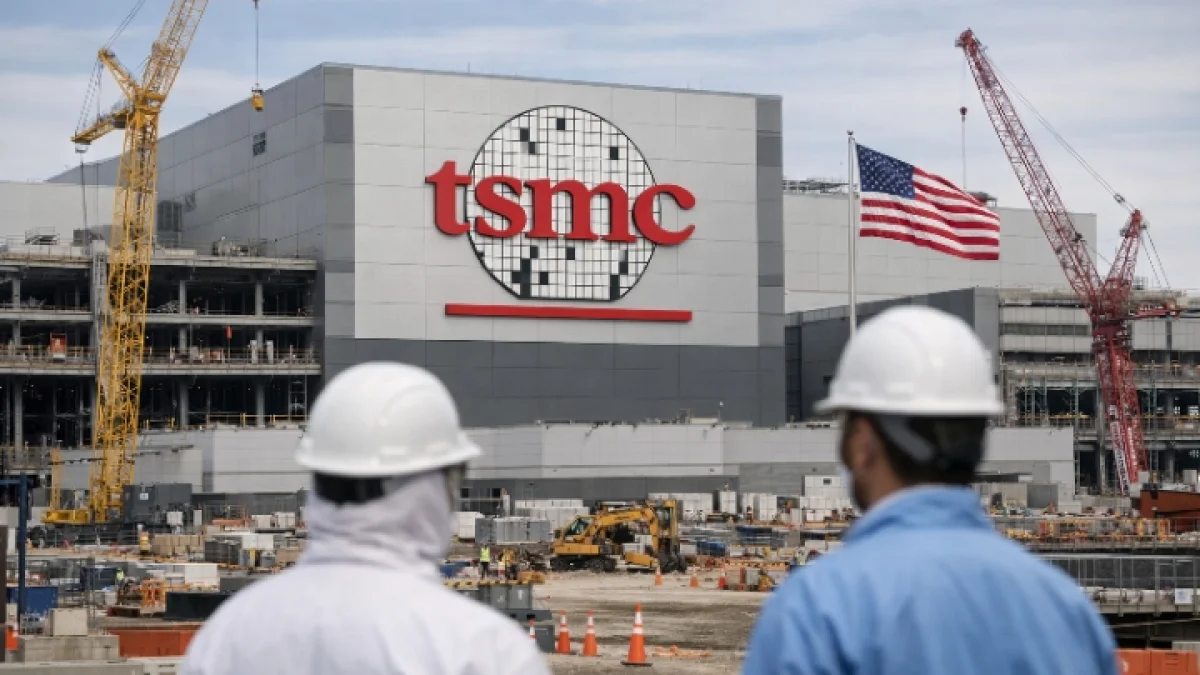
On artificial intelligence, Warsh said rapid investment in computing infrastructure could temporarily influence prices without necessarily indicating persistent inflationary pressure, adding that productivity gains and supply responses would need to be evaluated over time. He also avoided discussing any private communications with President Donald Trump, saying the Federal Reserve's policy decisions would remain independent and guided by its statutory mandate.
Members of the committee pressed the Fed chair on how the central bank would respond if inflation remained elevated while economic growth slowed. Warsh reiterated that policymakers would weigh a wide range of incoming data rather than rely on any single indicator and said financial markets should focus on economic fundamentals instead of attempting to infer policy from central bank commentary.
The House hearing marked the first of Warsh's two appearances before Congress as part of the Federal Reserve's semiannual reporting requirement. He was scheduled to deliver the same Monetary Policy Report to the Senate Banking Committee the following day, with investors continuing to monitor congressional testimony and forthcoming economic data ahead of the Federal Open Market Committee's next policy meeting.