In the days after Belfast’s anti-immigration riots, some of the city’s ethnic minority families began the difficult process of returning to ordinary routines after nights that forced them from homes, workplaces and neighbourhoods.
For Ugandan care workers Sumayah Nakazibwe and Stella Ariokot, the violence turned a place they had built their lives into a place they had to escape. The two women were among residents trapped inside a home in north Belfast as rioters targeted properties in their area. Reports said they remained inside for hours while violence and fires spread nearby before being evacuated.
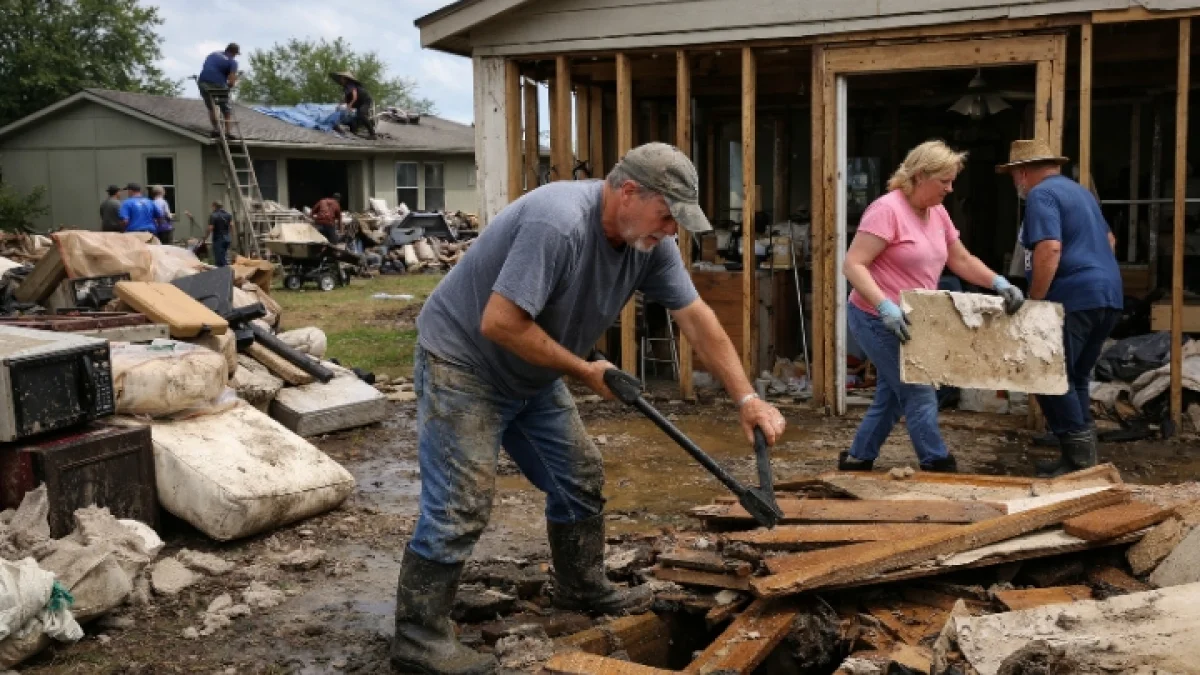
Their experience became part of a wider story across Belfast in June 2026: ethnic minority families who had arrived to work, study and raise children found themselves displaced after unrest that followed a knife attack and quickly developed into attacks on migrant and minority communities. Authorities, community groups and residents have since focused on emergency accommodation, repairs and helping families rebuild.
The violence exposed the vulnerability of a growing but still relatively small ethnic minority population in Northern Ireland. The 2022 census recorded more than 65,000 people from ethnic minority backgrounds in a population of about 1.9 million, according to figures cited by Al Jazeera. Community organisations said the unrest forced families to rely on emergency support networks as they searched for temporary places to stay and ways to replace lost belongings.
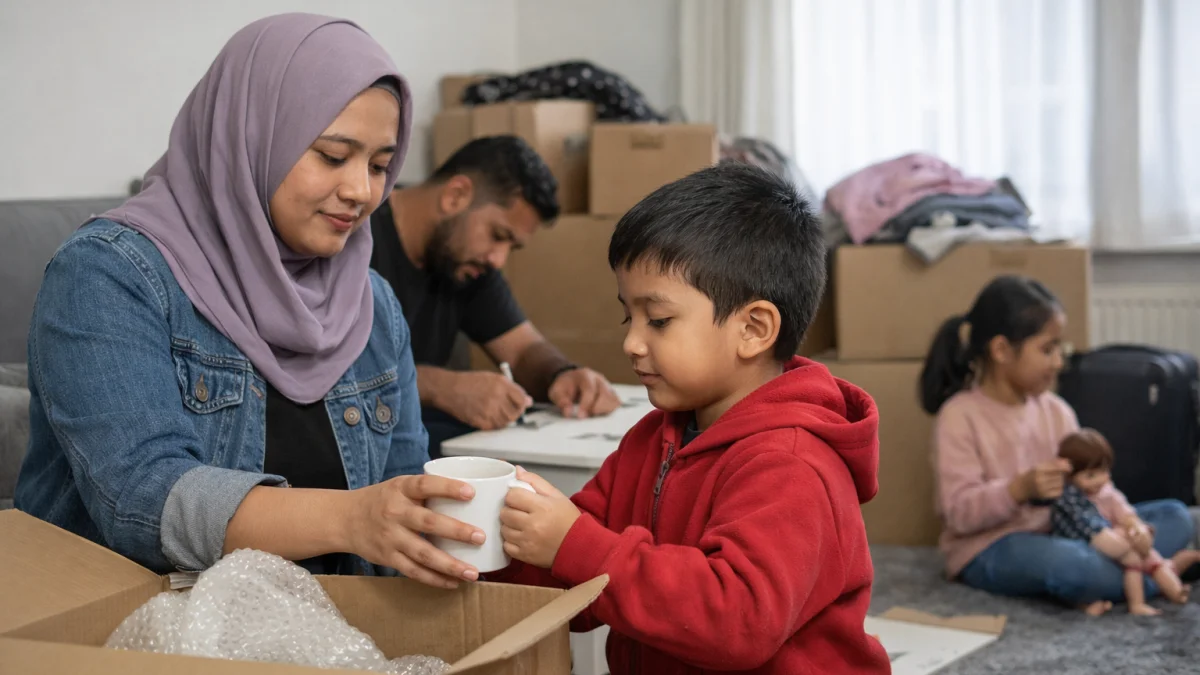
For many displaced residents, rebuilding has meant more than finding another room or repairing damaged property. It has meant restoring a sense of stability after their homes became symbols of fear.
Northern Ireland’s Housing Executive said it assisted households affected by the unrest, while community organisations coordinated transport, emergency supplies and accommodation support. The Housing Executive later said it had assisted 29 households in the immediate aftermath, while officials reported dozens more contacts from affected residents seeking help.
The attacks unfolded after a knife attack in Belfast left a man seriously injured. Police charged a Sudanese man in connection with the incident, but the response that followed included violence directed at unrelated ethnic minority residents and businesses. The victim’s family publicly appealed for calm and condemned the use of the incident to justify attacks.
Community leaders said the disorder affected people who had no connection to the original incident. Sudanese, Romanian, African and other minority communities reported fear as homes, cars and businesses were targeted. Some residents described leaving their neighbourhoods temporarily while waiting for the situation to calm.
The aftermath has also highlighted the role of local networks. Migrant support groups, charities and neighbours helped families with practical needs, including temporary shelter and basic supplies. A fundraiser organised to support people affected by the attacks said assistance would go toward emergency accommodation, transport and urgent needs for families displaced by the violence.
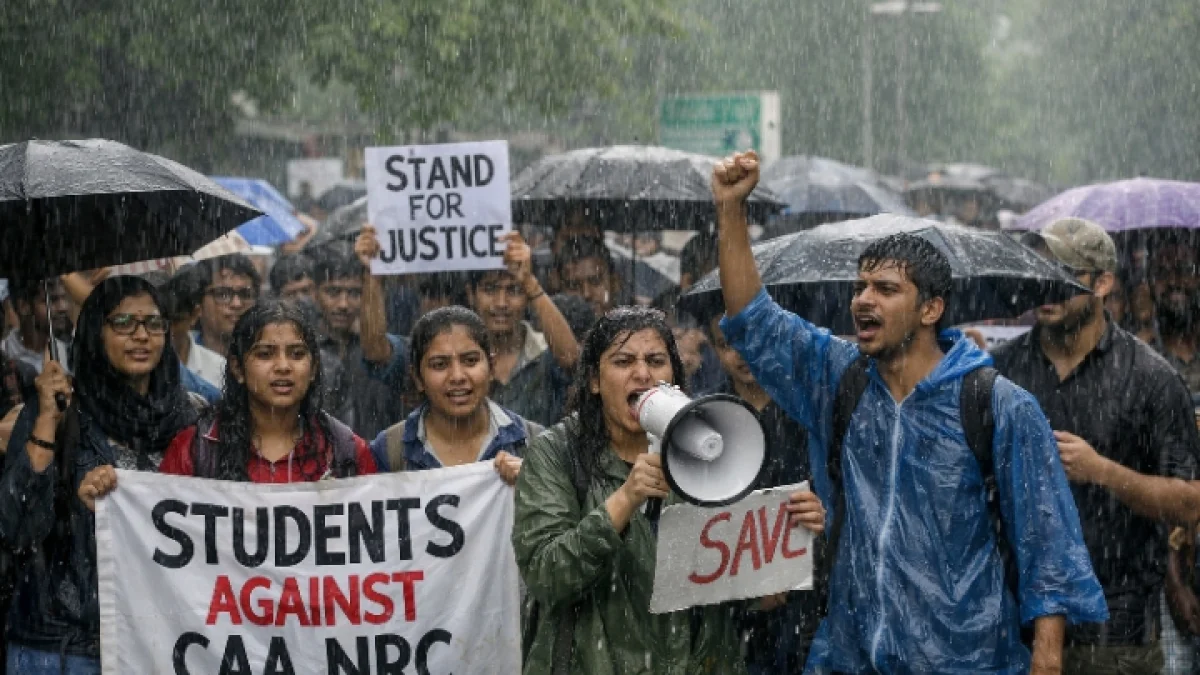
For Belfast, a city shaped by decades of conflict during the Troubles, the unrest brought renewed concerns about division and community relations. Police and political leaders condemned the attacks, while community representatives argued that misinformation and online mobilisation had contributed to the escalation of violence.
The recovery process has taken place alongside a broader debate in Northern Ireland about immigration, housing and social change. Some residents have raised concerns about pressure on public services, while others have rejected blaming entire communities for individual acts of violence. Religious leaders and community figures called for calm and stressed the importance of distinguishing between criminal responsibility and the actions of wider ethnic groups.
For families who lost homes or felt forced to leave familiar streets, the weeks after the riots have been about rebuilding daily life step by step. Care workers, students, business owners and parents have had to navigate the practical consequences of displacement while trying to continue their lives in Belfast.
The experience of families such as Nakazibwe and Ariokot has become a reminder of how quickly social tensions can affect people who have spent years building connections in a community. Their recovery, supported by neighbours and local organisations, reflects the wider effort underway to repair both damaged homes and damaged trust after one of Belfast’s most serious outbreaks of anti-immigrant violence in recent years.