WASHINGTON — Members of Congress and South Carolina political leaders are preparing for a fast-moving process to fill the electoral vacancy created by the death of U.S. Senator Lindsey Graham, with state law requiring a special Republican primary to determine the party's nominee for November's general election while an interim senator is appointed to serve the remainder of the current term.
Graham, a Republican who had already secured his party's nomination for another Senate term, died on July 12 after what his office described as a brief illness. His death leaves South Carolina officials responsible for both appointing a temporary replacement to complete his current term and organizing an expedited nomination process ahead of the November election.
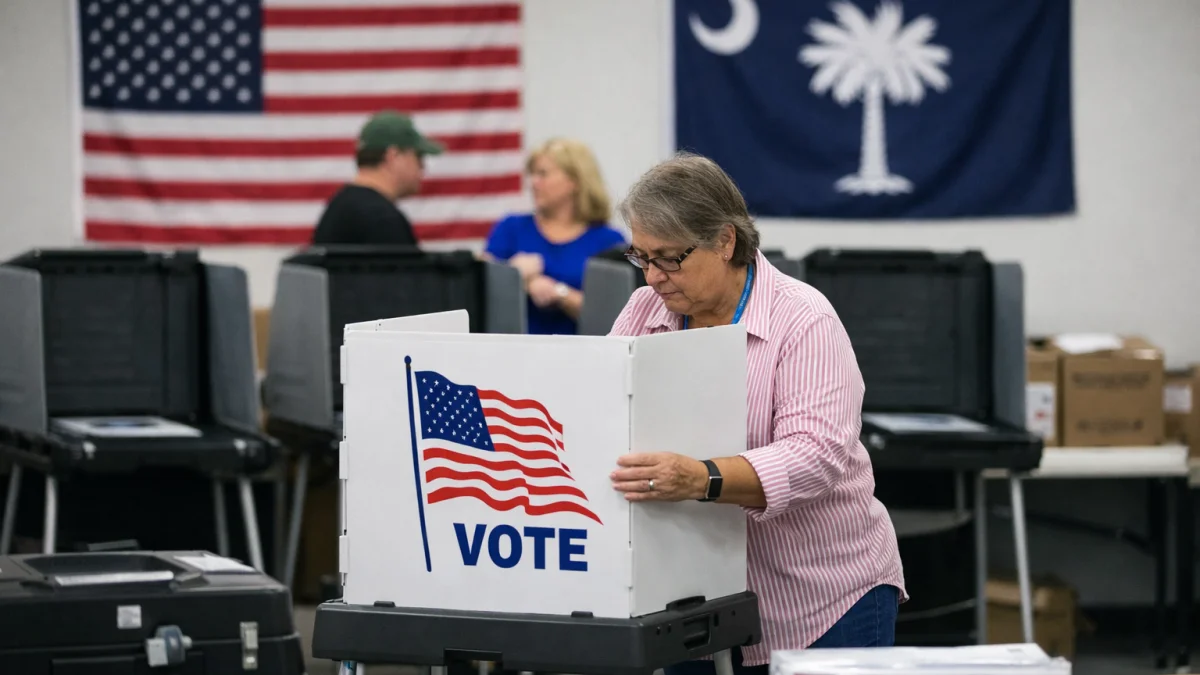
Under South Carolina law, Governor Henry McMaster is authorized to appoint an interim senator. Separately, because Graham had already won the Republican primary, state election procedures require a special primary to select a new Republican nominee for the November ballot. State election timelines indicate candidate filing could begin as early as July 21, with the special primary scheduled for Aug. 11 and a runoff, if necessary, two weeks later.
The Democratic nominee, physician Annie Andrews, remains the party's candidate for the November general election, according to state election procedures. The winner of the Republican special primary would face Andrews in the regularly scheduled election.
Potential Republican contenders have begun weighing campaigns, although no official candidate list has been finalized. Representative Nancy Mace is among those considering a bid, according to people familiar with her plans cited by multiple media outlets, while other South Carolina Republicans have also been mentioned as possible candidates. Governor McMaster had not announced an interim appointment as of Sunday.
Congressional leaders from both parties paid tribute to Graham, who served in the Senate since 2003 after four terms in the U.S. House of Representatives. His death prompted condolences from political allies and opponents alike, while attention quickly shifted to the succession process outlined in South Carolina law.
State officials are expected to release additional details on candidate filing and election administration in the coming days as preparations continue for the special primary and Governor McMaster considers an appointment to fill the Senate vacancy on an interim basis.