BELFAST — Recent anti-immigrant violence in Belfast has prompted U.S. experts on far-right extremism to examine the possible role of transnational networks, including so-called "active clubs," in coordinating rapid mobilization during the unrest.
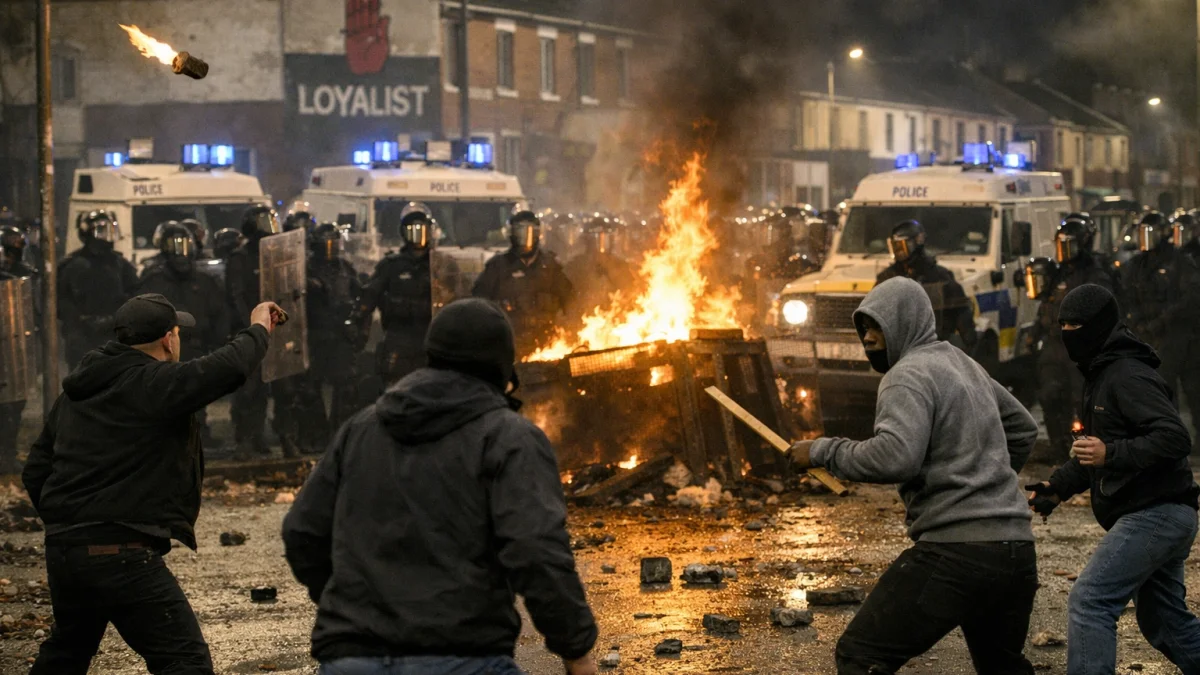
The riots erupted on June 9, 2026, following a stabbing the previous evening in north Belfast in which a 44-year-old local man, Stephen Ogilvie, was seriously injured. Police arrested a Sudanese asylum seeker in connection with the attack. Video of the incident spread rapidly online, fueling protests that escalated into two nights of disorder. Masked groups targeted homes and businesses in areas with immigrant residents, setting vehicles and properties ablaze and forcing families to flee.
Authorities said the violence displaced around 27 people, with reports of ethnic minorities, including Romanian, Sudanese and Ukrainian families, driven from their homes. Police deployed water cannons and made at least 23 arrests, while a number of officers were injured. Anti-racism rallies drew thousands in Belfast and elsewhere in the days that followed.
The unrest has drawn attention from researchers tracking global far-right activity. U.S.-based analysts noted a flurry of social media activity by "active clubs" — decentralized neo-Nazi youth networks centered on combat sports and physical training — before and during the riots. Some reports suggested these groups helped orchestrate or amplify the violence, marking a potential escalation.
Wendy Via, cofounder and president of the Global Project Against Hate and Extremism, stated that active club networks quickly positioned themselves as a support system for the unrest. "Active Clubs, the fastest growing neo-Nazi movement around the globe, never miss an opportunity to exploit a tragedy for their own hateful purposes," she said.
Sid Venkataramakrishnan, an analyst at the Institute for Strategic Dialogue, cautioned against over-attributing the violence solely to such networks, citing Northern Ireland's history of sectarian tensions and existing loyalist groups. "Even if I suspect the active clubs hadn't been promoting this, you'd still see violence in Belfast as you've seen in countless other cities," he told NPR.
The episode forms part of broader U.K. anti-immigration protests in 2025-2026, with similar incidents reported in England. Far-right figures, including Tommy Robinson, amplified calls for demonstrations online. Social media platforms faced warnings from regulators over content inciting violence.
Northern Ireland police received prior warnings about targeted addresses from monitoring groups, with hit lists circulating among anti-immigration activists as early as 2025.
As of June 30, calm has largely returned to affected areas, though community leaders report ongoing fear among minority residents. Anti-racism organizers held major rallies condemning the violence and affirming solidarity with immigrants. Officials continue to investigate the disorder, with some cases referred to the Police Ombudsman.
U.S. experts say the Belfast events highlight the speed with which transnational far-right networks can exploit local incidents via digital platforms. Further details on any organizational involvement remain under examination by authorities and researchers.