WASHINGTON — A Senate amendment to the annual National Defense Authorization Act (NDAA) would strengthen protections for the political speech of retired military personnel, according to lawmakers and advocacy groups, as Congress continues work on the fiscal 2027 defense policy bill.
The amendment was introduced during Senate consideration of the NDAA amid an ongoing debate over the extent to which retired service members remain subject to military regulations when engaging in public and political speech. Supporters say the measure is intended to clarify that military retirees retain constitutional free speech protections and should not face punitive actions solely for expressing political views as private citizens. Details of the amendment’s final language and scope remain under review as the legislation advances through Congress.
The proposal follows several months of public discussion surrounding the treatment of retired military officers who have commented on political issues. Advocacy organizations and legal groups have argued that retirees should not be subjected to restrictions comparable to those applied to active-duty personnel. In April, the organization National Security Leaders for America filed a court brief arguing that retired service members “retain substantially greater freedom to engage in public and political speech” than active-duty members.
Supporters of the amendment contend that explicit statutory protections are needed to prevent uncertainty regarding retirees’ rights. According to statements from advocates backing the proposal, the measure is designed to ensure that political expression alone cannot serve as the basis for adverse personnel actions affecting retirement status or benefits. Details of how the amendment would interact with existing military law remain unclear.
Opponents and some legal observers have cautioned that Congress must balance constitutional protections with longstanding provisions governing retired military personnel, who in certain circumstances remain subject to aspects of military jurisdiction. They have argued that any legislative changes should preserve the military’s ability to address conduct that affects good order and discipline while protecting lawful speech. Details of objections raised during Senate deliberations were not immediately available.
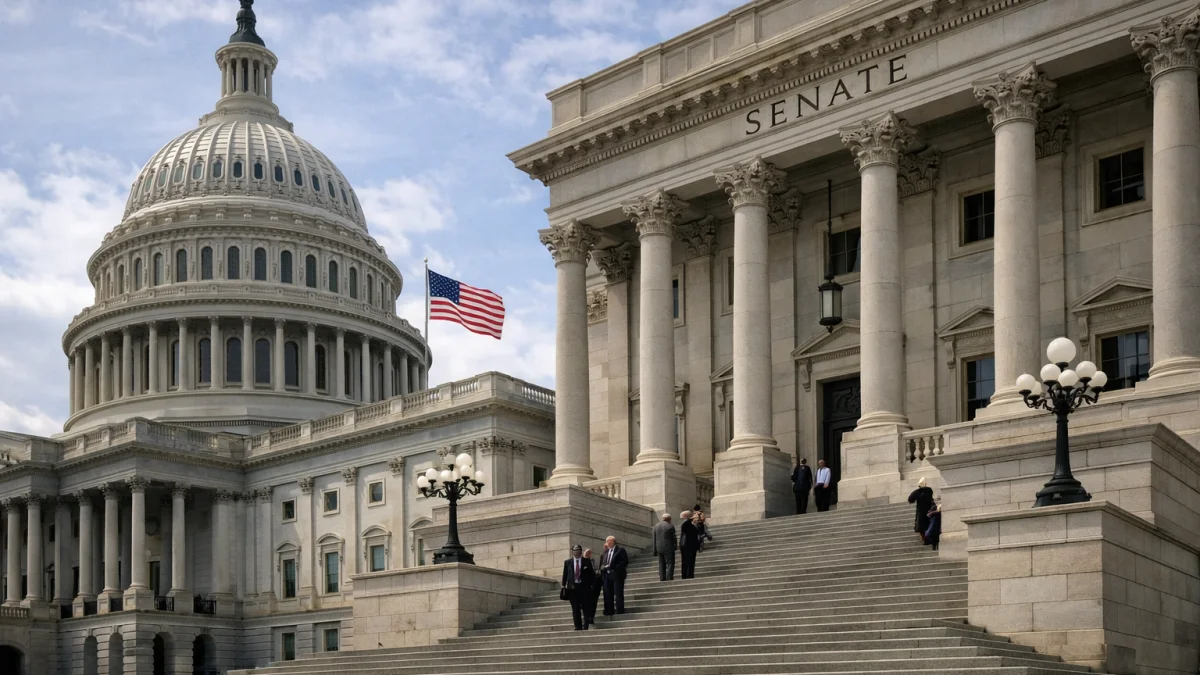
The NDAA is considered must-pass legislation that authorizes defense programs and policies each year. The Senate Armed Services Committee approved its version of the fiscal 2027 bill earlier this month after considering hundreds of amendments. The legislation now awaits further Senate action before lawmakers reconcile differences with the House version.
“This is about protecting constitutional rights while maintaining respect for military service,” supporters of the proposal said in statements released during the debate. Details of any final compromises on the amendment have not yet been announced.
As of June 24, 2026, the amendment had not yet become law, and its ultimate fate will depend on Senate floor consideration and subsequent negotiations between the House and Senate on a final NDAA package.