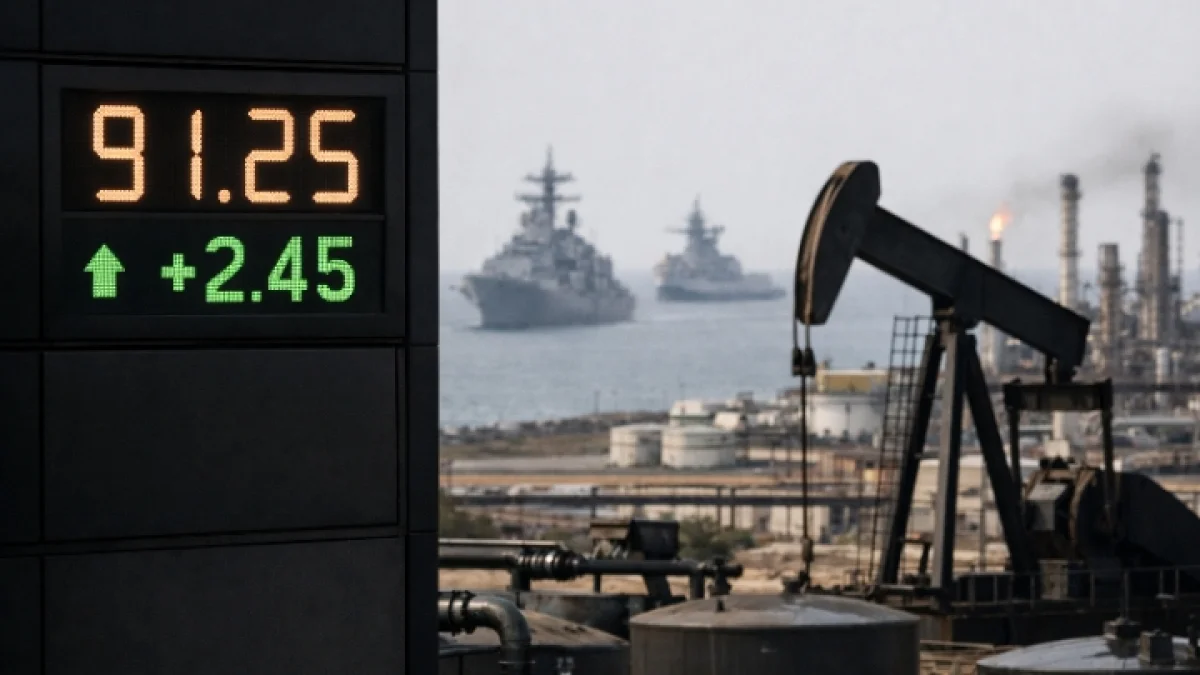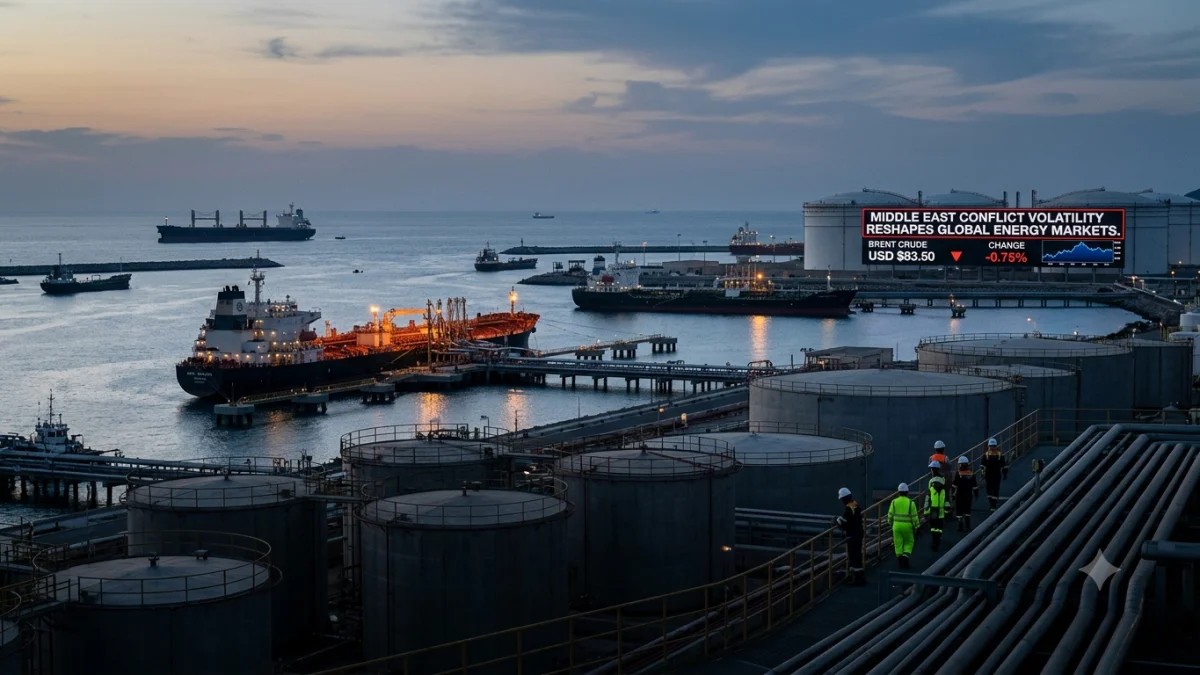
Oil price volatility driven by renewed conflict in the Middle East has become a defining force in global energy markets, underscoring how geopolitical risks continue to outweigh underlying supply-and-demand fundamentals despite years of investment in more diversified energy systems. The latest escalation involving the United States and Iran, together with renewed disruptions around the Strait of Hormuz, has returned security of supply to the center of economic policymaking and commercial decision-making.
The significance extends beyond short-term movements in crude benchmarks. While oil prices have experienced sharp swings rather than a sustained upward trajectory, analysts say volatility itself has become a major economic challenge. Wide price fluctuations complicate planning for producers, refiners, airlines, manufacturers and governments, increasing hedging costs and creating uncertainty over investment and inflation.
The Strait of Hormuz remains central to these concerns. The waterway normally carries roughly one-fifth of globally traded crude oil and petroleum products, making it one of the world's most strategically important maritime chokepoints. Although alternative export routes through Saudi Arabia and the United Arab Emirates have reduced some dependence on the strait, official assessments indicate those alternatives cannot fully replace its capacity during prolonged disruptions.
Recent market behavior illustrates this changing dynamic. During periods when ceasefire agreements appeared likely to restore shipping, benchmark crude prices retreated sharply. Renewed military action, however, quickly reversed part of those declines as traders reassessed the probability of further supply interruptions. The International Energy Agency has warned that renewed hostilities could alter expectations that the oil market would gradually move toward surplus conditions, highlighting how geopolitical developments continue to dominate price formation.
At the same time, the magnitude of price increases has been more limited than many analysts initially expected following the first disruptions. The International Monetary Fund attributes that resilience to several temporary buffers, including previously available spare production capacity, weaker global demand, inventory drawdowns and alternative export routes. Those factors helped prevent a supply shock comparable to earlier historical oil crises. The IMF cautions, however, that many of those buffers have diminished, leaving markets potentially more vulnerable to future disruptions.
Official market data also suggest that adaptation has occurred alongside disruption. The U.S. Energy Information Administration reported that international buyers shifted purchases toward alternative suppliers while U.S. refiners increased production and exports during the second quarter. Such adjustments helped offset some shortages but also contributed to changing regional trade patterns and higher refining margins.
Governments have increasingly responded through energy security measures rather than relying solely on market adjustments. Several countries have reviewed strategic petroleum reserves, encouraged fuel stockpiling and sought to diversify import sources. These policies reflect lessons from previous supply disruptions, including the 1973 oil embargo, the Iran-Iraq War and the 1990 Gulf War, when physical supply interruptions translated into prolonged economic shocks.
The current environment differs from those earlier crises in several respects. Global oil production is more geographically diversified, the United States has become a significantly larger producer, and renewable energy accounts for a growing share of electricity generation in many economies. Nevertheless, oil remains essential for transportation, petrochemicals, aviation and shipping, meaning sudden disruptions continue to have broad macroeconomic consequences.
Financial markets have likewise adjusted their assessment of geopolitical risk. Energy futures have exhibited heightened volatility as traders rapidly price changing military developments and diplomatic announcements. Analysts note that markets increasingly react not only to actual production losses but also to perceived risks affecting shipping insurance, freight costs and tanker availability. This has widened the influence of geopolitical events beyond physical oil balances alone.
For oil-exporting economies, higher prices can generate additional fiscal revenues if exports continue uninterrupted. For importing countries, however, sustained price volatility increases inflation risks, raises transportation costs and complicates monetary policy. Central banks therefore continue monitoring energy prices closely because persistent increases can feed into broader consumer prices even if underlying inflation pressures remain moderate.
Corporate responses also illustrate the market's evolving structure. Energy companies have emphasized operational flexibility, while industrial consumers have expanded hedging strategies to reduce exposure to sudden price movements. Airlines, shipping companies and manufacturers have similarly reassessed fuel procurement and inventory management as uncertainty surrounding Middle Eastern supply persists.
Another notable development has been the increased emphasis on energy diversification. Policymakers and international institutions argue that expanding renewable generation, strengthening electricity networks and improving energy efficiency can reduce vulnerability to oil supply shocks over time. The IMF identifies diversification alongside rebuilding inventories as one of the principal lessons emerging from the current disruption.
The immediate outlook nevertheless remains closely tied to developments in the Gulf. Official agencies continue monitoring shipping through the Strait of Hormuz, regional production levels, commercial inventories and diplomatic efforts to reduce hostilities. While global markets have so far absorbed repeated disruptions better than initially feared, verified assessments from international energy institutions indicate that available buffers have narrowed, leaving future price movements increasingly dependent on whether security conditions stabilize and normal energy flows can be maintained.