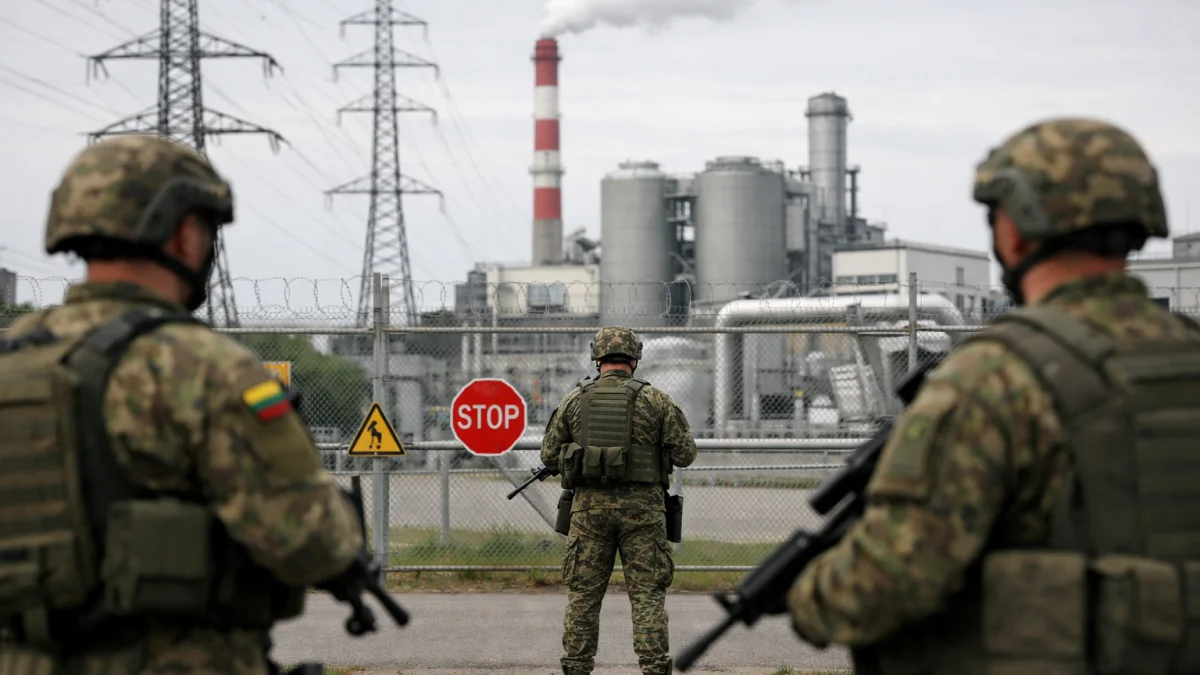
VILNIUS — Lithuania has warned that intelligence indicates Russia may be preparing limited attacks against critical infrastructure in the Baltic region, prompting authorities to strengthen security around key energy and transport facilities as tensions remain elevated along NATO's eastern flank.
President Gitanas Nausėda said Lithuanian intelligence services had received indications that Russia could be planning targeted "kinetic" operations against critical infrastructure, although officials have not identified a specific location or timeframe for any potential attack. According to Nausėda, the information points to planning activity rather than confirmation that an operation is imminent.
The president said Lithuania had increased security measures around strategic energy and transportation facilities as a precaution, describing those assets as essential to the country's infrastructure and the wider functioning of regional energy networks.
The warning was echoed by Latvian President Edgars Rinkēvičs, who said intelligence shared among NATO member states suggested Russia had previously attempted acts of sabotage against alliance members. Rinkēvičs did not specify which countries had been targeted but said the information underscored the need for continued vigilance across the region.
The latest statements follow similar warnings from officials in Poland and other countries on NATO's eastern flank that Russia could resort to limited military or hybrid actions, including sabotage, drone operations or attacks on critical infrastructure, while avoiding a broader conventional confrontation. Regional leaders have said such actions could be intended to test NATO's resolve and response mechanisms.
The Kremlin rejected Lithuania's allegations. Kremlin spokesperson Dmitry Peskov dismissed the claims as unfounded and accused NATO governments of using such warnings to justify expanding the alliance's military infrastructure in the Baltic states. Russia has repeatedly denied planning attacks against NATO members.
Lithuania, Latvia and Poland have significantly strengthened defense and border security since Russia's full-scale invasion of Ukraine in 2022. The Baltic states have also increased protection of critical infrastructure amid repeated concerns over cyberattacks, sabotage and other hybrid threats affecting Europe.
Lithuanian officials have not announced additional emergency measures beyond the heightened protection of key infrastructure, and no attack has been reported. Authorities said security services will continue monitoring intelligence and coordinating with NATO allies as the situation develops.