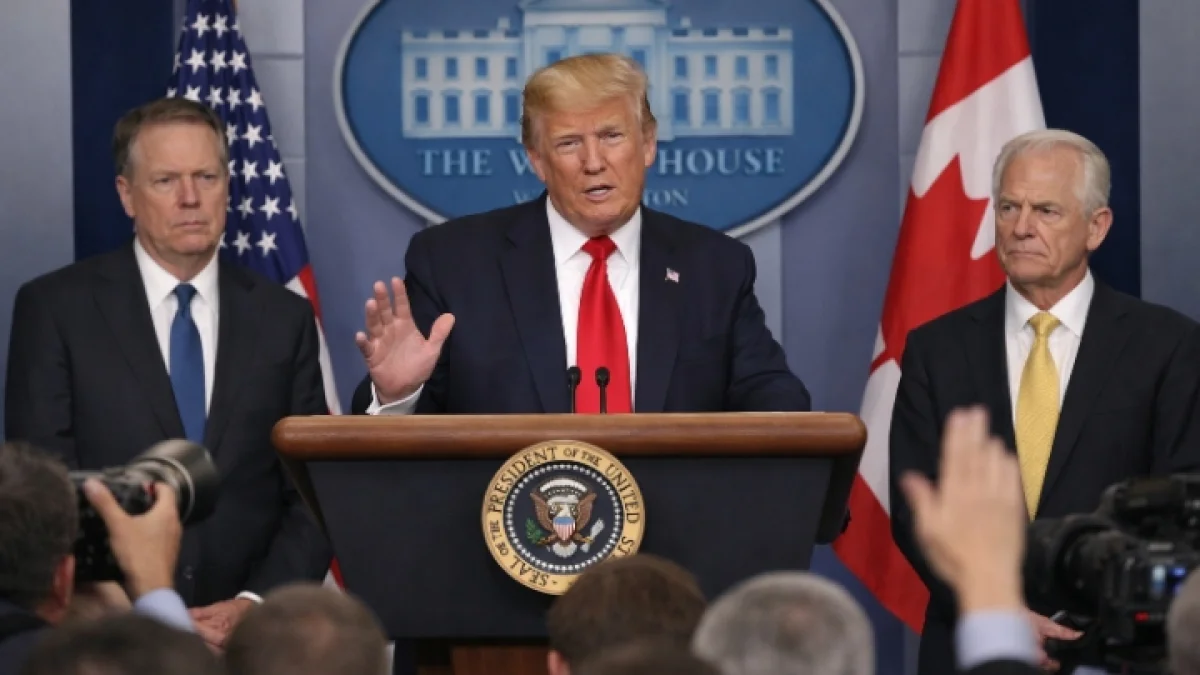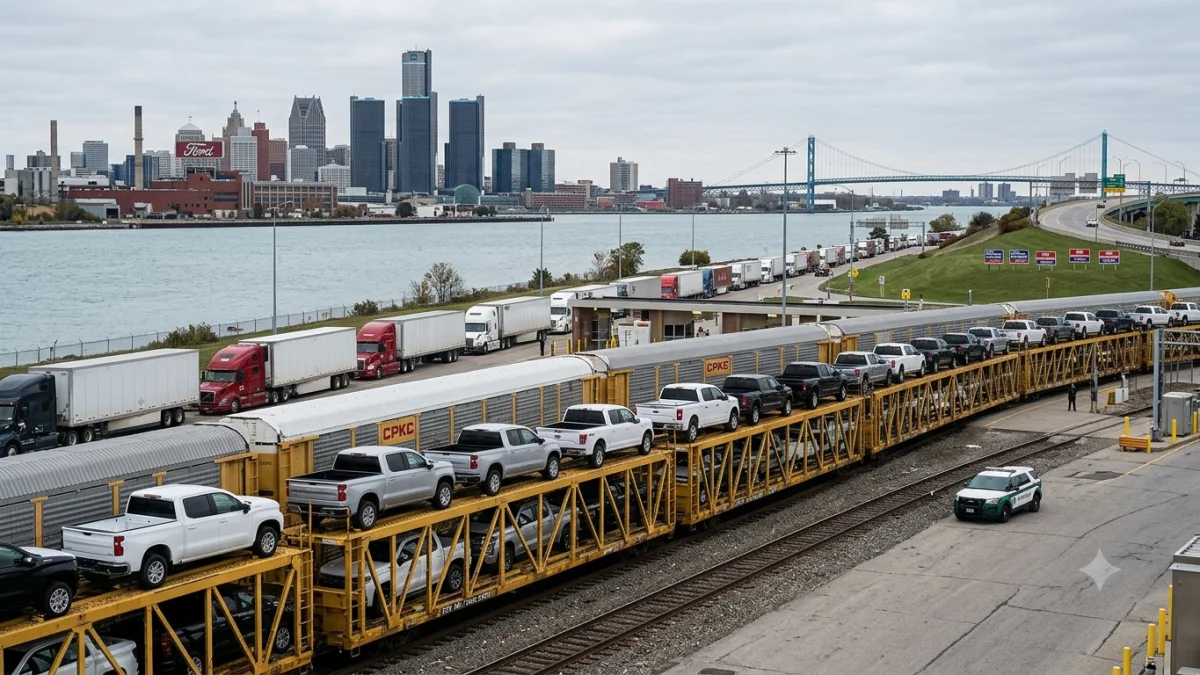
President Donald Trump's decision to impose new 50% tariffs on roughly $20 billion of Canadian goods marks the sharpest escalation in U.S.-Canada trade tensions since the beginning of his second term, testing one of North America's closest economic relationships while adding political risk ahead of the 2026 U.S. midterm elections. The measures, announced under the rarely used Section 338 of the Tariff Act of 1930, target a broad range of Canadian products and are scheduled to take effect after a 30-day period intended to allow further negotiations.
The significance extends beyond the immediate trade dispute. The action illustrates how the Trump administration has continued to rely on tariffs as a central instrument of economic and industrial policy even after earlier legal challenges narrowed the executive branch's ability to impose broad-based import duties. By invoking a different statutory authority, the administration has sought to preserve leverage over trading partners while reinforcing its "America First" trade agenda before voters head toward congressional elections.
The White House argues that Canada has discriminated against U.S. exports, particularly automobiles, dairy products and alcoholic beverages, and says the tariffs are intended to restore reciprocity. According to the administration, the measures apply regardless of whether products qualify under the U.S.-Mexico-Canada Agreement (USMCA), although energy products, potash, fish and several strategically important commodities remain exempt. The administration has also emphasized that it declined to renew the USMCA in its previous form, reflecting broader dissatisfaction with existing trade arrangements.
Canada has rejected the U.S. allegations. Prime Minister Mark Carney has described the tariffs as inconsistent with the trade agreement and argued that they will increase costs for consumers while disrupting integrated North American supply chains. Canadian officials have said they remain prepared to intensify negotiations, even as provincial leaders have discussed possible retaliatory measures should the tariffs proceed as planned.
The dispute underscores the complexity of U.S.-Canada economic integration. The two countries maintain one of the world's largest bilateral trading relationships, with manufacturing sectors—particularly automobiles, machinery and industrial goods—dependent on components crossing the border multiple times before final assembly. While exemptions for energy and critical minerals reduce risks for strategically sensitive industries, tariffs on manufactured consumer goods could still increase production costs for businesses operating on both sides of the border.
The political timing is equally significant. Trade policy has become an increasingly prominent element of Trump's economic message, with the administration arguing that higher tariffs encourage domestic investment and strengthen manufacturing. Officials cite recent manufacturing indicators and investment announcements as evidence that the strategy is working. However, economists caution that tariffs also function as taxes on imported goods, potentially raising prices for businesses and consumers depending on the availability of domestic alternatives.
That tension is likely to shape the domestic political debate as the midterm campaign develops. Supporters argue that confronting long-standing trade imbalances demonstrates a willingness to protect American industries and workers. Critics, including some economists and business organizations, warn that renewed trade disputes with close allies could complicate supply chains, contribute to inflationary pressures and weaken business certainty at a time when companies continue adjusting to previous rounds of tariff changes.
The legal dimension also carries broader implications. Section 338 has rarely been used in modern U.S. trade policy, making its deployment notable following court scrutiny of earlier tariff authorities. Analysts say the administration's reliance on an alternative statute reflects an effort to maintain aggressive trade policies while operating within a changing legal environment. Whether the new approach withstands future legal challenges could influence the scope of presidential authority over trade policy beyond the current dispute.
For Canada, the measures add another layer of uncertainty to an economy already adapting to evolving North American trade policies. The Bank of Canada has previously warned that prolonged tariff escalation could slow economic growth, reduce exports and place upward pressure on inflation, while also stressing that outcomes depend heavily on whether negotiations ultimately produce de-escalation or further retaliation.
The broader international signal may be equally important. Washington's willingness to impose new tariffs against one of its closest allies indicates that the administration's protectionist approach is not limited to strategic competitors. Other U.S. trading partners will likely assess whether similar legal mechanisms could be employed in future disputes, potentially influencing ongoing trade negotiations beyond North America.
For now, the confirmed situation is that the United States has announced new tariffs that are expected to take effect after a 30-day period unless negotiations alter the current plan. Canadian officials continue to oppose the measures while expressing willingness to negotiate, and businesses on both sides of the border are evaluating potential supply-chain and pricing effects. The principal uncertainties being monitored are whether bilateral talks produce a compromise, whether Canada adopts additional countermeasures, and whether the legal basis for the tariffs faces further judicial scrutiny.