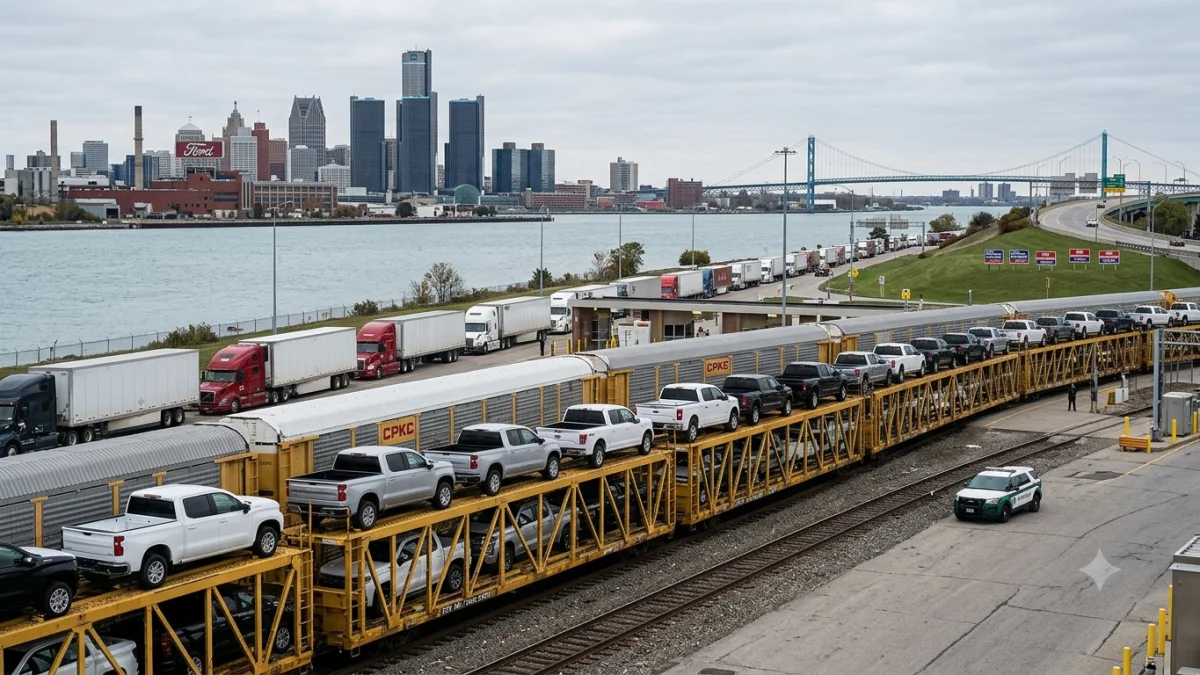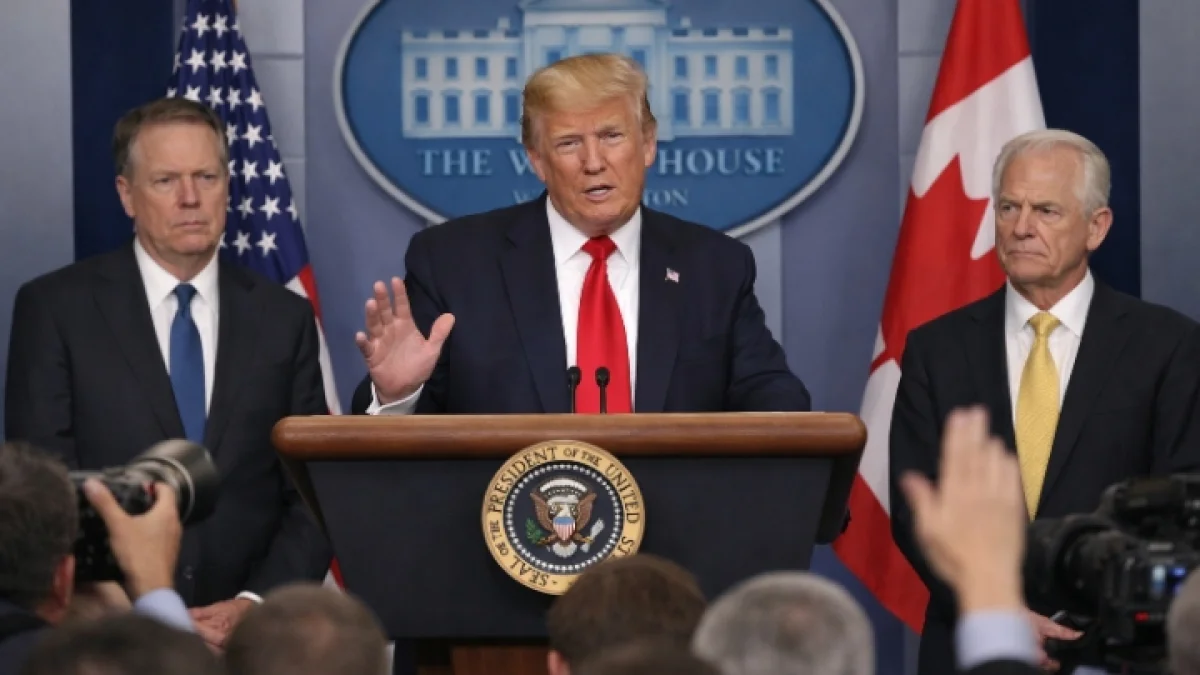
WASHINGTON — U.S. President Donald Trump has imposed new 50% tariffs on a broad range of Canadian imports, sharply escalating trade tensions with one of the United States' largest trading partners and invoking a rarely used provision of U.S. trade law that the administration says is intended to counter what it describes as discriminatory Canadian trade practices.
The White House said Trump signed three proclamations under Section 338 of the Tariff Act of 1930, authorizing additional duties on nearly $20 billion worth of Canadian goods. The administration said the measures target products linked to disputes over motor vehicles, alcoholic beverages and dairy, arguing that Canada has unfairly restricted U.S. exports in those sectors. The tariffs are scheduled to take effect on Aug. 19, 30 days after the proclamations were issued.
According to the White House, the duties will apply to covered products regardless of whether they qualify for preferential treatment under the U.S.-Mexico-Canada Agreement. Energy products, potash, critical minerals, fish and goods already subject to separate Section 232 tariffs are among the exemptions.
U.S. Trade Representative Jamieson Greer said the action was intended to respond to what he described as Canada's retaliation against earlier U.S. trade measures and its treatment of American automobiles, alcohol and dairy products. The administration said it acted after determining that Canadian policies placed U.S. commerce at a disadvantage.
Canadian Prime Minister Mark Carney said Ottawa viewed the new tariffs as another unilateral U.S. trade action and said Canada would continue efforts to defend its workers and businesses while pursuing negotiations over the broader trade relationship. Canadian officials have previously argued that their retaliatory measures were permitted responses to earlier U.S. tariffs.
The announcement prompted fresh diplomatic strain between the neighboring countries. Canadian authorities canceled plans for a joint ceremony marking the opening of the Gordie Howe International Bridge, saying the event was no longer appropriate under the circumstances, while confirming the bridge remains scheduled to open to traffic later this month.
The latest tariffs mark one of the most significant U.S. trade actions against Canada since Trump's return to office and represent the first use of Section 338 in decades. The administration has indicated the measures are intended to pressure Canada to remove what it considers discriminatory trade barriers, while Canadian officials say discussions on the dispute will continue.