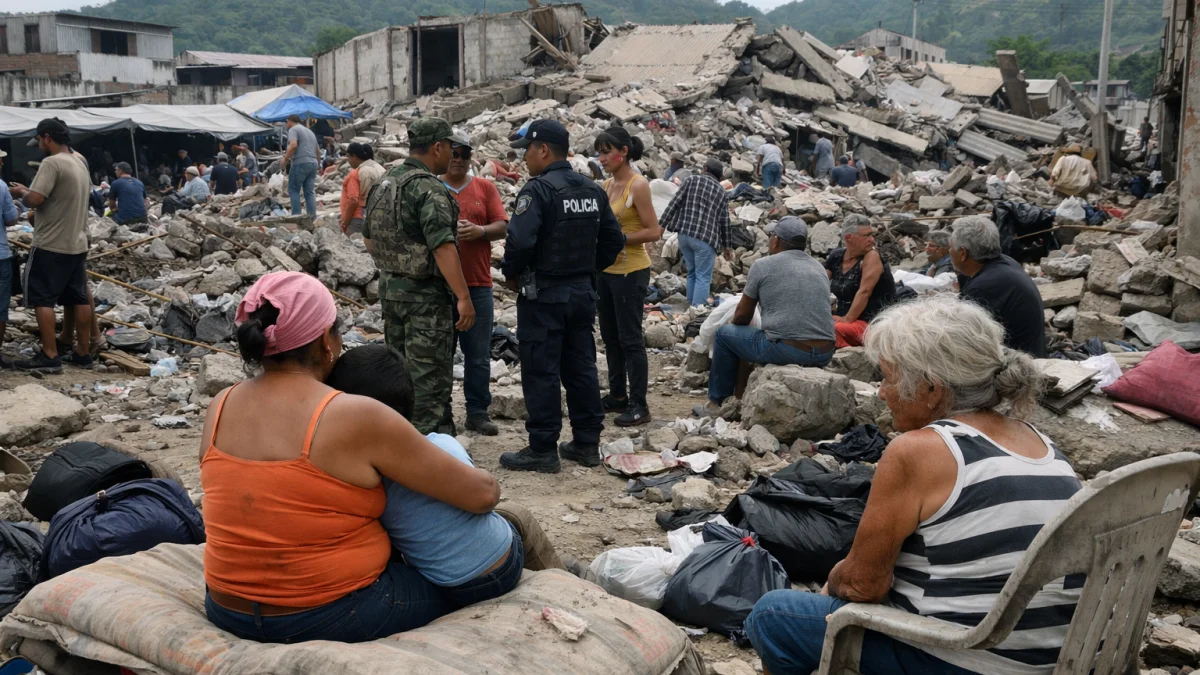
LA GUAIRA, Venezuela — Survivors of Venezuela's devastating twin earthquakes voiced growing frustration on Wednesday over what they described as a slow and inadequate government response, as volunteers continued searching collapsed buildings while international relief operations expanded across the country's hardest-hit regions.
Residents in communities near Caracas and the coastal state of La Guaira said they had relied largely on neighbors, local organizations and volunteers for food, water and rescue efforts following the June 24 earthquakes, which authorities have described as the strongest to strike the country in a century. Many said heavy equipment and official assistance arrived only after critical days had passed.
Alexander Delgado, a physical education teacher who has organized volunteer rescue teams, said civilians equipped mainly with shovels, ropes and their hands had taken the lead in searching for survivors trapped beneath collapsed apartment buildings. Other residents said they were still waiting for debris removal, structural inspections and clearer information about housing assistance.
The disaster has killed nearly 2,000 people and injured more than 10,000, according to the latest official figures cited by Venezuelan authorities, while thousands remain unaccounted for and tens of thousands have been displaced. Rescue operations have continued despite diminishing prospects of finding additional survivors beneath the rubble.
Public anger has also focused on allegations that some members of the security forces obstructed aid deliveries, diverted donations or looted damaged buildings. Reuters reported that videos circulating on social media and witness accounts prompted investigations, while Venezuelan authorities said several officials had been detained in connection with alleged looting. The government has denied broader accusations of misconduct and has urged the public not to spread misinformation.
International assistance has increased in recent days. The United States has deployed more than 900 military personnel to support logistics, engineering and search-and-rescue operations, while aid agencies and foreign governments have sent emergency supplies, medical teams and specialized rescue units. Officials said international crews are helping restore damaged transport infrastructure to improve the flow of humanitarian assistance.
Hospitals continue to face shortages of medical supplies as doctors warn of rising risks from infected injuries, poor sanitation and overcrowded shelters. Aid organizations have cautioned that prolonged displacement and damaged infrastructure could deepen the humanitarian crisis unless relief reaches affected communities more quickly.
Authorities said rescue and relief efforts remain ongoing as emergency crews continue searching damaged neighborhoods and assessing the full extent of the destruction.