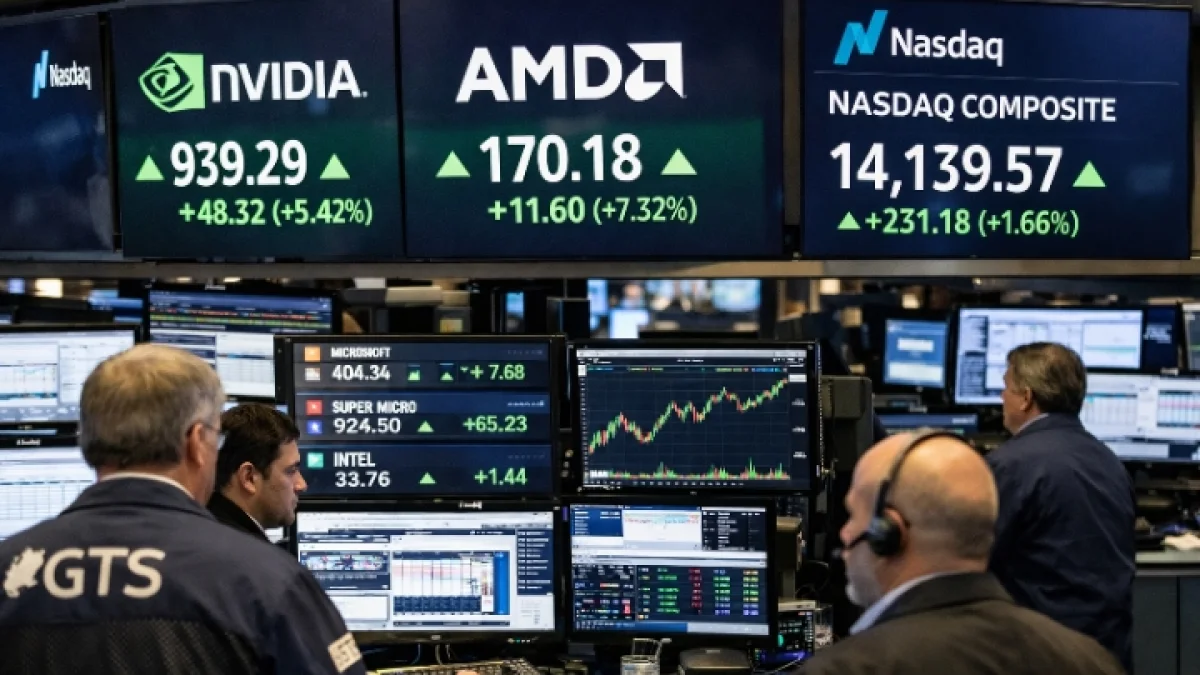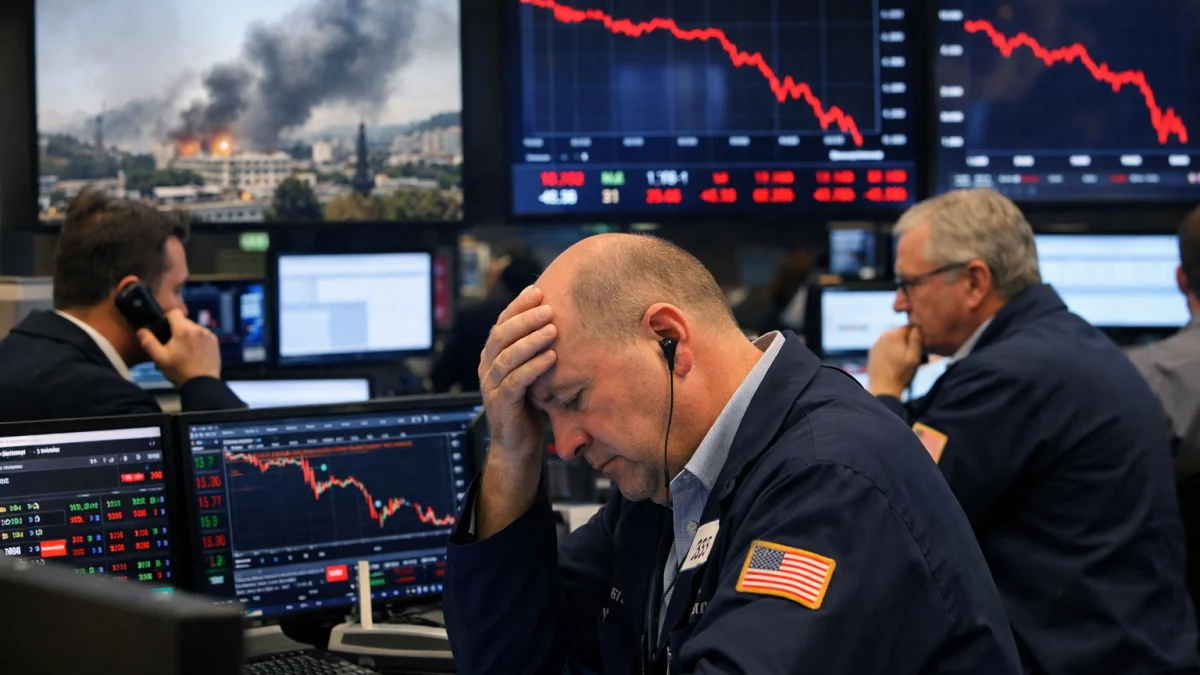
LONDON — Global stock markets traded cautiously on July 12 as investors weighed renewed geopolitical tensions in the Middle East against resilient corporate earnings expectations, with energy prices remaining a central driver of market sentiment.
Equity markets have experienced heightened volatility in recent days after renewed military activity involving the United States and Iran raised concerns about the security of shipping through the Strait of Hormuz, a key route for global oil exports. Brent crude climbed to multi-week highs earlier in the week before easing as investors assessed the likelihood of prolonged supply disruptions.
Wall Street initially came under pressure following the latest escalation, while demand for traditional safe-haven assets, including U.S. government bonds and the dollar, increased. Oil prices rose sharply as traders evaluated risks to global energy supplies, although the gains remained well below peaks reached during earlier stages of the regional conflict.
Market participants said investors continued to focus on whether geopolitical developments would materially disrupt oil production or tanker traffic, with many viewing energy prices as the principal transmission channel through which the conflict could affect inflation, monetary policy expectations and corporate profits.
"Obviously the market doesn't like these attacks ... but it's not full-blown panic mode," Jason Wong, senior strategist at BNZ in Wellington, told Reuters, reflecting a broader view that markets remain alert but have not priced in a worst-case scenario.
By the latter part of the week, major U.S. equity indexes recovered much of their earlier losses, supported by continued strength in technology shares and optimism ahead of the corporate earnings season. Investors also looked toward upcoming U.S. inflation data and central bank signals for clues about the outlook for interest rates.
Analysts said the resilience of equities suggested investors currently expect any disruption to energy supplies to be temporary rather than prolonged, although they cautioned that further escalation could quickly alter market sentiment.
The European Central Bank said in a recent analysis that geopolitical shocks affecting oil supplies have historically raised energy prices, increased market volatility and weighed on stock prices, while the ultimate impact has depended on the duration of supply disruptions and broader economic conditions.
Markets are expected to remain sensitive to developments in the Middle East in the coming days, with investors closely monitoring official statements from governments and any changes affecting energy infrastructure or shipping through the Gulf.