DURBAN — Workers stayed home, shops closed and public transport services were disrupted across parts of South Africa on Tuesday as authorities deployed police and military personnel ahead of nationwide anti-migrant protests that raised fears of renewed violence against foreign nationals.
The demonstrations were called by the anti-immigration group March and March, which had declared June 30 as a deadline for undocumented migrants to leave South Africa. Thousands of foreign nationals had already fled their homes or sought refuge in temporary shelters in recent weeks after threats and attacks targeting migrant communities.
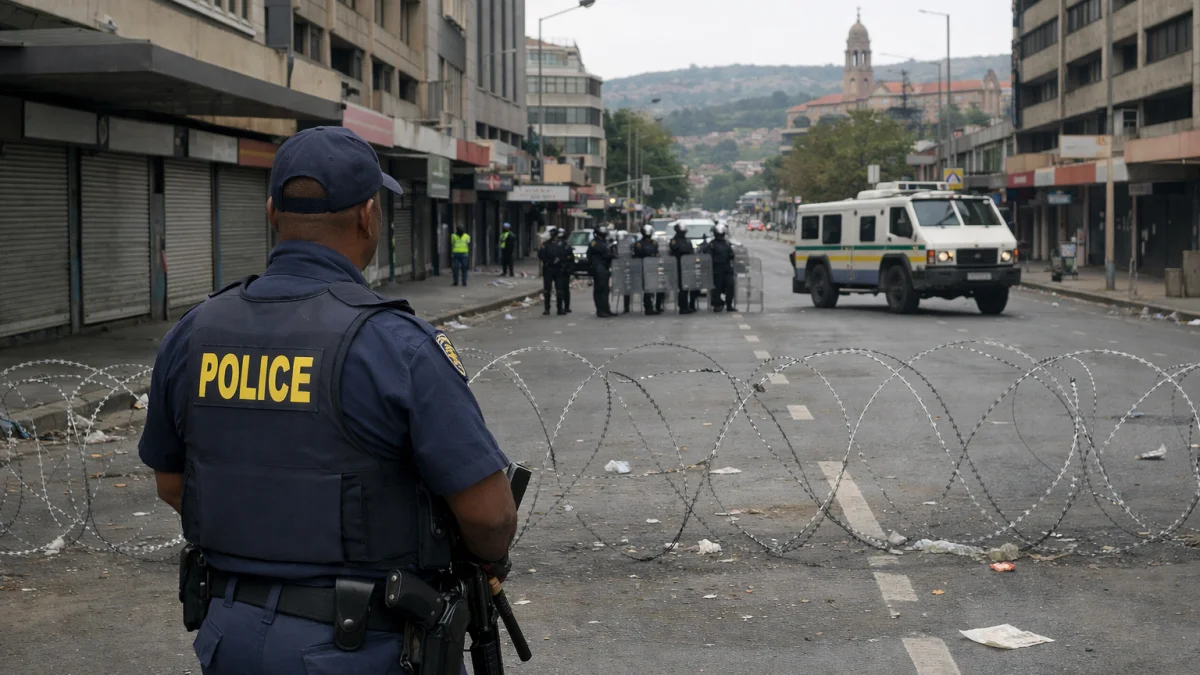
In Johannesburg, Durban and other cities, businesses shut their doors while many foreign workers stayed away from their jobs. Witnesses reported that some landlords had evicted migrant tenants, fearing their properties could become targets for vandalism or looting if unrest escalated.
Security forces established a visible presence in major urban centres, deploying armoured vehicles, helicopters and additional officers to deter violence. The National Joint Operational and Intelligence Structure said police and other security agencies had coordinated operations nationwide to maintain public order and respond to any criminal activity.
Demonstrators said they were protesting illegal immigration and called for stricter enforcement of immigration laws and faster deportations of undocumented migrants. Organisers maintained their marches were intended to be peaceful, but rights groups and community leaders warned that previous anti-foreigner demonstrations in South Africa had frequently resulted in attacks on migrants regardless of their legal status.
Several African governments, including Malawi, Nigeria, Ghana, Zimbabwe and Mozambique, organised transport for citizens wishing to return home after weeks of growing tensions. Thousands of migrants gathered at temporary camps or outside consulates while awaiting evacuation.
President Cyril Ramaphosa condemned violence and intolerance while reiterating that immigration laws must be enforced by the state rather than vigilante groups. Authorities have also increased efforts to deport undocumented migrants, saying more than 25,000 foreign nationals had been repatriated in recent weeks.
South Africa has experienced repeated outbreaks of xenophobic violence over the past two decades. Protesters have blamed migrants for unemployment, crime and pressure on public services, although researchers and previous studies have disputed those claims, noting that immigrants account for a relatively small share of the country's population.
By the end of the day, most demonstrations remained under close police supervision, with authorities continuing to monitor the situation for any further unrest.