LONDON — Shipping disruptions in the Strait of Hormuz are continuing to weigh on global trade, with reduced tanker traffic, higher transport costs and operational delays affecting one of the world's most important energy corridors as military tensions between the United States and Iran persist.
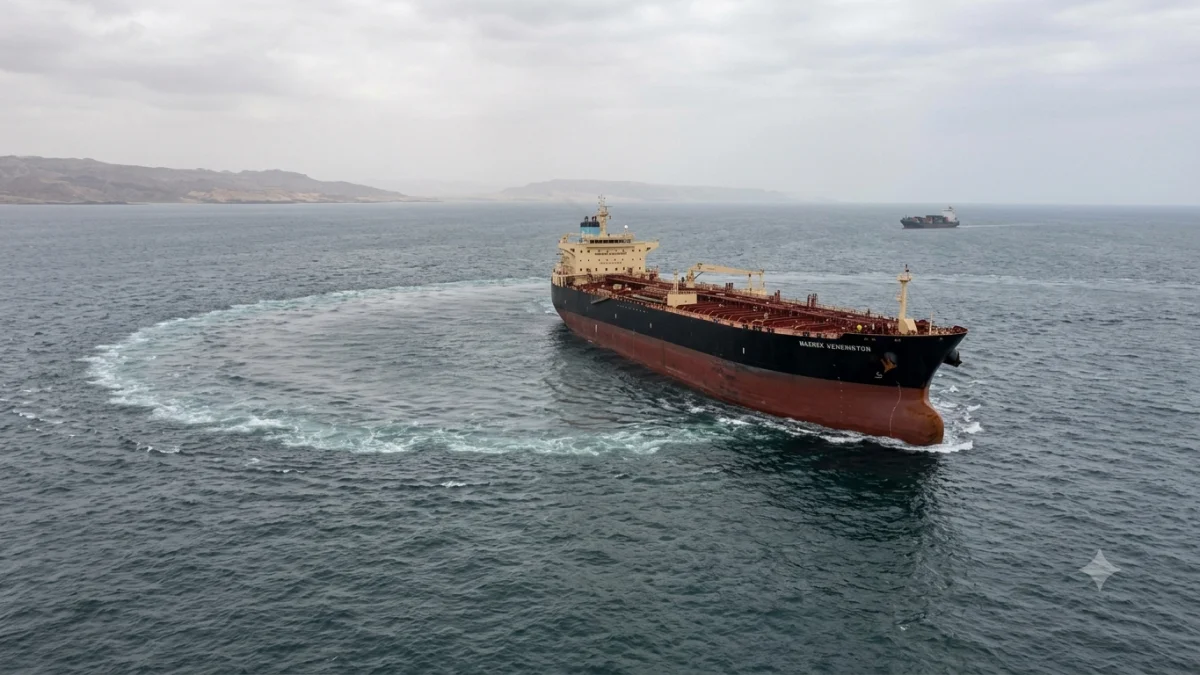
Shipping data compiled by analytics firm Kpler showed tanker movements through the waterway recently fell to their lowest level in about two months, while industry sources said some vessels had switched off public tracking transponders because of heightened security concerns, making overall traffic more difficult to monitor.
The Strait of Hormuz handles a significant share of global crude oil and liquefied natural gas exports, linking Gulf producers with customers in Asia, Europe and elsewhere. Shipping companies, insurers and commodity traders have responded by reassessing routes, increasing security measures and adjusting schedules as risks in the region remain elevated.
Major shipping companies have introduced contingency measures affecting cargo movements and container logistics across Gulf ports. Maersk said temporary restrictions on empty-container returns and revised operational procedures had been implemented to protect vessels, crews and cargo while navigation conditions remain uncertain. The company also noted that some marine insurers had reduced or withdrawn coverage for parts of the region, limiting shipping options.
The disruption has added pressure to global supply chains already facing elevated freight costs. Analysts said reduced vessel availability, longer voyage planning and higher war-risk insurance premiums could increase transportation expenses for energy shipments and other cargoes if the security situation does not improve.
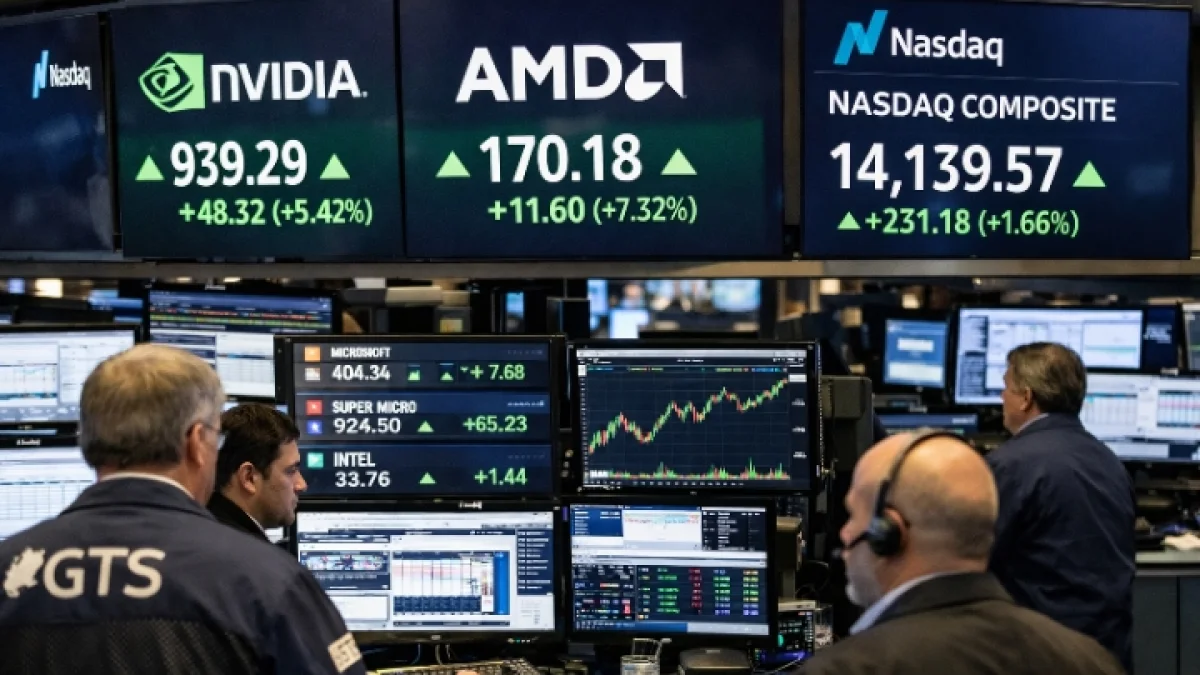
Financial markets have also reflected concerns over the waterway. Oil prices have remained sensitive to developments in the Gulf, while investors have monitored the potential impact of prolonged shipping disruptions on energy supplies and broader economic activity. Regional equity markets have traded cautiously as geopolitical uncertainty continued.
The latest disruptions follow renewed military exchanges between the United States and Iran that have increased security risks for commercial shipping in and around the Gulf. Washington and Tehran have offered differing accounts of navigation conditions in the strait, while commercial operators have largely based decisions on security assessments and guidance from maritime authorities.
As of July 19, shipping companies and maritime authorities continued to monitor traffic through the Strait of Hormuz closely, with contingency measures remaining in place while commercial operators assessed risks on a voyage-by-voyage basis.