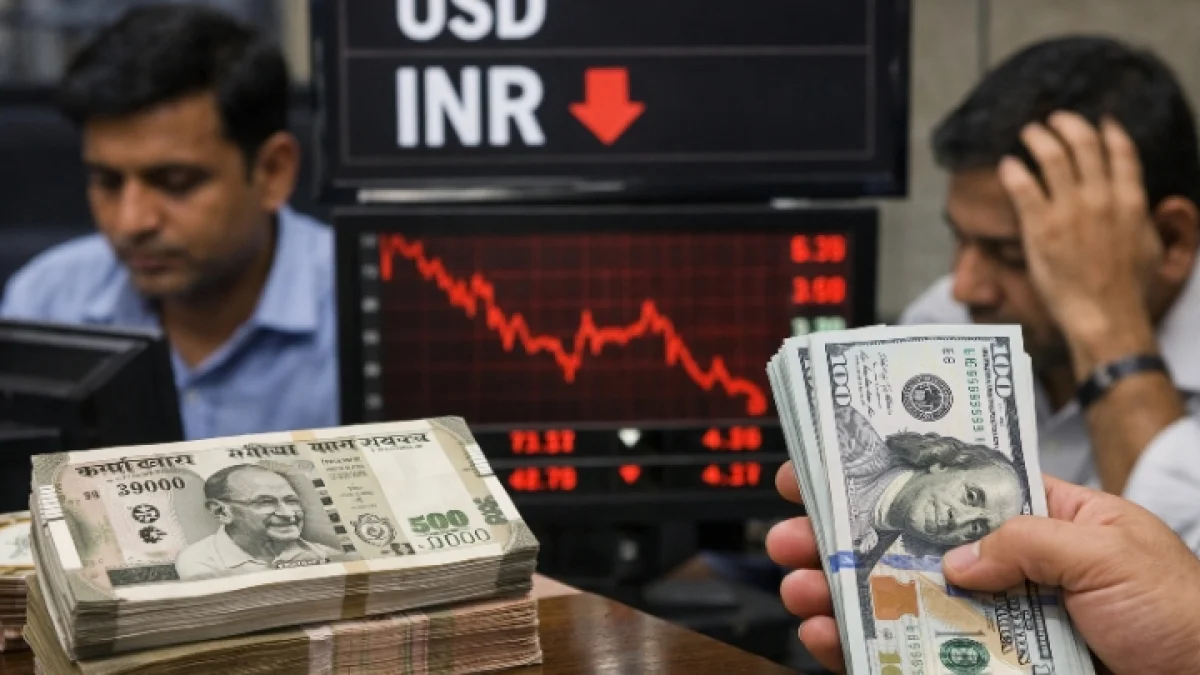
MUMBAI — The Indian rupee weakened against the U.S. dollar on Tuesday as renewed global geopolitical tensions increased demand for safe-haven assets and pressured emerging market currencies, while concerns over energy supply disruptions weighed on trade sentiment.
The rupee opened at 96.41 per dollar and touched 96.42 in early trading, down 6 paise from its previous close of 96.36, according to market data. Traders said the currency was affected by higher crude oil prices and increased demand for the dollar as investors sought protection from global uncertainty.
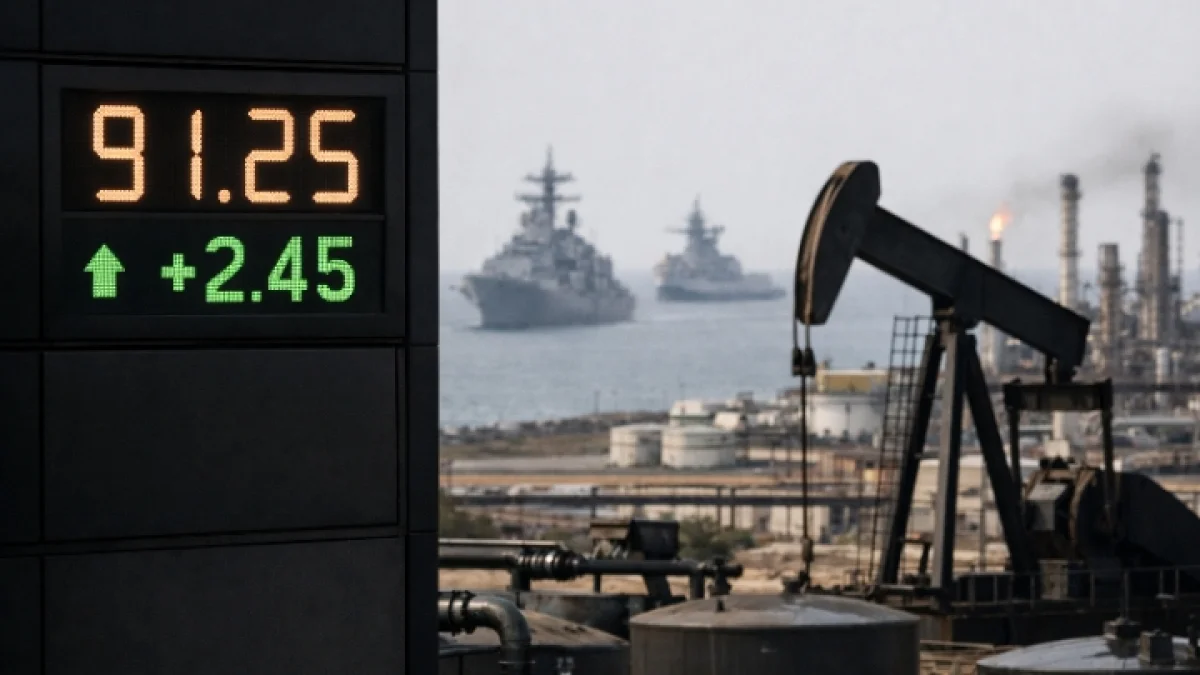
The pressure on the rupee came as markets monitored developments in the Middle East, where ongoing tensions involving the United States and Iran have raised concerns about potential disruptions to global oil supplies. The dollar also remained supported by investor demand for safer assets amid uncertainty in international markets.
India’s currency is particularly sensitive to movements in crude oil prices because the country relies heavily on imported energy. A sustained increase in oil prices can widen import costs and influence inflation expectations, factors closely watched by policymakers and financial markets.
Foreign exchange traders said market participants were also tracking global trade risks and capital flows into emerging markets. The Reserve Bank of India has previously taken measures to manage currency volatility, although officials have not announced any new intervention related to Tuesday’s move.
Equity markets also reflected cautious investor sentiment. Indian shares opened lower, with the Sensex and Nifty indexes declining in early trading as investors assessed the impact of global developments and corporate factors.
The dollar index, which measures the U.S. currency against a basket of major currencies, was trading near 100.97, while Brent crude futures were lower in early trade after recent gains linked to geopolitical concerns.
Analysts said the rupee’s near-term direction would depend on movements in crude prices, global risk appetite, and developments affecting international trade and energy markets. The currency market remained focused on incoming global signals and official policy responses as trading continued.