LONDON— Oil price volatility triggered by the conflict in the Middle East is accelerating changes in global energy trade as governments and companies seek to reduce reliance on vulnerable shipping routes and diversify crude and natural gas supplies, according to industry analysts, international agencies and government officials.
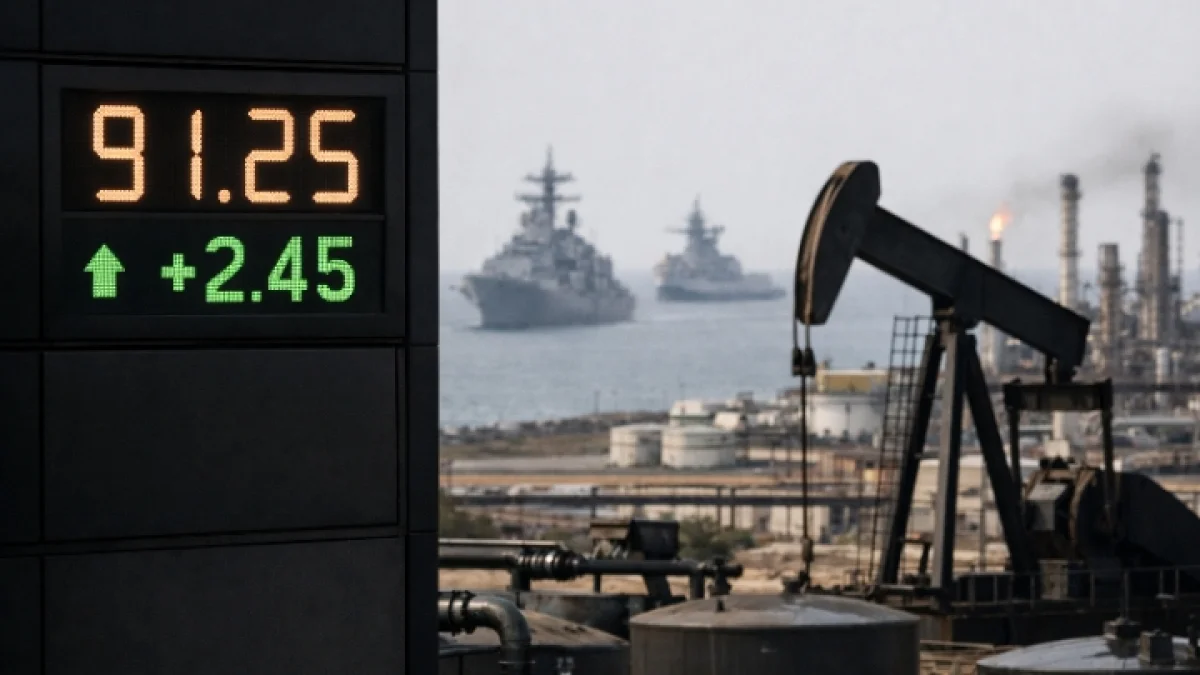
Brent crude has climbed in recent days after renewed military escalation disrupted confidence in energy shipments through the Strait of Hormuz, one of the world's most important oil transit corridors. About one-fifth of global oil flows normally pass through the waterway, making it a key source of market risk during periods of conflict.
The International Energy Agency said disruptions in the second quarter prompted buyers to seek alternative suppliers, increasing exports from producers outside the Gulf while boosting refinery activity in countries able to process additional crude. The agency said higher prices and uncertainty have also reshaped trade flows for refined products and liquefied natural gas.
Governments in Asia and Europe have stepped up efforts to secure long-term contracts with suppliers in the Americas, Africa and elsewhere in the Middle East, while expanding strategic petroleum reserves and investing in infrastructure intended to reduce dependence on the Strait of Hormuz, according to officials and energy analysts.
The International Monetary Fund said the global oil market has so far absorbed much of the supply shock through lower demand, increased production outside the Gulf and inventory drawdowns. However, it warned that these buffers are diminishing and that a sustained recovery in supply will be needed to prevent broader economic damage.
The World Bank has previously warned that prolonged disruption to Middle East energy exports could lift global energy prices, fuel inflation and weigh on economic growth, particularly in energy-importing developing economies.
Market participants said companies are also accelerating investments in pipeline networks and export terminals that bypass vulnerable maritime chokepoints. While such projects could improve supply resilience over time, analysts say several million barrels of daily exports would still depend on the Strait of Hormuz even after planned infrastructure is completed.
Oil markets remain sensitive to developments in the conflict, with traders closely monitoring shipping activity, official statements and any further disruption affecting production or transportation. Authorities in major consuming nations have continued to monitor fuel supplies and market conditions while urging efforts to maintain the uninterrupted flow of global energy exports.