BHUBANESWAR—Election authorities in Odisha have published a draft electoral roll following a month-long Special Intensive Revision (SIR), removing more than 2 million names from the state's voter list and opening a statutory period for claims and objections ahead of the publication of the final roll.
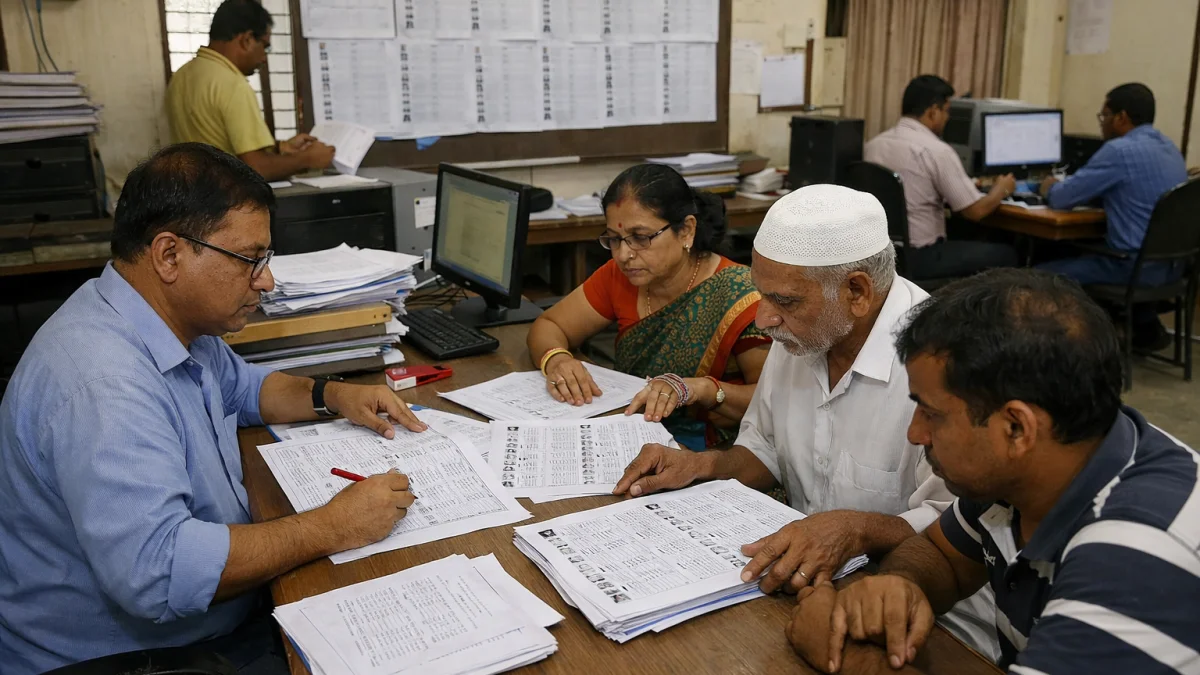
Chief Electoral Officer R.S. Gopalan said the draft electoral roll, released on Sunday, contains 31.39 million electors, down from approximately 33.40 million recorded before the revision exercise began. According to the Election Commission's figures, 20.13 lakh names were excluded after door-to-door verification and scrutiny conducted between May 30 and June 28.
Election officials said 3.13 crore voters, representing about 93.97% of the electorate, submitted enumeration forms during the exercise. The draft roll includes about 16.02 million male voters, 15.37 million female voters and 2,775 third-gender electors.
According to Gopalan, the deletions were primarily attributed to deaths, migration or voters who could not be located during the verification process, as well as duplicate registrations. Election officials said around 8.32 lakh names belonged to deceased voters, about 10.07 lakh were linked to people who had shifted residence or could not be traced, and roughly 1.58 lakh were duplicate entries.
The publication of the draft roll marks the beginning of the claims and objections period, which will run until Aug. 4. During this period, eligible residents whose names are missing may apply for inclusion, while objections to entries can also be filed in accordance with Election Commission procedures. Officials said the final electoral roll is scheduled to be published on Sept. 6 after all claims and objections have been examined.
The revision has also become the subject of political debate. Opposition parties, including the Biju Janata Dal, have questioned the scale of deletions and alleged discrepancies in the draft roll, calling for a thorough review to ensure that eligible voters are not excluded. The ruling Bharatiya Janata Party has defended the revision process, saying it follows Election Commission guidelines and is intended to improve the accuracy of electoral rolls.
Responding to concerns, Gopalan said the revision process had been conducted transparently, with political parties involved at different stages of the exercise. He said election authorities would continue to examine genuine grievances received during the claims and objections period before the electoral roll is finalized.