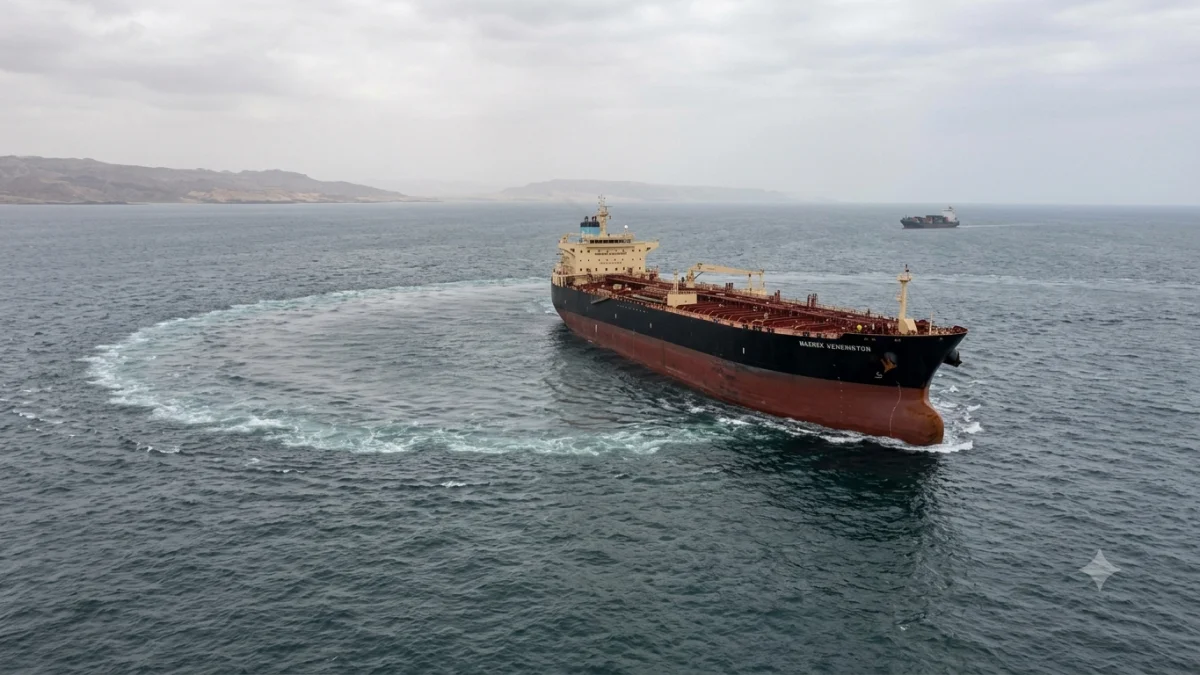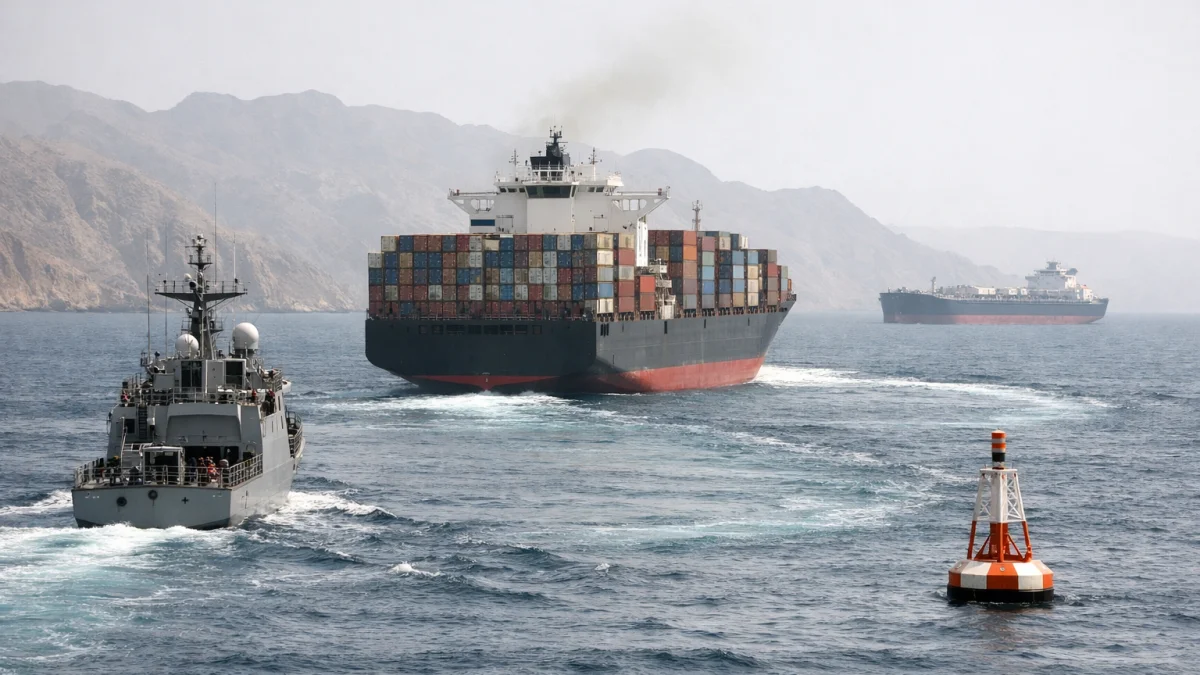
DUBAI — Global shipping companies accelerated efforts to reroute vessels and revise schedules on Saturday as renewed security risks in and around the Strait of Hormuz disrupted one of the world's busiest energy and trade corridors, prompting operators to prioritize crew safety and cargo security.
Major container carriers and tanker operators said they were adjusting voyages, delaying departures and relying more heavily on alternative regional logistics hubs after the latest escalation in the Gulf raised concerns about commercial navigation. Several companies had already implemented contingency plans earlier in the year, but the latest developments prompted additional operational changes.
The moves followed a sharp deterioration in regional security after Iran said the strategic waterway was closed and fighting intensified between Iranian and U.S. forces. While Iranian authorities reiterated restrictions on shipping, U.S. Central Command said commercial traffic continued to transit the strait despite heightened risks. Independent verification of all claims by the parties was not immediately possible.
Shipping companies said they were conducting continuous security assessments in consultation with naval authorities, insurers and maritime intelligence providers. Maersk has suspended vessel crossings through the Strait of Hormuz until further notice, warning customers that services calling Gulf ports could face delays, rerouting or schedule changes. Hapag-Lloyd has also maintained contingency routing measures while monitoring developments with security partners.
Industry analysts said the disruption differs from previous crises affecting the Red Sea because cargo destined for Gulf ports has limited maritime alternatives. Instead of bypassing the region entirely, operators are increasingly relying on transshipment through ports outside the highest-risk areas before transferring cargo on feeder vessels where conditions permit.
The uncertainty has added pressure to global supply chains already coping with higher insurance premiums, longer transit times and rising operating costs. Maritime risk specialists said shipping companies were placing greater emphasis on real-time intelligence, dynamic voyage planning and coordination with regional security frameworks to reduce exposure.
The Strait of Hormuz remains one of the world's most strategically important maritime chokepoints, handling a substantial share of global crude oil and liquefied natural gas exports. Any prolonged disruption could affect energy markets and international trade, although commercial traffic has continued to move through the waterway under changing security conditions, according to maritime authorities and shipping data.
As of Saturday, shipping companies said they would continue reviewing routes on a voyage-by-voyage basis while monitoring official security advisories and developments in the Gulf.