Global economic growth has remained more resilient than many policymakers anticipated in 2026, even as armed conflict, trade disruptions and persistent geopolitical tensions have reshaped the international outlook. Recent assessments by the International Monetary Fund (IMF), the Organisation for Economic Co-operation and Development (OECD), and other international institutions indicate that global activity continues to expand, supported by strong momentum in the United States and China, resilient private-sector investment and continued technological spending. Yet that resilience increasingly masks widening vulnerabilities that could weigh more heavily on growth if current shocks persist.
The significance of the latest assessments lies less in the headline growth figures than in the growing divergence between current economic performance and the underlying risks confronting the global economy. International institutions have repeatedly emphasized that businesses and consumers have adapted better than expected to successive shocks, including trade restrictions, higher borrowing costs and renewed geopolitical instability. However, policymakers increasingly warn that this adaptability has limits as supply disruptions, elevated public debt and geopolitical fragmentation become more entrenched.
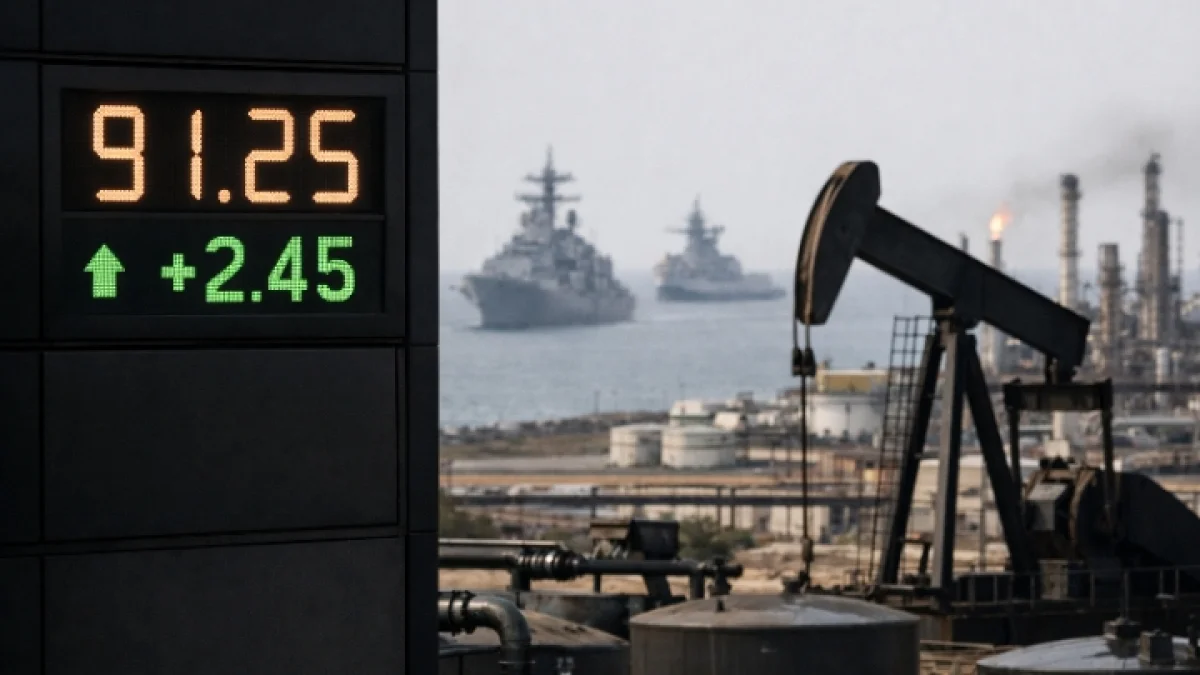
The most immediate challenge has emerged from conflict in the Middle East and its effects on energy markets. Although oil prices rose sharply after disruptions to regional energy infrastructure and shipping routes, governments drew on strategic reserves while producers outside the Gulf increased output, helping prevent a more severe global energy crisis. According to the IMF, these measures have so far contained the broader macroeconomic impact, allowing global growth to continue despite higher inflation and tighter financial conditions. Nevertheless, the Fund has stressed that prolonged disruptions would increase external financing pressures, particularly for energy-importing developing economies with limited fiscal capacity.
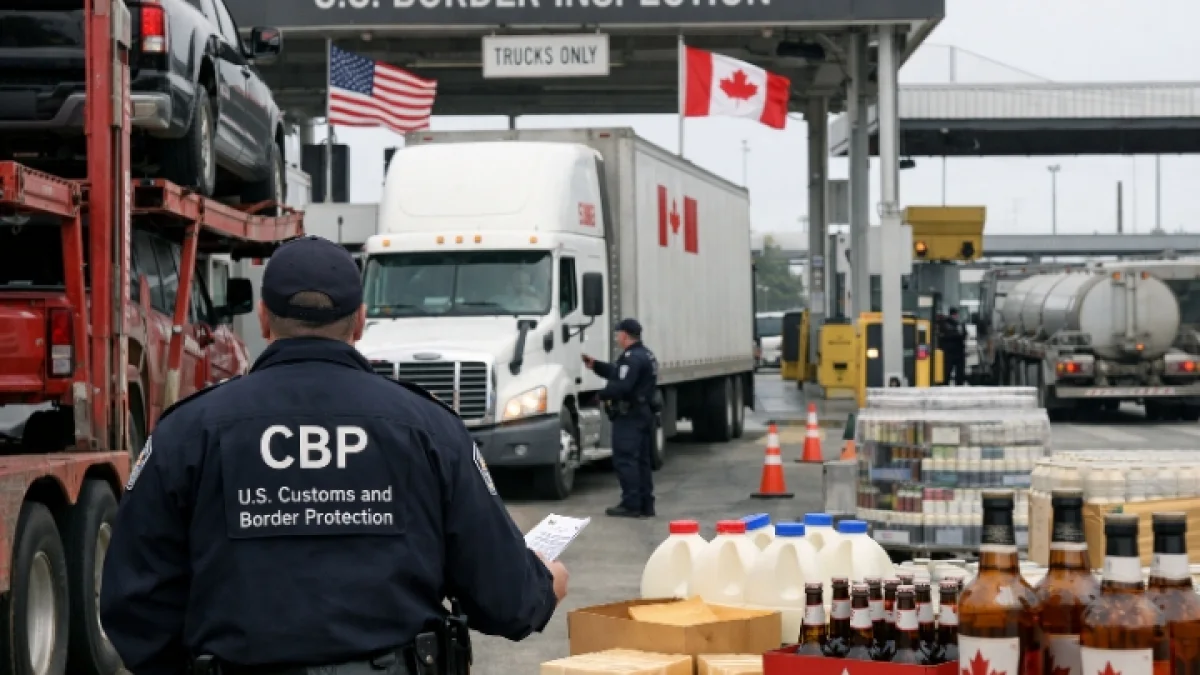
Trade remains another source of uncertainty despite evidence that global commerce has partially adjusted to changing tariff regimes. Businesses have diversified supply chains, redirected exports and expanded investment in alternative production locations, reducing the immediate economic damage from higher trade barriers. IMF economists have argued that these adjustments explain much of the global economy's resilience during the past year. However, they also caution that the cumulative effects of trade fragmentation, reduced investment efficiency and weaker international cooperation may become more visible over time, particularly if additional restrictions are introduced.
The OECD similarly argues that current growth should not be interpreted as evidence that the global economy has become less vulnerable. Its latest outlook presents contrasting scenarios based largely on the duration of energy disruptions. Under its baseline assumption that supply disruptions gradually ease, global growth slows but remains positive. Under a prolonged disruption scenario, however, global growth would weaken substantially while inflation would remain elevated, forcing central banks to balance persistent price pressures against slowing economic activity.
Financial stability has become another area of concern. The Bank for International Settlements has warned that record public debt, elevated asset valuations and increasing leverage outside the traditional banking system are creating new vulnerabilities. While investment linked to artificial intelligence has strengthened productivity expectations and supported financial markets, the BIS argues that concentrated investment and increasingly complex financing structures could amplify future market volatility if investor sentiment shifts.
The uneven distribution of resilience also distinguishes the current outlook from previous periods of synchronized global expansion. Advanced economies with diversified energy supplies and stronger fiscal positions have generally absorbed recent shocks more effectively than many emerging markets. Commodity-importing developing countries remain particularly exposed to higher fuel costs, currency volatility and tighter financing conditions. The IMF has repeatedly highlighted that these economies possess less policy flexibility to cushion households and businesses from prolonged external shocks, increasing the risk of widening global economic divergence.
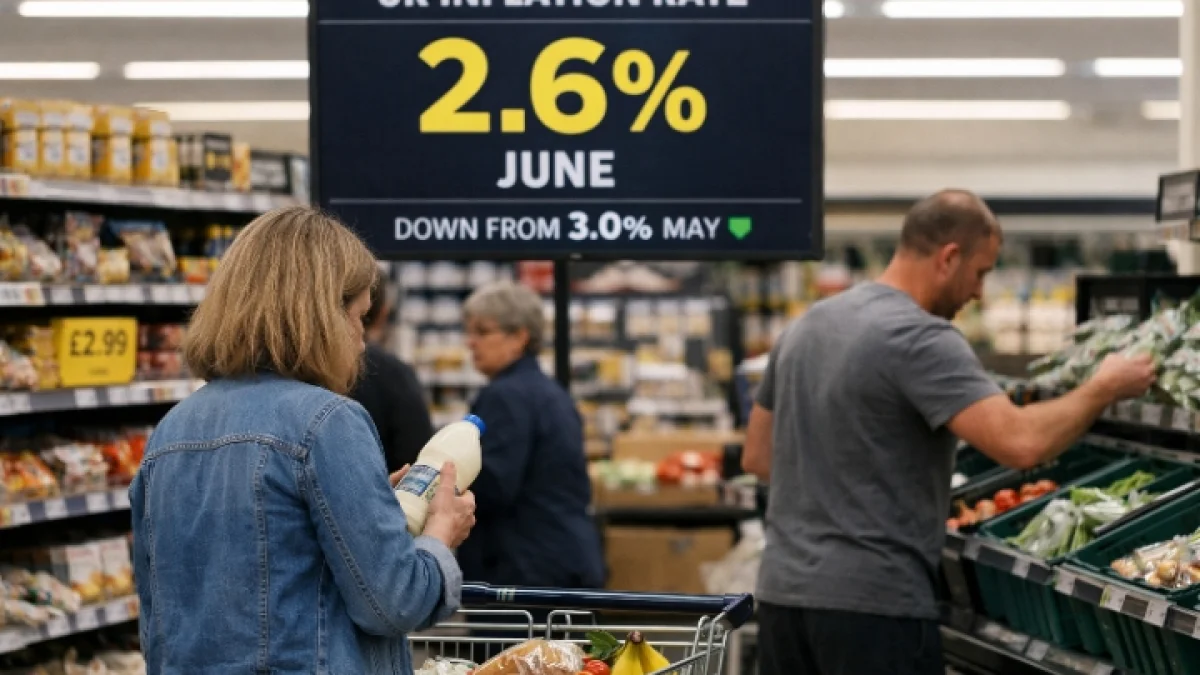
Central banks therefore face increasingly complex policy choices. While inflation has not accelerated sufficiently to reverse broader disinflation trends in many advanced economies, renewed energy price pressures have delayed expectations for easier monetary policy. International institutions broadly recommend that governments avoid broad-based fiscal stimulus that could worsen already elevated public debt while instead targeting assistance toward vulnerable households and preserving longer-term fiscal sustainability.
Another notable feature of the current environment is the interaction between technological investment and geopolitical uncertainty. Strong spending on artificial intelligence, digital infrastructure and productivity-enhancing technologies has helped offset weakness elsewhere in the economy. Yet both the IMF and BIS caution that excessive concentration of investment in a relatively narrow segment of the global economy could itself become a source of financial instability if expected returns fail to materialize or geopolitical tensions disrupt supply chains supporting advanced technologies.
For policymakers, investors and businesses, the central lesson emerging in mid-2026 is that resilience should not be mistaken for immunity. Global growth has withstood successive shocks more effectively than many forecasts anticipated, reflecting policy responses, business adaptation and continued technological investment. However, official institutions consistently conclude that downside risks remain dominant. They continue to monitor developments in Middle East security, global energy markets, inflation dynamics, financial stability, public debt sustainability and evolving trade relationships, all of which will shape forthcoming updates to the international economic outlook.