NEW YORK — U.S. gasoline prices edged higher on Friday as renewed military strikes linked to the conflict between the United States and Iran drove crude oil prices to multi-week highs, raising concerns that disruptions to shipping through the Strait of Hormuz could increase fuel costs in the weeks ahead.
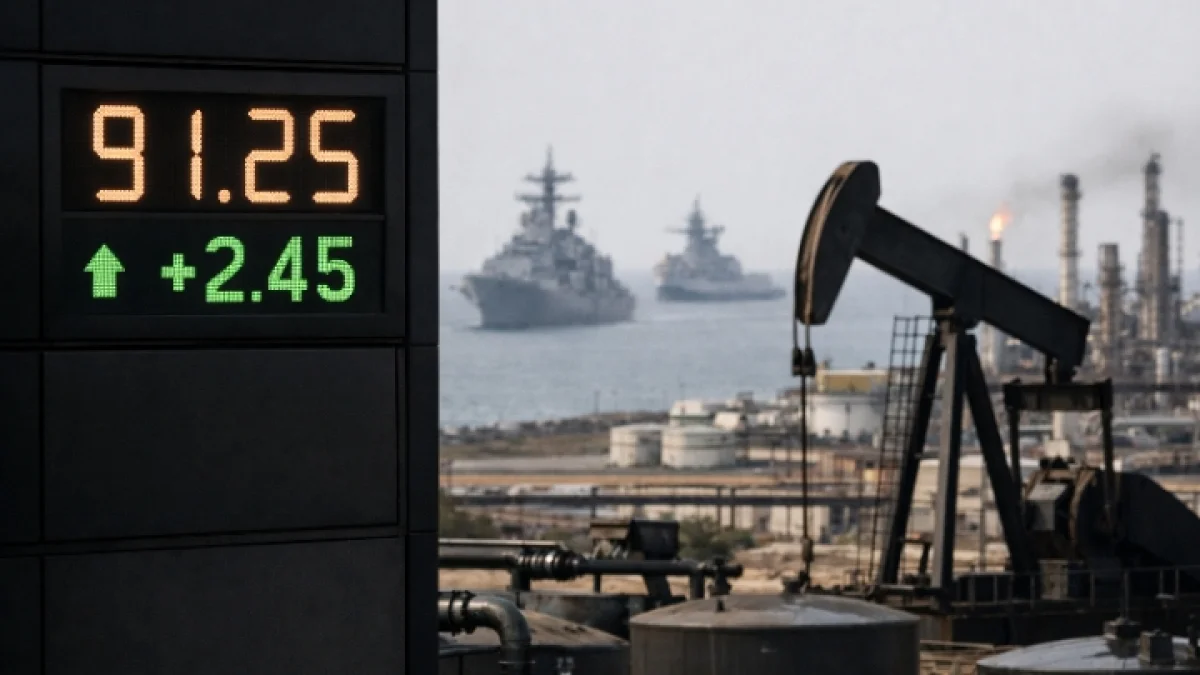
Benchmark oil prices extended weekly gains after fighting intensified around the strategic waterway, through which about one-fifth of global oil supplies normally pass. Brent crude traded near $77 a barrel while U.S. West Texas Intermediate crude rose above $72, reflecting growing concern over potential supply disruptions and reduced tanker traffic through the region.
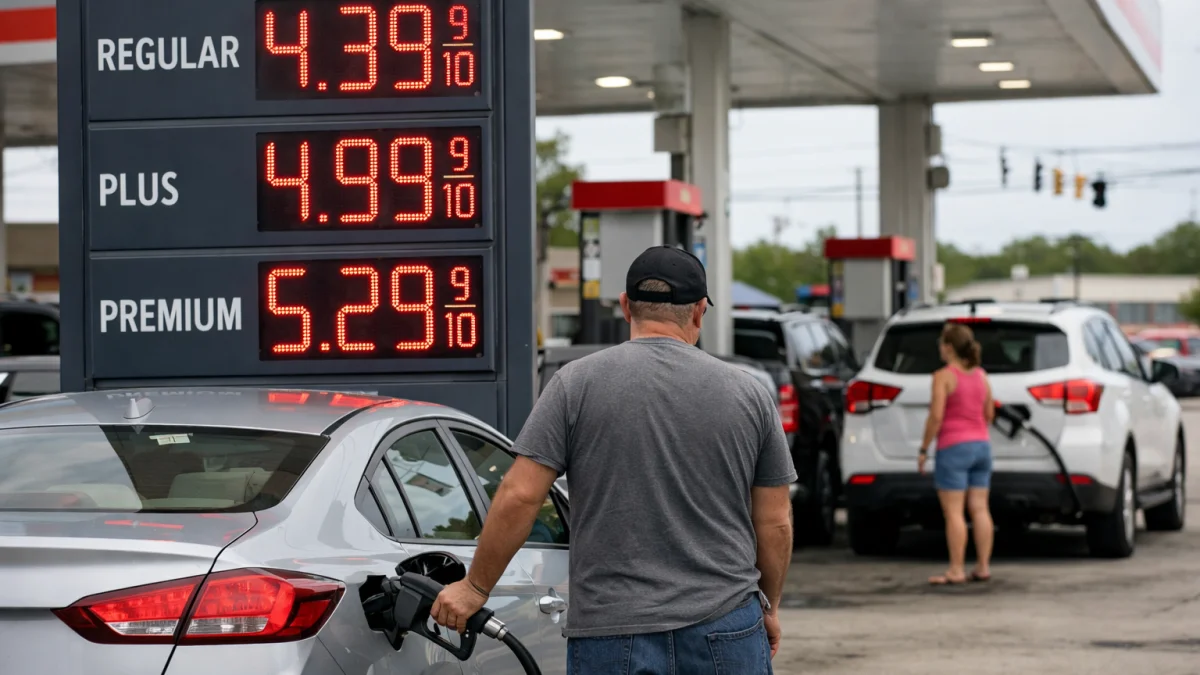
Retail gasoline prices in the United States have begun to reflect the rise in crude, although industry analysts said the impact at the pump has so far remained limited. According to AAA, the national average price for regular gasoline rose modestly during the week, while remaining below levels recorded a month earlier. Analysts cautioned that sustained increases in crude prices would likely feed through to consumers over coming weeks as refiners process more expensive oil and new supplies reach filling stations.
Energy analysts said geopolitical risk rather than immediate physical shortages was driving much of the latest increase in oil prices. Maritime traffic through the Strait of Hormuz has slowed following renewed attacks and heightened security concerns, although some liquefied natural gas and oil tankers continue to transit the route.
"The market is pricing in the possibility of prolonged disruption," analysts said in market commentary, noting that uncertainty surrounding shipping remains the principal factor supporting crude prices.
The International Energy Agency has warned that prolonged disruption in the Gulf could alter expectations for global oil supplies, even as producers outside the region continue to supply international markets. Investors have also been monitoring the effect of Ukrainian attacks on Russian energy infrastructure, another factor influencing supply expectations.
The renewed fighting followed fresh U.S. strikes against Iranian targets after Washington accused Tehran of attacking commercial vessels transiting the Strait of Hormuz. Iranian authorities have responded with military action in the Gulf region, further increasing tensions and uncertainty over maritime security.
Market participants said future movements in gasoline prices will depend largely on whether shipping through the Strait of Hormuz normalizes and whether hostilities ease. As of Friday, oil markets remained volatile, with traders closely watching military developments and official statements from governments involved in the conflict.