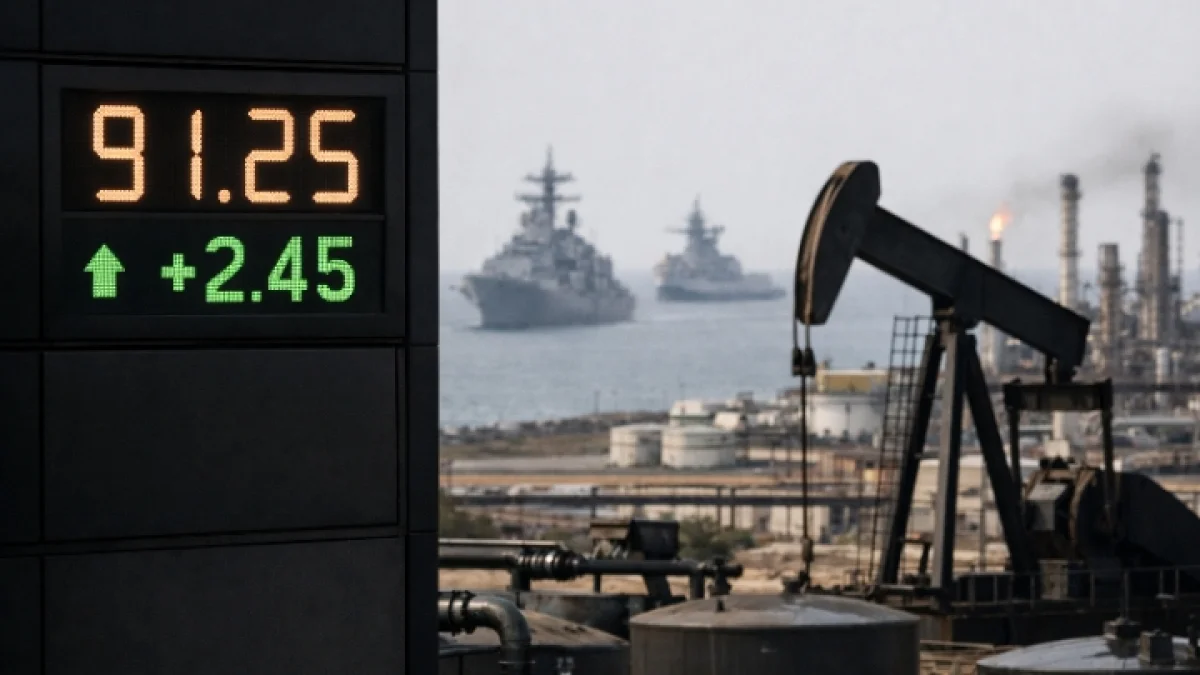
LONDON — Global fertilizer prices are climbing as persistent shipping disruptions through the Strait of Hormuz continue to constrain exports of key agricultural nutrients, raising input costs for farmers despite a gradual recovery in maritime traffic.
Market analysts and international organizations say supplies of nitrogen-based fertilizers remain particularly tight because the Gulf region accounts for a substantial share of global exports of urea, ammonia and sulfur, all of which depend heavily on shipping routes through the strategic waterway. Although vessel movements have increased since an interim easing of hostilities in June, cargo flows remain below pre-conflict levels and logistics bottlenecks continue to limit fresh shipments.
The World Bank said its fertilizer price index rose by more than 12% in the first quarter of 2026, reaching its highest level since late 2022 by April. The lender attributed much of the increase to export disruptions linked to the Hormuz crisis, with urea recording the sharpest gains. It projected fertilizer prices could rise by more than 30% this year if shipping disruptions and elevated energy costs persist.
The United Nations Conference on Trade and Development (UNCTAD) warned this week that prolonged disruption in the strait could have lasting consequences for vulnerable economies, saying higher fertilizer costs risk increasing agricultural production expenses, placing additional pressure on food prices and household budgets, particularly in import-dependent countries.
Shipping data compiled by market intelligence firms indicate fertilizer trade has yet to normalize. S&P Global Commodity Insights estimated global seaborne fertilizer shipments fell about 20% year on year during the second quarter, led by a sharp decline in sulfur exports from the Gulf. Analysts said shortages of available vessels, elevated insurance costs and delayed cargo scheduling continue to slow recovery despite the reopening of some shipping lanes.
Governments are responding to mounting supply concerns. In the United States, the Department of Agriculture this week announced $500 million in funding to expand domestic fertilizer production, describing the initiative as part of broader efforts to reduce reliance on disrupted overseas supplies and cushion farmers from higher global prices.
Commodity analysts said potash markets have remained comparatively resilient because they are less dependent on Gulf exports, but warned nitrogen and phosphate fertilizers remain exposed to further shipping delays. They added that a sustained normalization of maritime traffic would be needed before fertilizer markets experience significant price relief.
For now, international agencies and market participants say freight constraints and supply chain disruptions continue to support elevated fertilizer prices even as broader energy markets stabilize.