WASHINGTON — The Federal Reserve heads toward its July policy meeting facing conflicting economic signals, with inflation remaining above its target while some recent data suggest price pressures may be easing. Policymakers are expected to weigh whether current interest rates are restrictive enough to bring inflation lower without adding pressure to the labor market.
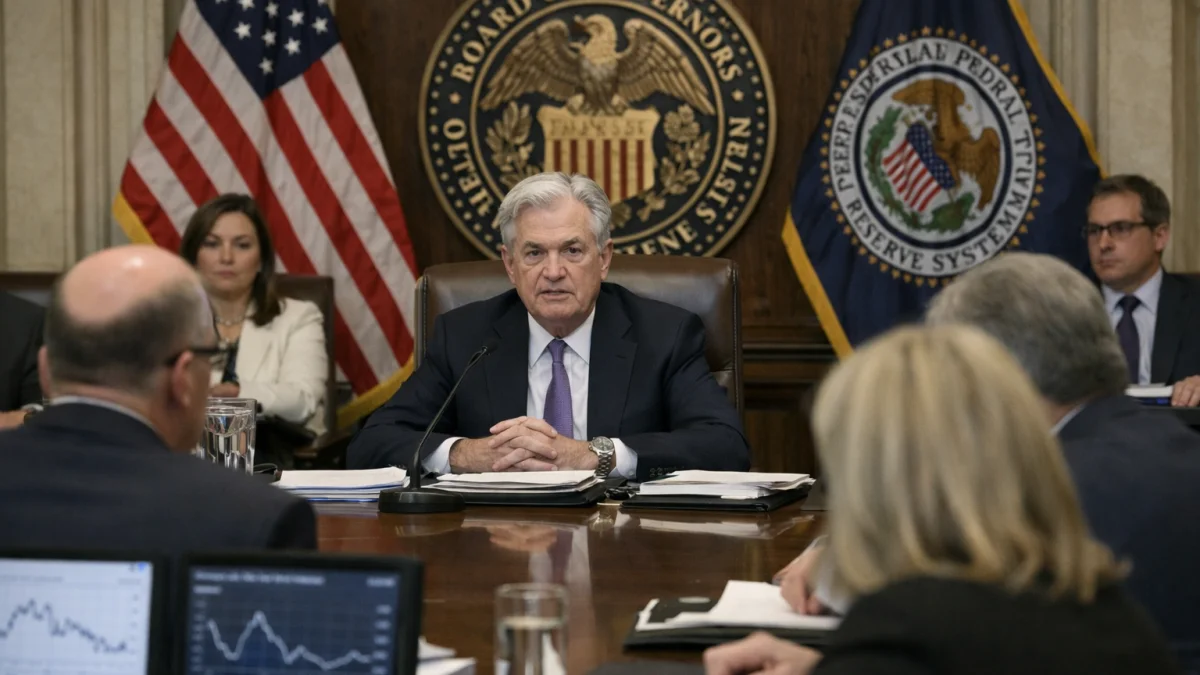
The Federal Open Market Committee (FOMC) is scheduled to meet on July 28-29, with its rate decision due on July 29. The Fed last kept its benchmark federal funds rate unchanged at a target range of 3.50% to 3.75% at its June meeting, continuing a series of pauses as officials assessed the economic outlook.
Inflation remains the central focus for policymakers. The personal consumption expenditures (PCE) price index, the Fed’s preferred inflation measure, showed consumer prices rising at an elevated pace in recent data, while core inflation excluding food and energy also remained above the central bank’s 2% longer-run goal. Fed officials have pointed to persistent services inflation and other price pressures as reasons to remain cautious about easing policy.
At the same time, some economic indicators have provided support for a more patient approach. Chicago Federal Reserve President Austan Goolsbee said recent inflation data offered “a glimmer of hope” but cautioned that core inflation remained too high and required continued monitoring.
The Fed’s June projections reflected uncertainty over the path ahead. Officials raised their inflation outlook and signaled that some policymakers saw the possibility of higher rates later in 2026 if inflation pressures persisted. Market participants have adjusted expectations, with traders assigning a lower probability to a rate increase at the July meeting while still watching for possible changes later in the year.
The labor market is another factor shaping the debate. Fed officials have said future decisions will depend on incoming data on inflation, employment and broader economic conditions rather than a preset course.
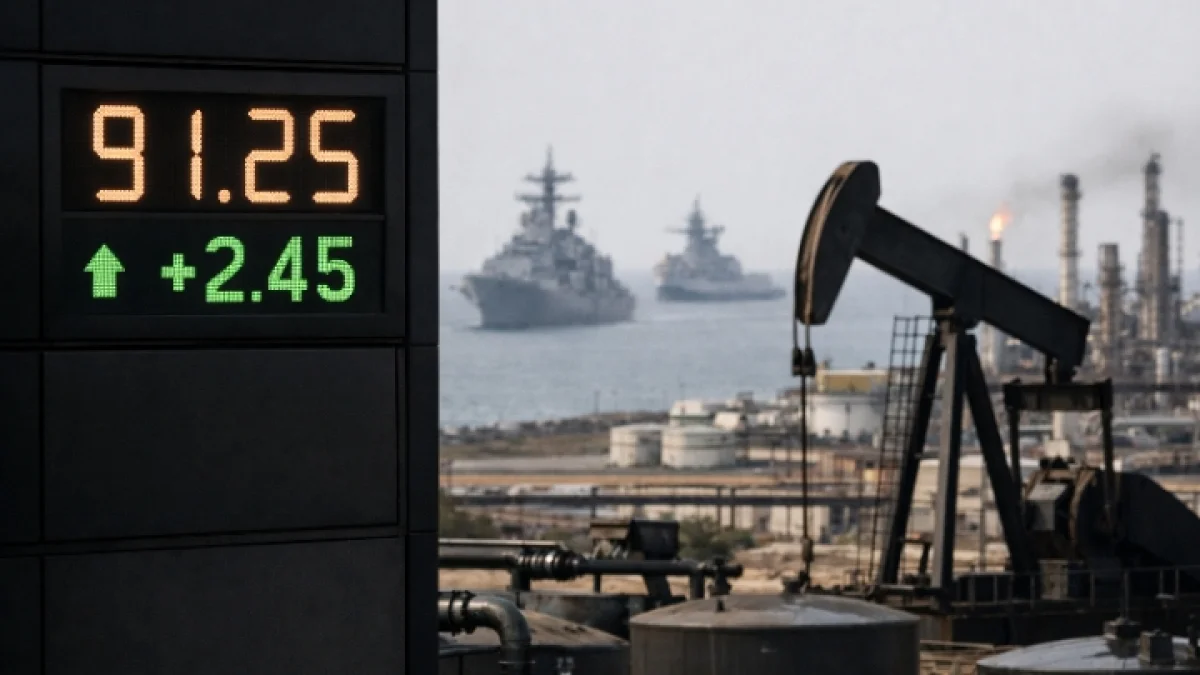
The central bank has also been monitoring the impact of global developments and energy prices on inflation. A Federal Reserve survey of business executives found many firms had absorbed recent energy-related cost increases without immediately passing them fully to consumers, though officials continue to watch for renewed price pressures.
The July meeting will not include a new set of quarterly economic projections, but it will provide another assessment of inflation trends and the policy outlook. The Fed’s latest confirmed position remains that interest-rate decisions will be guided by incoming economic data as officials work toward returning inflation to its 2% objective.