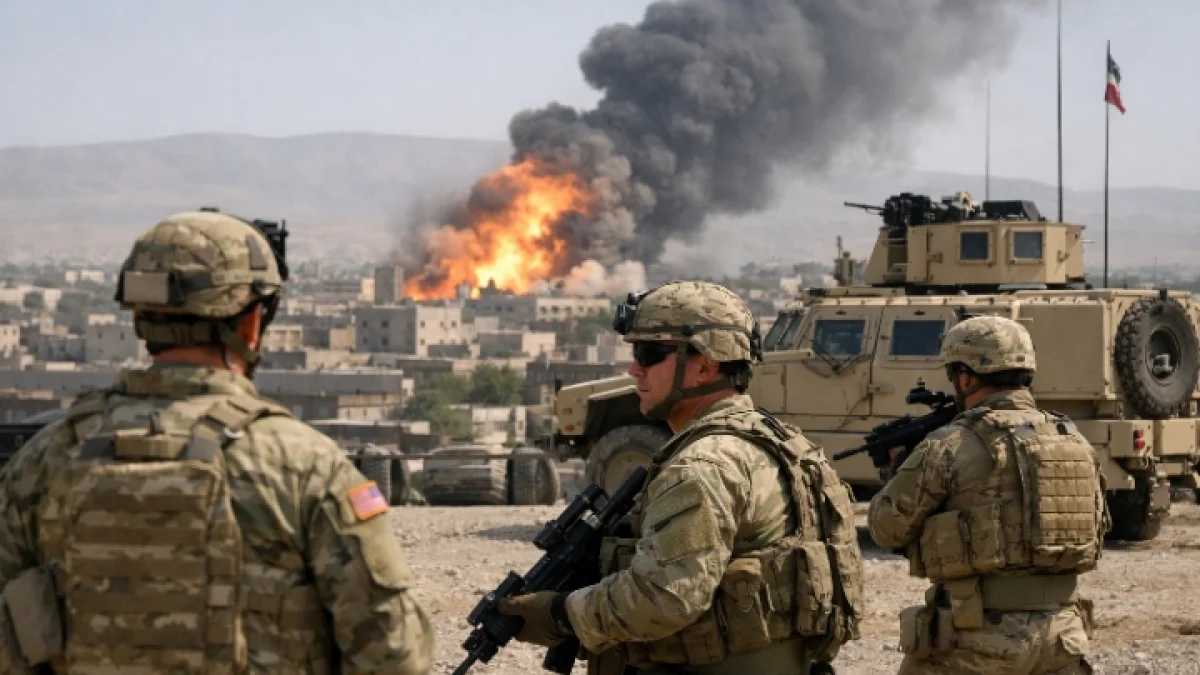
The latest exchange of U.S. and Iranian military strikes has become the most severe test yet of a ceasefire that was intended to halt weeks of direct confrontation, underscoring how rapidly a temporary de-escalation can unravel when underlying political and security disputes remain unresolved. Fresh U.S. strikes followed the deaths of two American service members in an Iranian attack on a base in Jordan, while Iran responded with attacks against U.S. partners and critical infrastructure in the Gulf, raising concerns that the conflict is widening beyond the two principal adversaries.
The significance extends beyond the latest military exchanges. The ceasefire framework had been designed as a mechanism to create space for negotiations rather than a comprehensive political settlement. While it reduced the immediate tempo of hostilities, it left unresolved core disputes involving regional security, freedom of navigation in the Strait of Hormuz, Iran's military capabilities, and broader strategic competition between Washington and Tehran. As a result, each military incident has carried the potential to trigger renewed escalation.
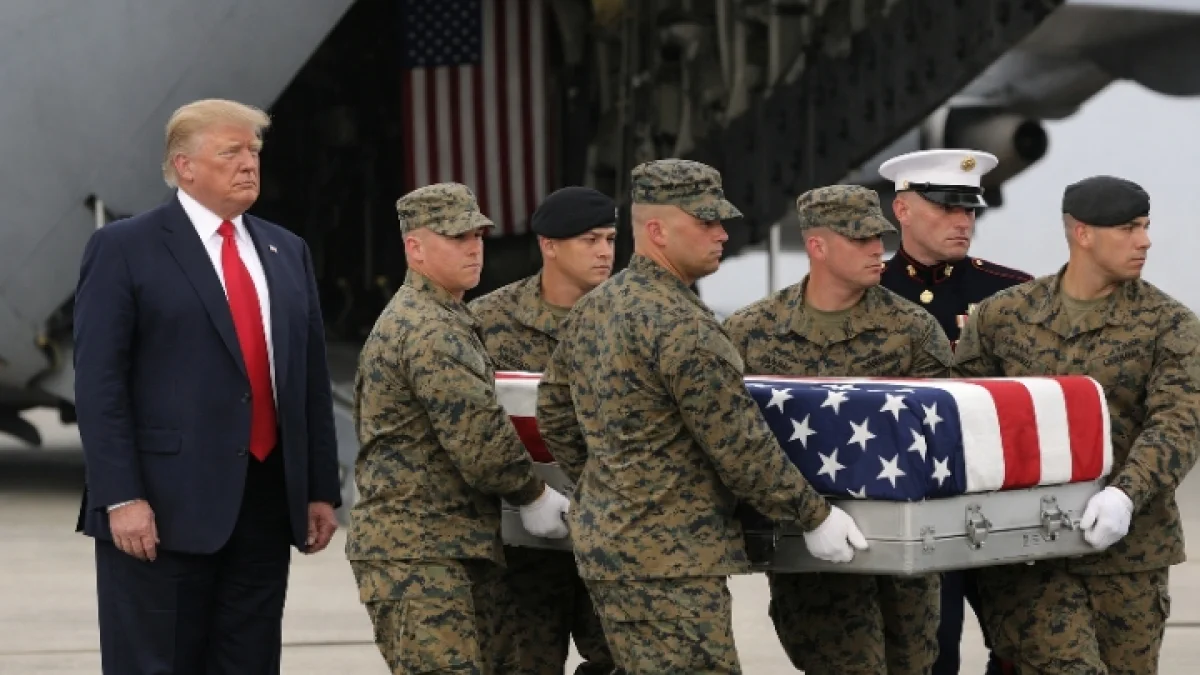
The deaths of U.S. personnel represent a particularly consequential development. Historically, attacks resulting in American military fatalities have increased political pressure on U.S. administrations to respond militarily, particularly when officials conclude that deterrence has weakened. U.S. Central Command has described its recent operations as targeting Iranian military infrastructure associated with missile, drone and surveillance capabilities, arguing that the strikes are intended to reduce Iran's ability to threaten U.S. forces and regional shipping.
Iranian officials, meanwhile, have characterized the U.S. operations as violations of previous understandings and have warned of further retaliation. Tehran has also indicated that it is suspending its commitments under the interim agreement that had sought to stabilize the conflict, reflecting a deterioration in confidence between the parties. The differing interpretations illustrate that both governments now publicly question the durability of arrangements intended to prevent renewed warfare.
Another notable aspect of the latest escalation is its increasingly regional character. Iranian attacks affecting Jordan, Kuwait and Bahrain, together with Israeli warnings that missiles aimed at neighboring countries could enter Israeli airspace, demonstrate that military exchanges are no longer confined to bilateral confrontation. Gulf infrastructure, U.S. military facilities, commercial shipping routes and regional allies have all become part of the operational environment, increasing the number of actors with security interests at stake.
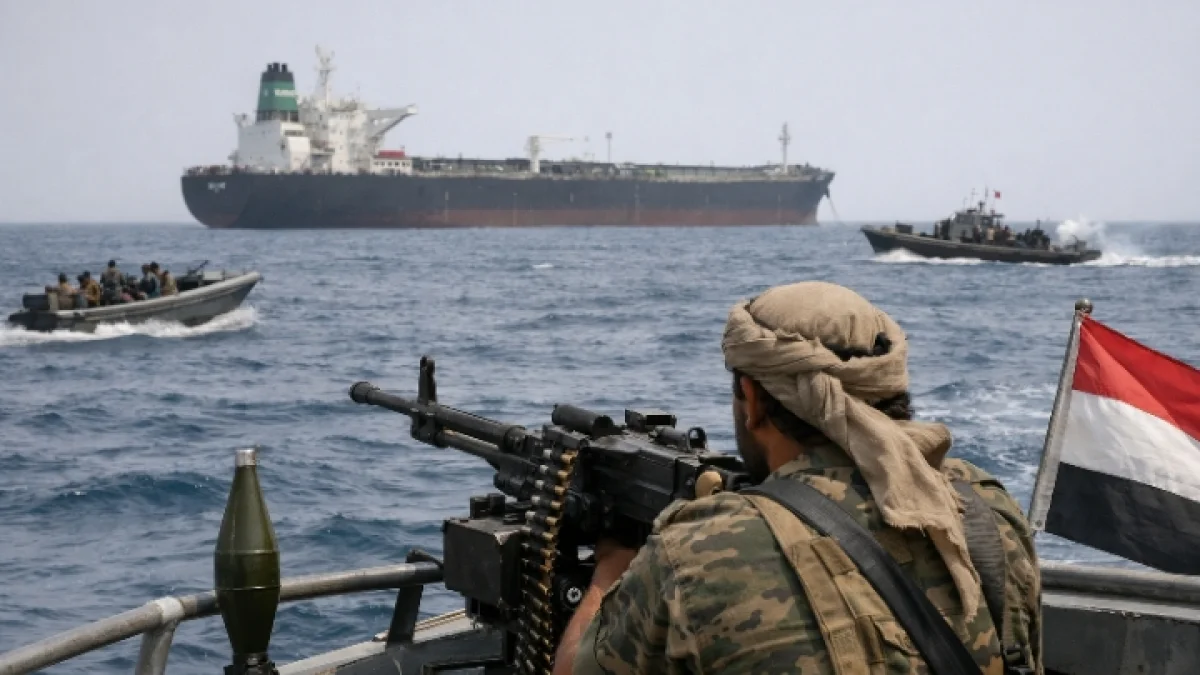
The Strait of Hormuz remains central to the strategic calculations of both sides. Although energy exports have continued, repeated military activity around one of the world's most important maritime chokepoints has renewed concerns among governments, shipping companies and commodity markets about potential supply disruptions. Previous episodes of instability in the Gulf have demonstrated that even limited military incidents can increase insurance costs, alter shipping patterns and contribute to volatility in global oil prices without necessarily producing a sustained interruption in exports.
The current situation also illustrates the limitations of deterrence alone. Military retaliation may impose operational costs on an adversary, but analysts note that it does not necessarily resolve the political disagreements that produced the confrontation. Experts at institutions including Chatham House have argued that the interim agreement functioned primarily as a mechanism to buy time rather than eliminate the strategic mistrust that continues to shape decision-making in Washington and Tehran.
Diplomatic efforts remain active despite the renewed fighting. The United Nations has continued urging maximum restraint, emphasizing that preserving channels for dialogue remains essential even as military operations continue. U.N. officials have noted that mediation efforts involving regional actors offered an opportunity to prevent a broader conflict, while cautioning that repeated violations risk undermining confidence in future negotiations.
The broader international response reflects competing priorities. Regional governments have condemned attacks affecting civilian infrastructure while simultaneously seeking to prevent a wider regional war. Many U.S. allies continue supporting freedom of navigation through the Gulf while encouraging renewed diplomacy. Iran, for its part, maintains that its military actions are responses to U.S. operations and argues that Washington bears responsibility for the collapse of previous understandings. These competing narratives complicate efforts by mediators to rebuild confidence.
Historical experience suggests that ceasefires lacking detailed enforcement mechanisms or mutually accepted verification procedures remain vulnerable to collapse after significant battlefield incidents. The current arrangement appears to face many of those structural weaknesses, with each side accusing the other of violating commitments while continuing military operations intended to strengthen its negotiating position.
For now, the confirmed picture is one of continued military exchanges alongside ongoing diplomatic appeals for restraint. Official attention remains focused on whether additional retaliatory strikes occur, whether indirect negotiations can be revived through regional mediation, and whether hostilities around the Strait of Hormuz and neighboring states expand further. Those developments, rather than political declarations alone, are likely to determine whether the ceasefire framework can still serve as a basis for renewed diplomacy or continues to erode.