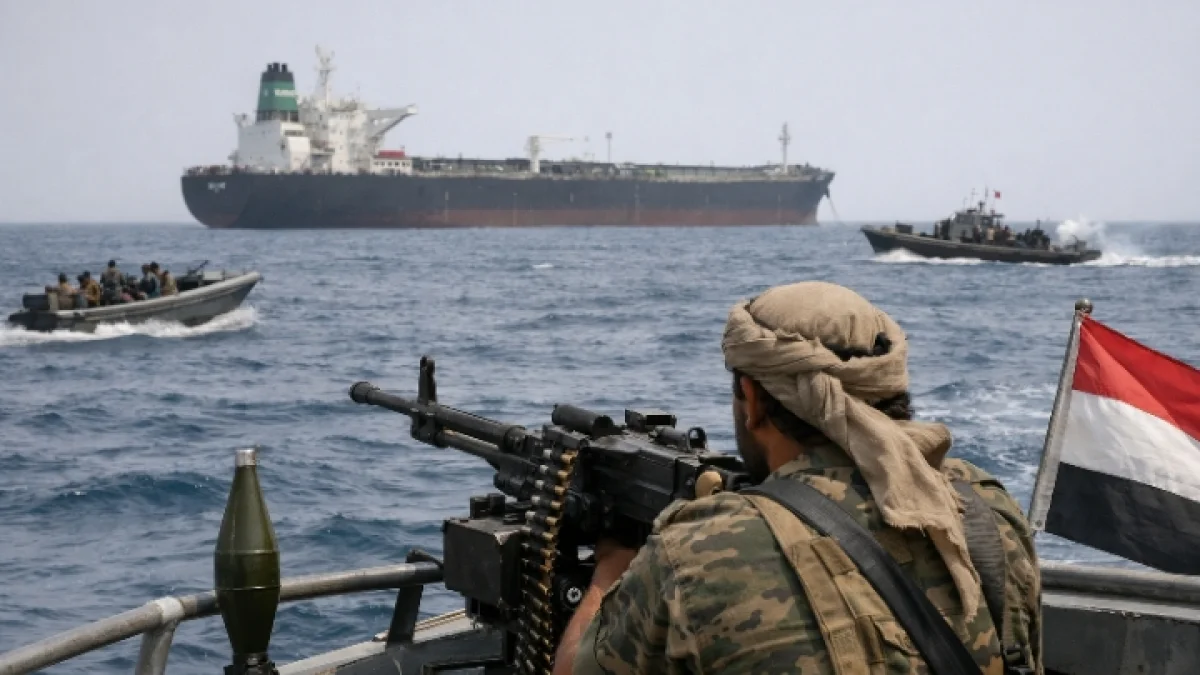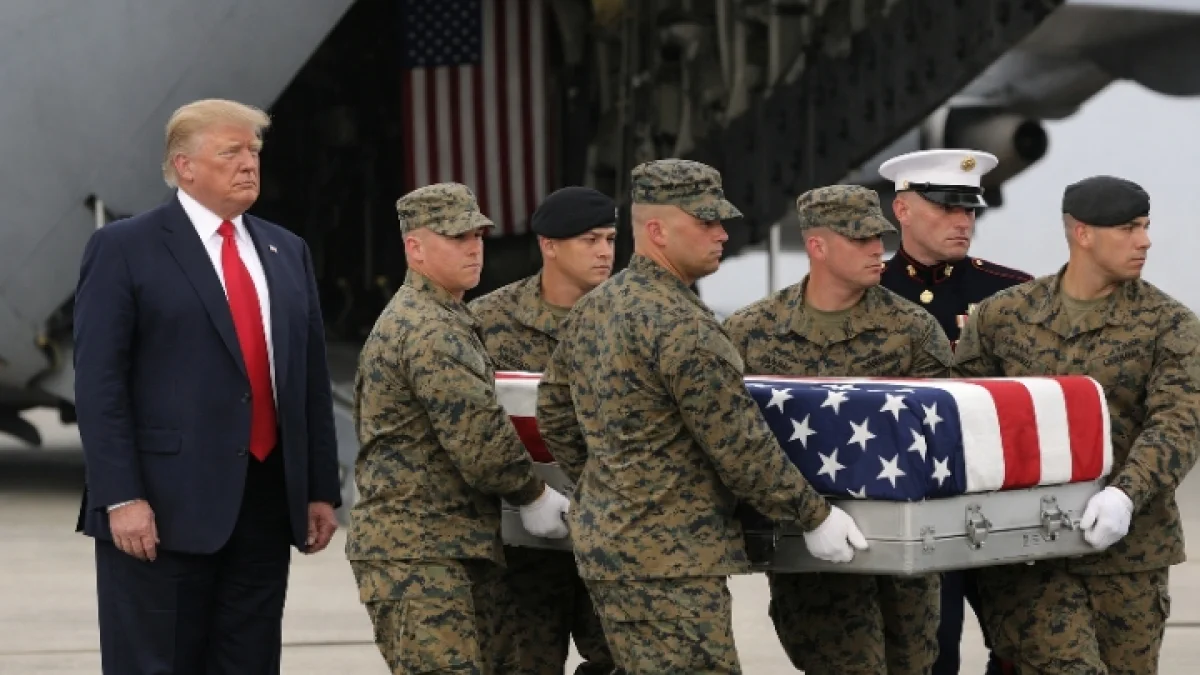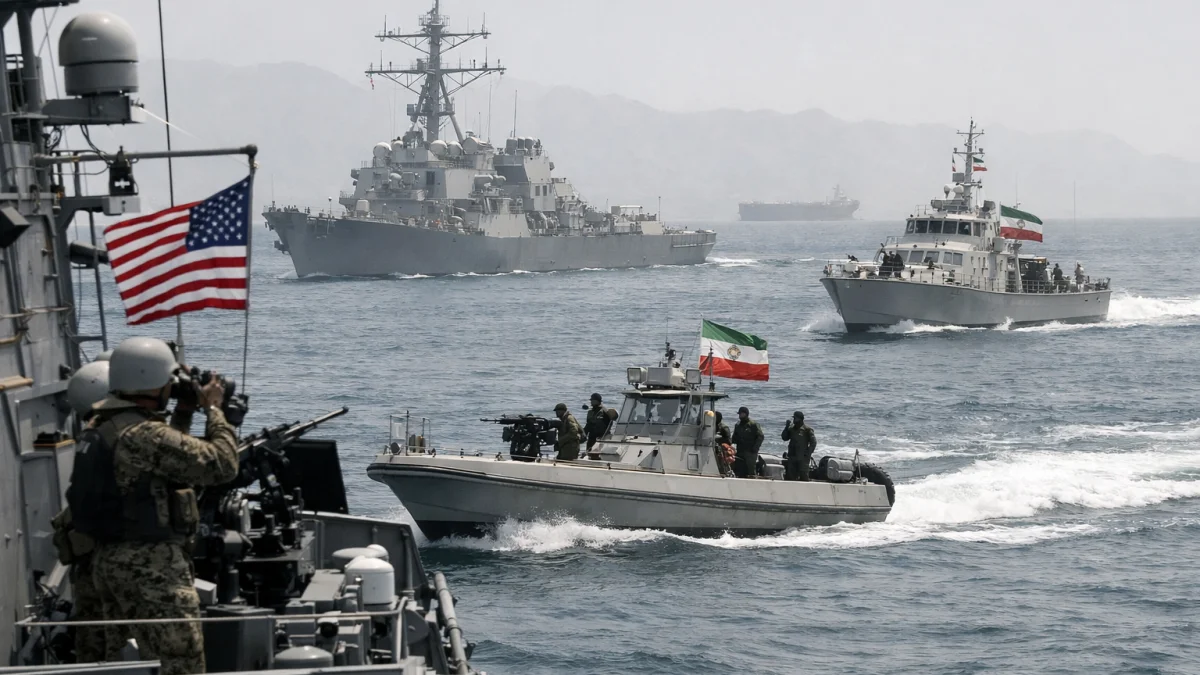
The latest escalation between the United States and Iran has shifted the Strait of Hormuz back to the center of global security concerns, with renewed U.S. military strikes, Iranian attacks targeting commercial shipping and regional military facilities, and competing claims over control of one of the world's most strategically important waterways. The breakdown of a short-lived ceasefire has transformed what had been a contained confrontation into a broader contest over freedom of navigation, regional deterrence, and energy security.
The significance of the latest developments extends beyond the immediate military exchanges. The Strait of Hormuz carries a substantial share of globally traded crude oil and liquefied natural gas, making its security a matter of international economic importance rather than solely a regional dispute. While previous periods of tension have produced threats to close the strait, the current confrontation has been accompanied by repeated attacks on shipping, expanded military operations, and growing disruptions to maritime traffic, increasing concerns among governments, shipping companies, insurers, and energy markets.
According to U.S. Central Command, recent strikes have been directed at degrading Iran's military capabilities, including assets that Washington says have been used to threaten commercial shipping and U.S. forces in the Gulf. Iran, meanwhile, has presented its military actions as a response to U.S. operations and has maintained that it possesses authority over navigation through the strait under its interpretation of recent diplomatic understandings. Those competing legal and political interpretations have become a central driver of the renewed confrontation.
The dispute reflects broader strategic calculations on both sides. For Washington, maintaining freedom of navigation through the Strait of Hormuz has long been considered essential to international commerce and regional stability. Successive U.S. administrations have viewed any attempt to restrict commercial transit as a challenge to international maritime norms. The renewed deployment of naval forces and continued air operations demonstrate that protecting maritime traffic remains a central objective of U.S. regional strategy.
For Iran, the strait represents both a strategic deterrent and a source of leverage. Iranian officials have historically argued that external military pressure justifies stronger security measures in surrounding waters. Although Tehran has periodically threatened to restrict shipping during previous crises, analysts note that even limited attacks or uncertainty can significantly reduce commercial traffic by increasing insurance costs, rerouting vessels, and raising operational risks without requiring a complete closure of the waterway.
The broader regional implications have also become more pronounced. Iranian missile and drone attacks have reportedly extended beyond direct U.S. targets to include facilities and military installations in several Gulf states, prompting defensive interceptions and increasing pressure on regional governments seeking to avoid deeper involvement in the conflict. These developments illustrate how rapidly bilateral confrontation can expand into a wider regional security challenge involving multiple partners and military alliances.
Economic consequences have emerged alongside the military escalation. Shipping activity through the Strait of Hormuz has declined as operators reassess operational risks, while energy markets have become increasingly sensitive to any indication of further disruption. Market analysts generally note that sustained uncertainty, rather than an outright closure of the strait, can itself generate higher transportation costs, insurance premiums, and commodity price volatility. Such effects extend beyond oil-importing countries to global supply chains that depend on reliable maritime transport.
The current crisis also highlights the limits of recent diplomatic efforts. A temporary understanding intended to reduce hostilities has unraveled amid competing interpretations regarding maritime access and reciprocal military obligations. Official statements from both governments indicate that neither side accepts the other's interpretation of those arrangements, leaving diplomacy increasingly difficult even as military operations continue.
Historical experience suggests that periods of heightened tension in the Strait of Hormuz have rarely produced prolonged closures, largely because of the substantial economic costs to all parties involved and the international interest in preserving maritime commerce. Nevertheless, previous crises demonstrate that repeated attacks, even if limited in scale, can have disproportionate strategic and economic consequences by undermining confidence in the security of commercial shipping.
The confirmed situation remains fluid. U.S. forces continue military operations aimed at what Washington describes as protecting regional security and commercial navigation, while Iran has maintained retaliatory military actions and continues to assert its position regarding the strait. Governments, shipping companies, and international energy markets are closely monitoring maritime traffic, military deployments, diplomatic contacts, and official statements for indications of either further escalation or renewed efforts to stabilize one of the world's most strategically significant waterways.