New ceasefire proposals backed by regional mediators have emerged as the United States and Iran continue exchanging military strikes, underscoring the widening gap between diplomatic efforts to contain the conflict and developments on the battlefield. According to officials familiar with the mediation, Qatar, Oman, Egypt and Pakistan have promoted a proposal for a 10-day ceasefire designed to halt hostilities and create space for broader negotiations, even as both sides continue military operations and neither has publicly committed to accepting the initiative.
The latest diplomatic push matters because it reflects growing concern that the conflict is becoming increasingly difficult to contain. The renewed violence follows the collapse of an earlier ceasefire framework reached in June, illustrating how fragile previous understandings have proven amid unresolved disputes over maritime security, sanctions and broader regional security arrangements. While mediation channels remain active, military developments continue to shape the negotiating environment, with each side appearing reluctant to enter talks from what it views as a weakened position.
The central obstacle remains the Strait of Hormuz, one of the world's most strategically significant maritime chokepoints. The waterway carries a substantial share of globally traded crude oil and liquefied natural gas, making any disruption an issue extending well beyond the Gulf. Washington has repeatedly emphasized freedom of navigation, while Iranian officials have continued to portray control over the strait as a core national security interest. That dispute has become intertwined with wider disagreements over sanctions, regional military deployments and Iran's strategic capabilities, making a limited ceasefire difficult to separate from broader negotiations.
The current proposals reportedly seek to reduce immediate military risks without attempting to resolve those larger disputes. According to officials cited by Reuters, mediators envision a temporary halt in hostilities alongside commitments intended to reduce threats to commercial shipping before wider negotiations resume. Such sequencing reflects a familiar diplomatic approach in regional crises: first stabilize military conditions, then attempt negotiations on the underlying political disagreements. Whether either side believes such an approach serves its interests remains uncertain.
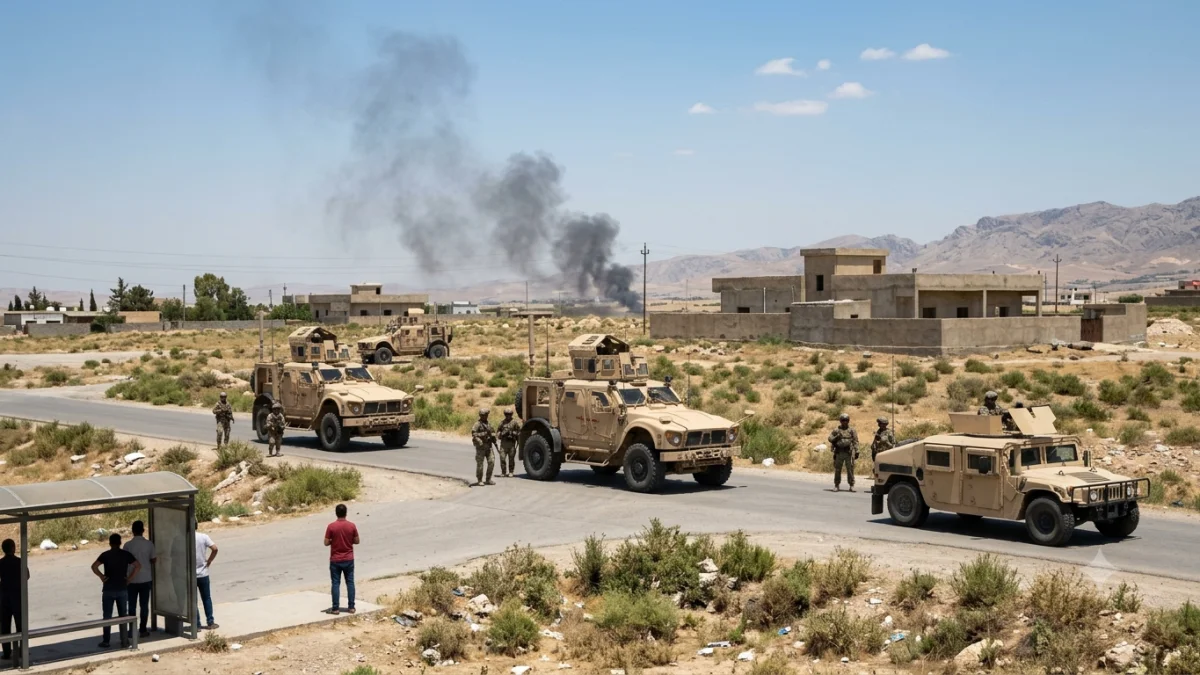
Military developments continue to complicate diplomacy. Recent Iranian strikes against U.S. positions and continued American air operations have reinforced mutual distrust while increasing domestic political pressures on both governments. Analysts note that every additional exchange raises the risk of miscalculation, particularly if attacks expand geographically or produce significant casualties. Even when both governments publicly state they remain open to diplomacy, ongoing military operations reduce confidence that negotiations can produce durable outcomes without stronger enforcement mechanisms.
Regional governments also have strong incentives to prevent further escalation. Gulf states face direct security risks from expanded military operations, while countries acting as mediators seek to preserve regional stability and safeguard commercial shipping. Their involvement reflects an assessment that prolonged confrontation could broaden beyond bilateral U.S.-Iran tensions and affect neighboring states through missile attacks, proxy activity or maritime disruptions. Previous rounds of mediation have demonstrated that regional actors can facilitate communication, but they have not eliminated the structural disagreements driving the conflict.
The economic implications remain significant. Energy markets have reacted to each shift in the conflict, with oil prices remaining sensitive to reports of military escalation or diplomatic progress. Prices briefly eased after reports of a proposed ceasefire before recovering amid renewed security concerns and threats to shipping elsewhere in the region. Market participants continue to monitor not only direct developments in the Strait of Hormuz but also related maritime risks involving the Red Sea and other strategic trade routes.
The United Nations has continued urging restraint, warning that recent military exchanges demonstrate the fragility of earlier de-escalation efforts. UN officials have argued that preserving diplomatic channels remains essential even when ceasefire arrangements come under strain, reflecting concerns that renewed confrontation could produce broader regional consequences beyond the immediate military balance.
Historical experience suggests that temporary ceasefires between adversaries with unresolved strategic disputes often function less as settlements than as opportunities to reduce immediate military pressure. Analysts note that successful agreements typically require sustained political engagement, credible monitoring mechanisms and sufficient incentives for both sides to comply. Without progress on the underlying disagreements over maritime security, sanctions and regional influence, temporary pauses may remain vulnerable to renewed confrontation.
For now, the confirmed picture is one of parallel diplomacy and conflict. Regional mediators continue promoting a temporary ceasefire, while U.S. and Iranian forces remain engaged in military operations and officials on both sides maintain differing conditions for future negotiations. Governments, international organizations and energy markets are closely monitoring whether mediation efforts can produce even a limited reduction in hostilities, while the broader political disputes that have fueled the conflict remain unresolved.