LOS ANGELES—Urban authorities in several major cities are expanding traffic management measures and public transportation services to accommodate large gatherings, reflecting a broader effort to reduce congestion and improve public safety as international sporting events, festivals and official visits draw increased crowds during 2026.
In Los Angeles, transportation officials have used the FIFA World Cup as a large-scale test of mobility plans for the 2028 Olympic Games, encouraging spectators to travel by rail and shuttle buses instead of private vehicles. The Los Angeles County Metropolitan Transportation Authority said it added shuttle services connecting transit stations with venues, while officials promoted park-and-ride options and increased staffing to manage passenger flows.
Metro officials said tens of thousands of spectators used rail and shuttle services during World Cup matches, with the agency describing the event as an opportunity to evaluate operational procedures for future international gatherings. Authorities also reported continued efforts to improve station safety and passenger services.
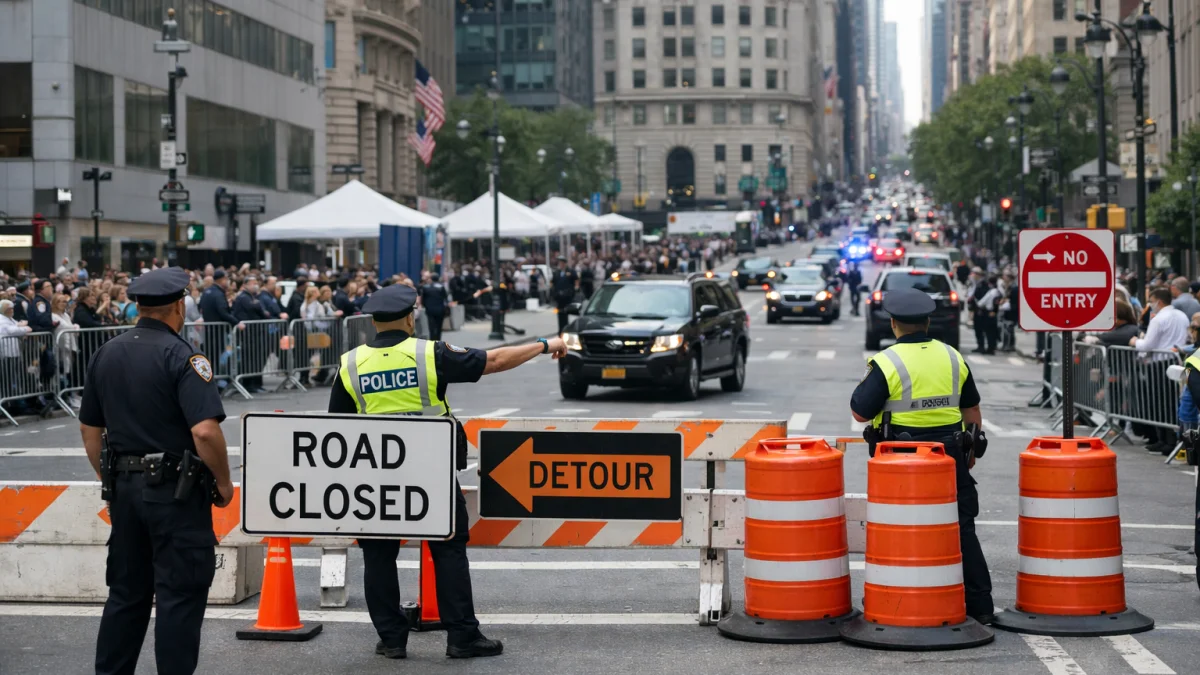
Other cities have adopted similar approaches ahead of high-profile events. In Jakarta, the city's transportation agency introduced temporary traffic diversions, alternative routes and additional personnel during major public events, including international marathons, large cultural celebrations and official state visits. Officials said the measures were designed to maintain mobility while protecting participants and road users.
Police in the Indonesian capital also implemented temporary road controls during recent visits by foreign leaders, saying closures would be applied only while official motorcades passed through designated routes before traffic resumed. Authorities urged motorists to adjust travel plans and follow directions from officers on the ground.
The emphasis on advance planning follows transportation challenges experienced elsewhere. In San Francisco, officials acknowledged shortcomings after severe congestion followed the city's Independence Day celebrations, prompting reviews of event planning, transit coordination and traffic management. Mayor Daniel Lurie described the disruptions as unacceptable and said city agencies would strengthen preparations for future large-scale events. The San Francisco Municipal Transportation Agency also apologized and pledged improvements.
Transportation experts have long said temporary road closures, expanded public transit, real-time traveler information and coordinated traffic management are among the most effective tools for limiting disruption during major gatherings. Cities hosting international events increasingly view such operations as opportunities to refine emergency response, crowd management and long-term mobility strategies.
Authorities in the affected cities have continued advising residents and visitors to monitor official traffic updates, use public transportation where practical and allow additional travel time while temporary traffic measures remain in effect.