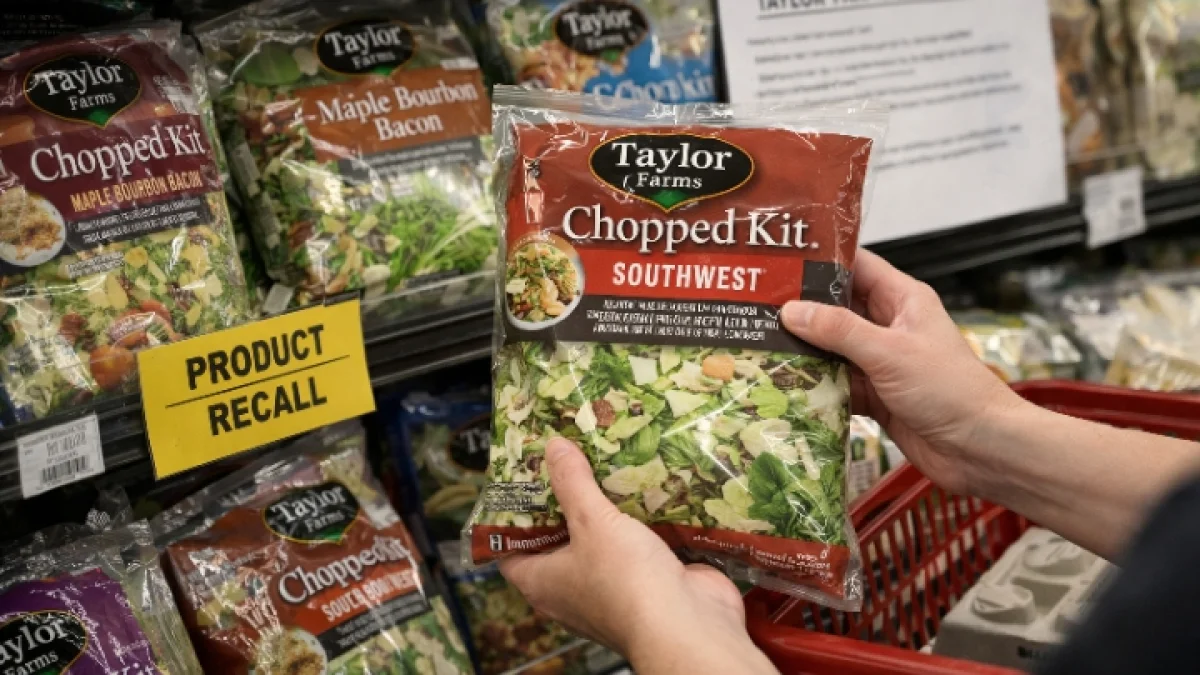
WASHINGTON — U.S. health officials and consumer advocates are facing renewed scrutiny over food safety communications after a multistate Cyclospora outbreak linked through epidemiological evidence to Taylor Farms lettuce prompted confusion about a voluntary recall, despite federal regulators maintaining that the precautionary action remains warranted.
The U.S. Food and Drug Administration (FDA) said it had determined that an earlier laboratory result indicating the Cyclospora parasite had been detected in a sample of shredded iceberg lettuce supplied by Taylor Farms was a false positive. However, the agency said its traceback investigation and outbreak data continued to point to shredded iceberg lettuce sourced from Taylor Farms operations in central Mexico as the likely vehicle of infection and supported the company's voluntary recall.
The episode drew criticism from food safety experts and consumer advocates, who said conflicting public messages risked undermining confidence in recall notices and left consumers uncertain about which products should be discarded. Questions also arose over the level of detail initially provided about affected products and distribution channels.
Taylor Farms has said it is cooperating with the FDA's investigation and voluntarily recalled iceberg lettuce sourced from central Mexico that was distributed to food-service customers and certain retail outlets in 27 states. The recall also covered selected Marketside-branded products sold through Walmart stores. Consumers were advised not to eat the affected products and to dispose of them or return them to the place of purchase.
The FDA said the revised laboratory finding did not invalidate the broader investigation because outbreak investigators rely on multiple lines of evidence, including patient interviews, purchase histories and product traceback data, in addition to laboratory testing. The agency said the epidemiological evidence linking the recalled lettuce remained strong.
Cyclospora is a microscopic parasite that causes cyclosporiasis, an intestinal illness marked by prolonged diarrhea, stomach cramps, nausea and fatigue. Symptoms typically develop several days after consuming contaminated food, and treatment often requires prescription antibiotics. Fresh produce has been implicated in previous U.S. outbreaks.
Federal and state health authorities continue to investigate the outbreak's source and scope. The FDA said product testing and traceback work remain ongoing and urged consumers to continue following recall guidance while the investigation proceeds.